Health & Wellness
Cat Urinary Health: Warning Signs, Common Causes, and Prevention
Learn the warning signs of urinary problems in cats, what causes them, when to call the vet immediately, and daily habits that help keep your cat's urinary t...
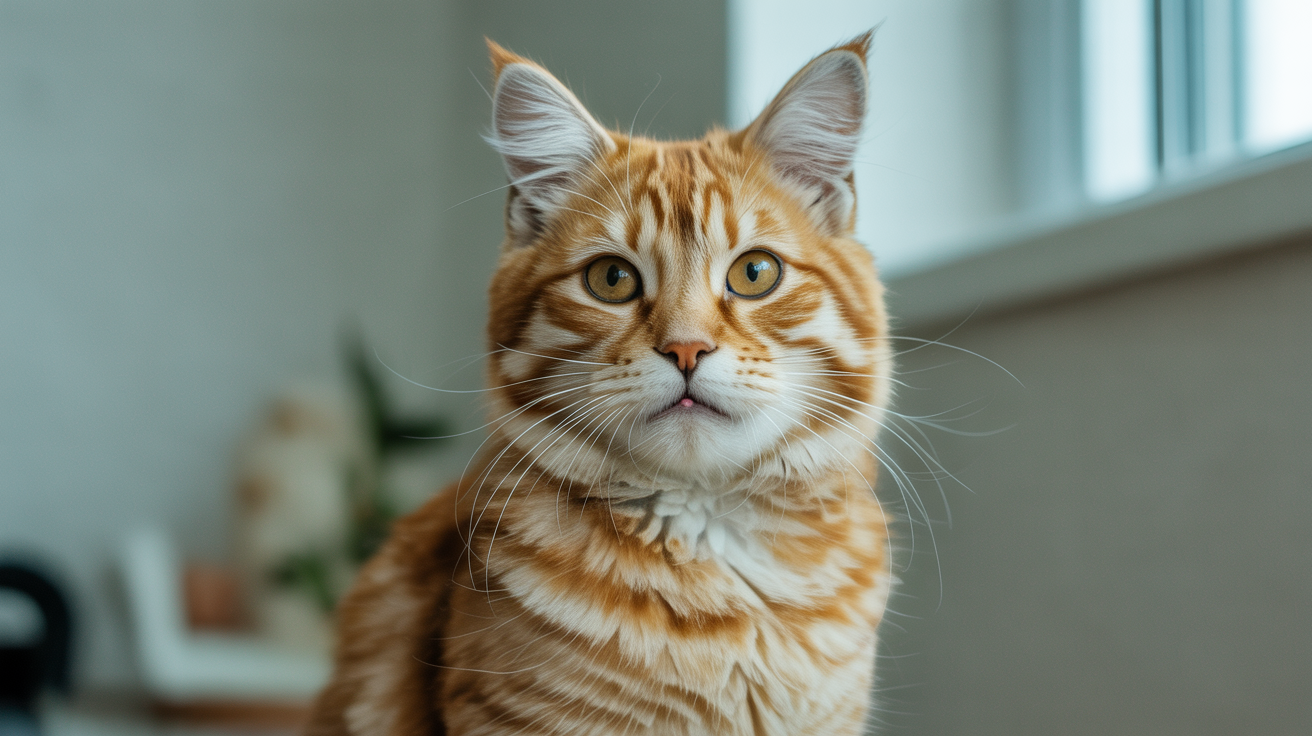
Urinary problems rank among the most common health issues vets see in cats, and they can escalate quickly. A cat who seems to be having litter box trouble one afternoon can be in genuine distress by morning. Understanding what to look for, why these problems happen, and what you can do at home makes a real difference, both in catching issues early and in preventing many of them altogether.
This guide covers the warning signs worth acting on, the most common underlying causes, and practical habits that support urinary health over the long run.
Warning Signs That Something Is Wrong
Cats are quiet about discomfort. By the time a urinary problem becomes obvious, it has often been brewing for a day or two. These are the signs to take seriously:
Straining in the litter box. A cat squatting for a long time and producing little or nothing is not constipated unless you have ruled out a urinary cause. Straining to urinate, especially when it produces nothing at all, is a medical situation that needs prompt attention.
Crying or vocalizing in the box. Cats do not normally make noise while using the litter box. Crying, yowling, or growling while attempting to go signals pain.
Blood-tinged urine. Urine that looks pink, red, or brownish is not something to take a wait-and-see approach with. Small amounts of blood are easy to miss on clumping litter, so keep an eye out for any discoloration.
Going outside the litter box. A cat who suddenly starts urinating on cool surfaces like tile or in the bathtub may be associating the box with pain and trying somewhere new. This is a behavior signal worth investigating, not just correcting.
Frequent trips with small output. Visiting the box every few minutes and producing only a few drops each time indicates irritation or obstruction.
Licking at the genital area. Excessive grooming around the lower belly or urethral opening can point to local discomfort.
Lethargy, loss of appetite, or vomiting alongside litter box changes. These systemic signs, combined with any of the above, make the situation more urgent. For a broader overview of when symptoms cross into call-the-vet territory, see signs your cat is sick and when to call the vet.
Common Causes of Urinary Problems in Cats
Several different conditions can affect the urinary tract in cats. A vet visit and sometimes lab work are needed to determine which one is at play, since the treatment varies considerably.
Feline Lower Urinary Tract Disease (FLUTD). This is an umbrella term covering conditions that affect the bladder and urethra. FLUTD includes infections, inflammation without an obvious infection, bladder stones, and urethral plugs. Indoor cats, cats on dry-food-only diets, and cats in stressful environments tend to show higher rates of these issues.
Idiopathic cystitis. In many cats with FLUTD, no bacteria, stones, or structural cause can be found. Stress plays a central role in these cases. Changes to the home, new animals, construction noise, shifts in the owner's schedule, or anything that disrupts the cat's sense of routine can trigger a flare.
Urinary tract infections. Bacterial UTIs are less common in cats than in dogs, but they do occur, particularly in older females and in cats with underlying conditions like diabetes or kidney disease. A culture of the urine is needed to confirm an infection and identify the right treatment.
Bladder or kidney stones. Mineral crystals can clump together over time into stones that irritate the bladder lining or, in severe cases, block the urethra. Diet and urine pH both play a role in whether crystals form.
Urethral plugs. More common in male cats due to their narrower urethra, plugs are soft masses made of mucus, crystals, cells, and proteins. They can cause a partial or complete blockage and are a veterinary emergency.
Anatomy. Male cats have a longer, narrower urethra than females, which makes them significantly more vulnerable to life-threatening blockages. This anatomical reality is why a male cat straining to urinate deserves faster action than in other scenarios.
When to Treat It as an Emergency
Most urinary problems need a vet, but one specific scenario needs emergency care without delay.
A male cat who is straining to urinate and producing nothing at all may have a complete urethral blockage. The bladder fills, cannot empty, and begins to back up toxins into the bloodstream. This progression can become fatal within 24 to 48 hours if left untreated. There is no safe window for a wait-and-see approach.
Call an emergency vet immediately if your male cat:
- Has been straining with no urine output for more than a few hours
- Is crying out or in obvious pain
- Seems lethargic, wobbly, or unresponsive
- Is vomiting alongside litter box straining
Female cats can also develop serious conditions, but complete blockages are rare in them. Any cat, regardless of sex, who shows straining combined with vomiting, lethargy, or refusal to eat should be seen the same day.
For general guidance on when a symptom crosses into emergency territory, the article on signs your cat is sick and when to call the vet covers a broader range of scenarios.
Daily Habits That Lower the Risk
You cannot prevent every urinary problem, but several practical habits meaningfully reduce the odds, particularly for cats prone to stress-related flares or crystal formation.
Increase water intake. Cats evolved in arid environments and have a naturally low thirst drive. Many cats do not drink enough when their only water source is a still bowl next to their food. Dilute urine is far less likely to form crystals and is gentler on an already-irritated bladder. Read more about how much water your cat needs and how to encourage drinking for practical strategies.
Consider a water fountain. Moving water attracts many cats who ignore a bowl. A fountain also keeps water aerated and cooler, which appeals to cats' instinct to seek out fresh sources. If your cat currently drinks very little, a fountain is one of the higher-impact changes you can make. See cat water fountains vs bowls: which is better for a comparison.
Feed wet food or add moisture to meals. Cats who eat wet food get a significant portion of their daily water through their food. This matters for urinary health. If your cat currently eats dry food exclusively, adding wet food to some meals, or even adding a small amount of water to dry kibble, can increase overall hydration. The article on wet vs dry cat food: how to choose covers the trade-offs in detail.
Keep the litter box clean. Cats are more likely to hold their urine if the box is dirty, and reduced litter box use means less frequent voiding, which concentrates the urine. Scoop at least once a day and replace litter regularly.
Provide multiple boxes. The general rule is one box per cat plus one extra. A cat who avoids one box, for any reason, should have an easy alternative rather than holding it.
Reduce environmental stress. Stress-related cystitis flares in response to what the cat experiences as a threat or unpredictability. Predictable feeding schedules, vertical spaces to retreat to, multiple resting spots, and keeping household changes gradual where possible all support a calmer baseline for stress-prone cats.
Schedule regular vet checkups. Urinary problems caught early, before a cat is visibly distressed, are easier to treat. Annual exams and urine testing in cats over seven years old can identify crystal formation or pH imbalances before they become acute.
Frequently Asked Questions
Can cats get urinary tract infections the same way dogs do?
They can, but bacterial UTIs are much less common in cats than in dogs. When a cat shows urinary symptoms, there is a good chance the cause is inflammatory rather than bacterial, which is why a vet will typically run a urinalysis and possibly a culture before prescribing antibiotics. Treating a non-bacterial cause with antibiotics is not helpful and can contribute to resistance.
My cat used the box fine this morning but is straining tonight. How long can I wait?
For a female cat with mild straining and some urine output, calling your vet in the morning is reasonable if she is otherwise acting normally. For a male cat with straining and no urine output, or any cat who seems in pain, vomiting, or lethargic, call an emergency vet that evening. Do not wait until morning.
Does stress really cause urinary problems?
Yes. Feline idiopathic cystitis, one of the most common urinary diagnoses in cats, is strongly associated with stress. Studies in cats have found that stressful events in the home often precede flares. This does not mean the pain is not real. The inflammation is real, but the trigger is often environmental rather than infectious.
My cat was treated for a UTI before. Is it likely to come back?
It depends on the underlying cause. If a bacterial infection was confirmed and treated appropriately, recurrence is possible but not guaranteed. If the diagnosis was idiopathic cystitis, flares often recur, particularly during stressful periods. Dietary changes, increased hydration, and stress reduction between episodes can lower the frequency.
Are some cats more prone to urinary problems than others?
Male cats are at higher risk for blockages due to anatomy. Indoor-only cats and overweight cats appear at higher risk for FLUTD generally. Middle-aged cats show higher rates than very young or very old cats, though older cats are more likely to develop bacterial infections or stone-related issues. If your cat has already had a urinary episode, your vet may recommend dietary changes or monitoring to reduce recurrence.