Health & Wellness
Signs Your Cat Is Sick and When to Call the Vet
Learn to spot the early signs your cat is sick, from subtle behavior changes to genuine emergencies, and know exactly when to call the vet.
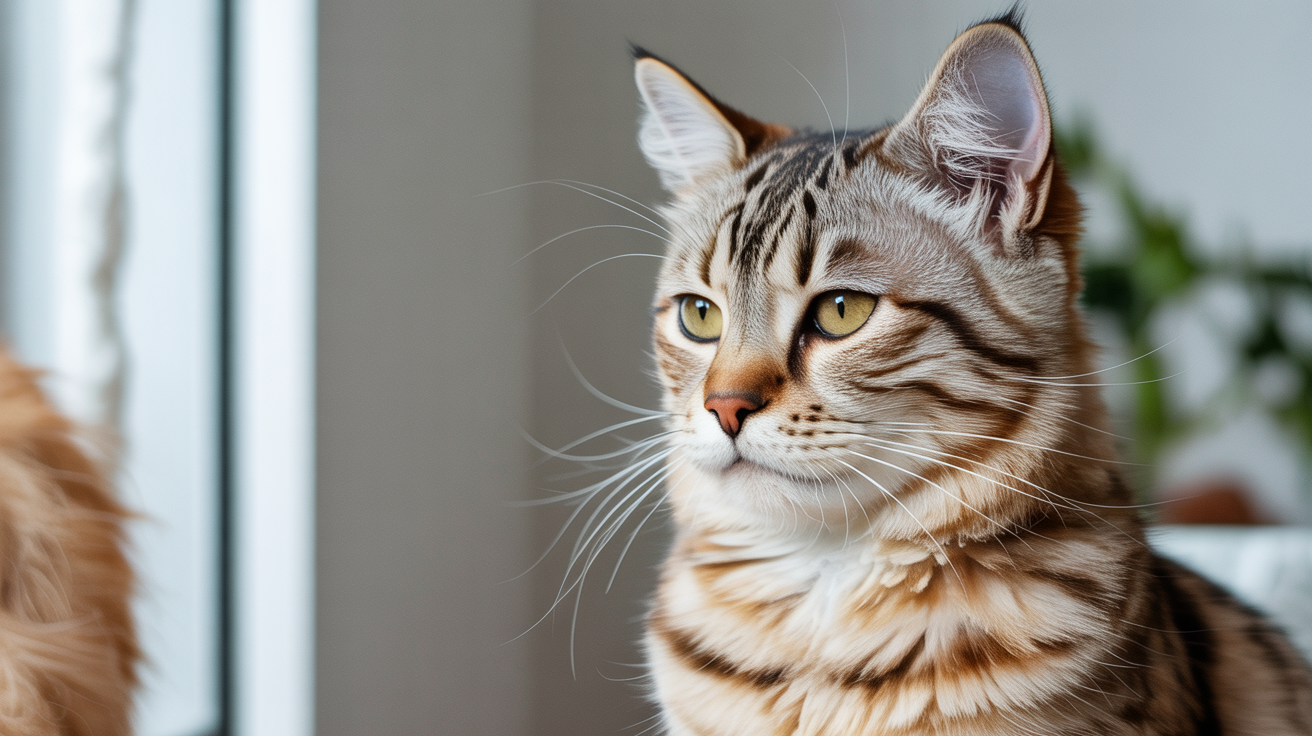
Cats are famously good at hiding illness. By the time something looks obviously wrong, the problem has often been building for days. Knowing what "off" looks like for your specific cat is one of the most useful things you can do as an owner. Here's how to read the signals, from mild to urgent.
Early warning signs that are easy to miss
Most sick cats don't lie down dramatically and refuse to move. They just seem slightly less themselves. Watch for:
- Eating less than usual for more than 24 hours. A cat that skips one meal might be picky or stressed. Two missed meals, especially combined with anything else on this list, warrants attention.
- Drinking noticeably more or less water. Both directions matter. Increased thirst can point to kidney disease or diabetes; decreased intake can signal nausea or dehydration.
- Changes in litter box habits. Urinating outside the box, straining, producing very little or very dark urine, or skipping the box entirely are all red flags.
- Coat looking dull or unkempt. Cats groom constantly when they feel okay. A greasy or matted coat, or patches of over-grooming, often reflects pain or malaise.
- Subtle changes in posture. A cat that hunches its back, sits with its elbows splayed, or tucks its feet tightly underneath itself may be protecting a sore abdomen.
None of these alone are a crisis, but any one of them combined with a second symptom is your signal to call the vet rather than wait and see.
Lethargy in cats: what normal tiredness looks like versus a problem
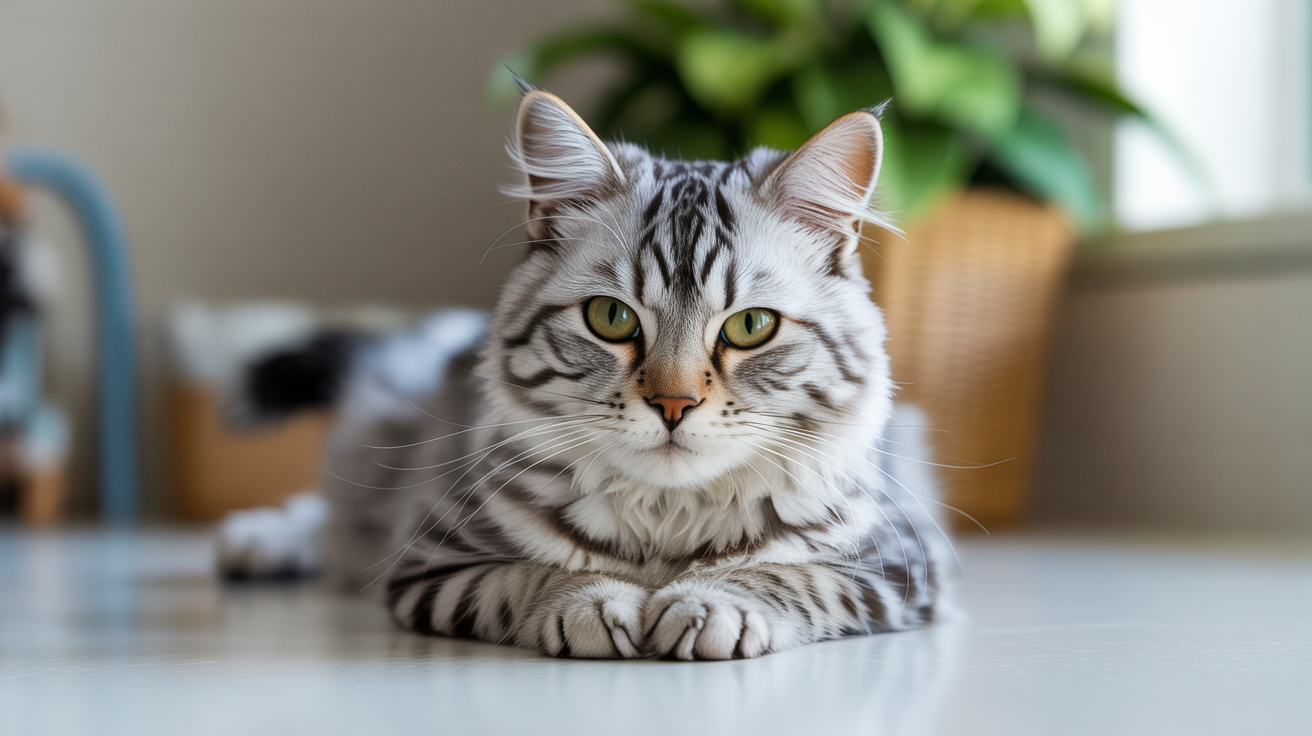
Cats sleep 12 to 16 hours a day, sometimes more. Pure sleep isn't the issue. The concern is a cat that's awake but disengaged: not greeting you at the door, not responding to sounds that normally excite it, lying in an unusual spot (especially somewhere cool and dark), or simply staring blankly when it would normally be alert.
Lethargy paired with any of the following moves it into "call today" territory:
- Not eating for more than 24 hours
- Hiding consistently for more than a day
- Breathing that looks labored or faster than usual
- Gums that look pale, white, blue, or bright red instead of the normal bubble-gum pink
- Obvious pain when touched
A single afternoon of unusual tiredness after a busy morning of play is usually nothing. Persistent lethargy across a full day, especially in a cat that's also off its food, is not something to wait out.
Cat emergency signs: when to go to the emergency vet now
Some symptoms can't wait for a weekday appointment. Go to an emergency clinic immediately if your cat shows any of these:
| Symptom | Why it's urgent |
|---|---|
| Open-mouth breathing or panting | Cats almost never breathe this way unless something is seriously wrong (heart, lungs, extreme stress) |
| Straining to urinate with no output | Urinary blockage; fatal within 24-48 hours if untreated |
| Sudden hind-leg weakness or paralysis | Can indicate a blood clot (aortic thromboembolism) |
| Seizures | Many possible causes, all need immediate evaluation |
| Unresponsiveness or collapse | Self-explanatory |
| Pale, white, blue, or yellow gums | Signals shock, anemia, jaundice, or heart/lung failure |
| Severe vomiting or blood in vomit | Especially if repeated more than 3-4 times in a few hours |
| Known ingestion of a toxin | Lilies, xylitol, certain medications, don't wait for symptoms |
If you're not sure whether something is an emergency, call the clinic and describe what you're seeing. They will tell you. Do not feel embarrassed calling at 2 a.m. over something that turns out to be minor; that's what emergency vets are there for.
When a cat isn't eating: how long is too long
A healthy adult cat can technically survive several days without food, but that timeline is misleading. After 24 to 48 hours without eating, cats begin breaking down fat stores in a way that can cause hepatic lipidosis (fatty liver disease), which is a serious and potentially fatal condition. Kittens, senior cats, and cats with existing health issues can tip into this much faster.
The practical rule: if your cat hasn't eaten anything in 24 hours and you can't identify an obvious, temporary reason (a stressful move, a new pet in the house), call your vet. If it's been 48 hours, that's same-day care. This is one situation where being too cautious is always the right call.
A cat refusing only its dry food but accepting a little wet food, a treat, or some tuna water is different from a cat that won't touch anything. The former is worth monitoring; the latter is a vet call.
Keeping up with core vaccines matters here too, because some of the illnesses that cause appetite loss (like calicivirus or panleukopenia) are preventable. An unvaccinated cat that stops eating suddenly has a broader list of serious possibilities.
Common illnesses and what they look like at home
You don't need to diagnose your cat, but recognizing patterns helps you describe things clearly to your vet.
Upper respiratory infection
Sneezing, watery eyes, nasal discharge, and sometimes a low-grade fever. Many cats look miserable but recover in 7 to 10 days with supportive care. If your cat stops eating or develops thick green or yellow discharge, that's when medication usually becomes necessary.
Kidney disease
Tends to show up gradually: more water consumption, more urination, weight loss over weeks or months, occasional vomiting. Very common in older cats. Bloodwork is the only way to confirm it.
Dental pain
Cats with tooth resorption or periodontal disease often drop food while eating, chew on one side, paw at their face, or avoid hard kibble. The mouth is easy to overlook because most cats resist having it examined at home. If your cat's eating has changed and nothing else is obviously wrong, the teeth are worth checking. Good at-home dental care from a young age can help prevent a lot of this.
Parasites
Weight loss despite a normal appetite, visible rice-like segments near the tail, or a pot-bellied appearance in kittens are classic signs. Staying current on flea, tick, and worm prevention is the straightforward way to avoid most of these, but cats that go outdoors or hunt are always at some risk regardless.
Frequently asked questions
How do I know if my cat is in pain?
Cats in pain tend to hide, guard the affected area, tense up when touched, stop grooming, and sometimes vocalize (though many stay completely silent). A pain grimace scale for cats does exist and has been validated in research settings: it scores things like ear position, orbital tightening, and muzzle tension. In practice, the clearest home signal is a cat that suddenly reacts to being touched somewhere it previously didn't mind.
My cat vomited once. Is that an emergency?
Usually not. Cats vomit occasionally, and a single episode of clear or foamy liquid, a hairball, or undigested food in an otherwise normal cat is rarely serious. Watch for repeat vomiting within a few hours, blood in the vomit, or vomiting combined with lethargy or refusal to eat. Any of those combinations moves it to "call the vet today."
Can stress make a cat seem sick?
Yes. Stress-related illness in cats is real. Moving, new animals, construction noise, changes in schedule, or even a shift in the household's energy level can cause genuine physical symptoms: loose stool, over-grooming, lower urinary tract signs (straining, going outside the box), and appetite changes. The tricky part is that these symptoms overlap with many actual illnesses. If stress is the likely cause but symptoms persist beyond 48 to 72 hours, have a vet rule out an underlying condition before attributing it purely to anxiety.
How often should a healthy cat see a vet?
Once a year for adult cats under 10, twice a year for seniors (10 and older). Bloodwork becomes more important from about 7 years on, because a lot of the conditions that are common in older cats (kidney disease, hyperthyroidism, dental disease) are much easier to manage when caught early.
What if I can't afford emergency vet care?
Be honest with the clinic upfront. Many have payment plan options or can work with you on prioritizing care. CareCredit and Scratchpay are financing options some clinics accept. Some areas have low-cost veterinary clinics or humane society resources. The worst outcome is avoiding care entirely because of cost concerns, a conversation about finances is always better than waiting until things are critical.
This article is general guidance for cat owners and is not a substitute for veterinary advice. If you're worried about your cat's health, contact a licensed vet who can examine them.