Nutrition & Feeding
How Much Water Your Cat Needs and How to Encourage Drinking
Find out how much water a cat should drink daily, why cats skip the bowl, and practical ways to encourage better hydration before dehydration becomes a problem.
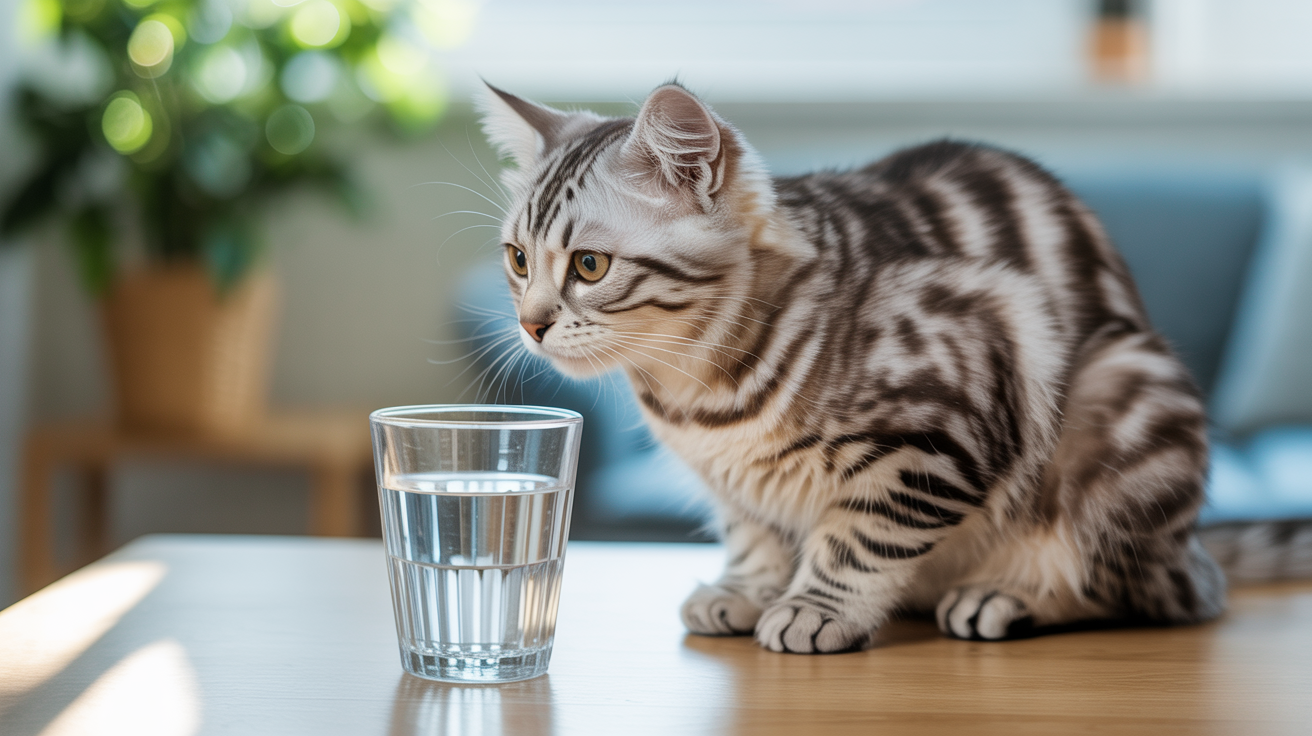
Cats have a reputation for ignoring their water bowls, and it is not entirely unfair. Unlike dogs, cats evolved from desert-dwelling ancestors who obtained most of their moisture from prey rather than standing water. That history shapes how modern cats approach hydration, and it is one reason so many owners notice a cat that barely seems to touch its bowl.
Understanding how much water your cat actually needs, recognizing when intake is low, and knowing a few practical tricks can make a real difference, especially for cats prone to urinary or kidney issues.
How Much Water Should a Cat Drink Each Day
A rough guideline used by many vets is around 60 ml of water per kilogram of body weight per day. For a 4 kg (about 9 lb) cat, that works out to roughly 240 ml, or just under a cup. Lighter cats need less; heavier cats need more.
That said, the number on its own is less useful than it sounds, because a large portion of your cat's daily water intake can come from food rather than the bowl.
A cat eating wet food takes in a significant amount of moisture with every meal, since canned or pouch food is typically 75 to 80 percent water. A cat eating dry kibble, on the other hand, takes in almost no moisture from food, since dry food sits around 10 percent water. This means a kibble-fed cat genuinely needs to drink much more from a bowl to meet the same daily requirement, while a wet-food cat may barely visit the water bowl at all and still be well hydrated.
If you are weighing up food formats, wet vs dry cat food: how to choose covers the trade-offs in more detail, including how moisture content factors in.
Signs of Dehydration in Cats
Mild dehydration can sneak up on a cat before it becomes obvious, so it helps to know what to look for.
The skin tent test is one quick check. Gently pinch a small fold of skin on the scruff of the neck or between the shoulder blades, then let go. In a well-hydrated cat the skin snaps back flat almost immediately. If it holds the fold for a second or two before returning, that is a signal worth paying attention to.
Other cat dehydration signs include:
- Gums that feel dry or tacky instead of slick and moist
- Sunken or dull-looking eyes
- Lethargy or unusual tiredness
- Reduced skin elasticity
- Constipation or noticeably hard, dry stools
- Dark or strong-smelling urine
Mild dehydration from a hot day or a bout of vomiting can often resolve once the cat starts eating and drinking normally again. But if your cat seems persistently lethargic, has not eaten or drunk anything in more than 24 hours, or you notice multiple signs at once, that warrants a vet visit rather than a wait-and-see approach.
A sudden increase in thirst is also worth flagging to a vet. If your cat is drinking noticeably more than usual and you have not changed anything about the diet or environment, it can be an early sign of conditions like diabetes, kidney disease, or hyperthyroidism. More water is not always a good thing.
Why Your Cat Is Not Drinking Water
If your cat is not drinking water from the bowl, the behavior usually has a simple cause once you start looking.
Location matters more than most people expect. Cats instinctively avoid drinking in the same spot where they eat. In the wild, prey animals can contaminate a water source, so cats tend to seek water away from their kill. Placing the bowl directly beside the food dish often means the cat will ignore the water. Try moving it to a different room or at least across the kitchen.
Bowl material and depth can put cats off. Some cats dislike the way plastic bowls retain odors. Others do not like a bowl that is narrow enough to brush their whiskers on the sides, a phenomenon sometimes called whisker fatigue. A wide, shallow ceramic or stainless steel bowl works better for many cats.
Water freshness is a bigger deal than you might think. A bowl that sits undisturbed for a day picks up dust, hair, and bacteria. Cats are sensitive to smell and taste, and many will walk past a stale bowl and go looking for something better, which is why you sometimes find a cat drinking from a dripping tap or a glass you left on the counter.
Stress and change can reduce drinking temporarily. A new pet, a house move, or even rearranged furniture can make a cat more cautious about moving around and visiting its usual spots.
How to Encourage Your Cat to Drink More
Getting a reluctant drinker to take in more water rarely requires any special products, though a few simple changes tend to help consistently.
Add more water sources. Placing two or three bowls in different locations around the home gives a cat options and removes the need to walk past anything that makes it uncomfortable. Cats that live with other cats especially benefit from this, since competition or intimidation at a single bowl can quietly suppress drinking.
Try a cat water fountain. Many cats are drawn to moving water. A small circulating fountain keeps water oxygenated, which makes it taste fresher, and the sound and movement tend to attract curious cats. Fountains need regular cleaning to stay effective, but for cats that ignore still water, they can be a genuine turning point.
Switch to or add wet food. This is the single most reliable way to raise total daily water intake without relying on a cat to drink more. A cat moving from an all-dry diet to a mixed or all-wet diet can double its moisture intake almost overnight. If you are making the shift, how to switch cat foods without an upset stomach has a practical approach for making the change gradually.
Add a small amount of water to wet food. If your cat already eats wet food, stirring in a tablespoon or two of plain water before serving is an easy way to increase intake without any drama.
Use low-sodium broth. A small splash of unsalted chicken or fish broth in the water bowl attracts some cats that would otherwise ignore it. Check the label to confirm there is no onion, garlic, or added salt, all of which are harmful to cats.
Keep bowls clean. Washing water bowls daily with hot water removes the biofilm that builds up and makes water taste flat. This small habit makes a noticeable difference for cats that seem picky about their water.
A Quick Comparison: Hydration by Diet
| Diet type | Moisture from food | Bowl drinking needed |
|---|---|---|
| All wet food | High (75-80%) | Low to minimal |
| Mixed (wet + dry) | Moderate (40-50%) | Moderate |
| All dry kibble | Low (about 10%) | High |
This table is a general guide rather than precise measurement. Every cat is different, and how much to feed a cat by weight and life stage goes into portion sizes and meal structure in more detail, which affects how much moisture cats take in per day.
Frequently Asked Questions
How do I know if my cat is drinking enough water?
The easiest daily check is litter box output. A well-hydrated cat produces urine regularly, and the clumps should be a medium yellow, not dark or very concentrated. If you notice small, infrequent, or very dark clumps, it is worth looking more closely at water intake. Wet food eaters may produce lighter or less frequent clumps, which is normal given the higher moisture in their diet.
Is it bad if my cat only drinks from the tap?
Not inherently. Some cats just prefer running water, and if that is what gets them to drink, it works. The practical downside is that it requires you to run a tap on demand, which is not always convenient. A circulating fountain tends to satisfy the same preference without the inconvenience.
My cat suddenly started drinking a lot more water. Should I be worried?
Increased thirst, especially if it develops over a few weeks rather than on a single hot day, is worth mentioning to a vet. It can be a sign of several conditions that are easier to manage when caught early. Do not wait to see if it resolves on its own.
Do cats need more water in summer?
Yes, broadly. Warm environments increase the rate at which cats lose water through respiration and grooming. Keeping an extra bowl available in warm months, placing one in a cool room, and keeping the water fresh are reasonable adjustments. Cats that spend time outside in summer can become dehydrated faster than indoor cats.
Can I add anything to water to get my cat to drink more?
Plain, unsalted broth is the most commonly used option. A small amount of the liquid from a can of tuna packed in water (not oil, and not brine) also works for some cats. Avoid anything with salt, onion, garlic, or artificial flavoring. These are the practical options worth trying before investing in a fountain or changing the diet.