Behavior & Training
Why Cats Knead With Their Front Paws (And What It Usually Means)
Why do cats knead? The likely answer traces back to kittenhood. Here's what normal kneading looks like and how to handle claws without stopping the habit.
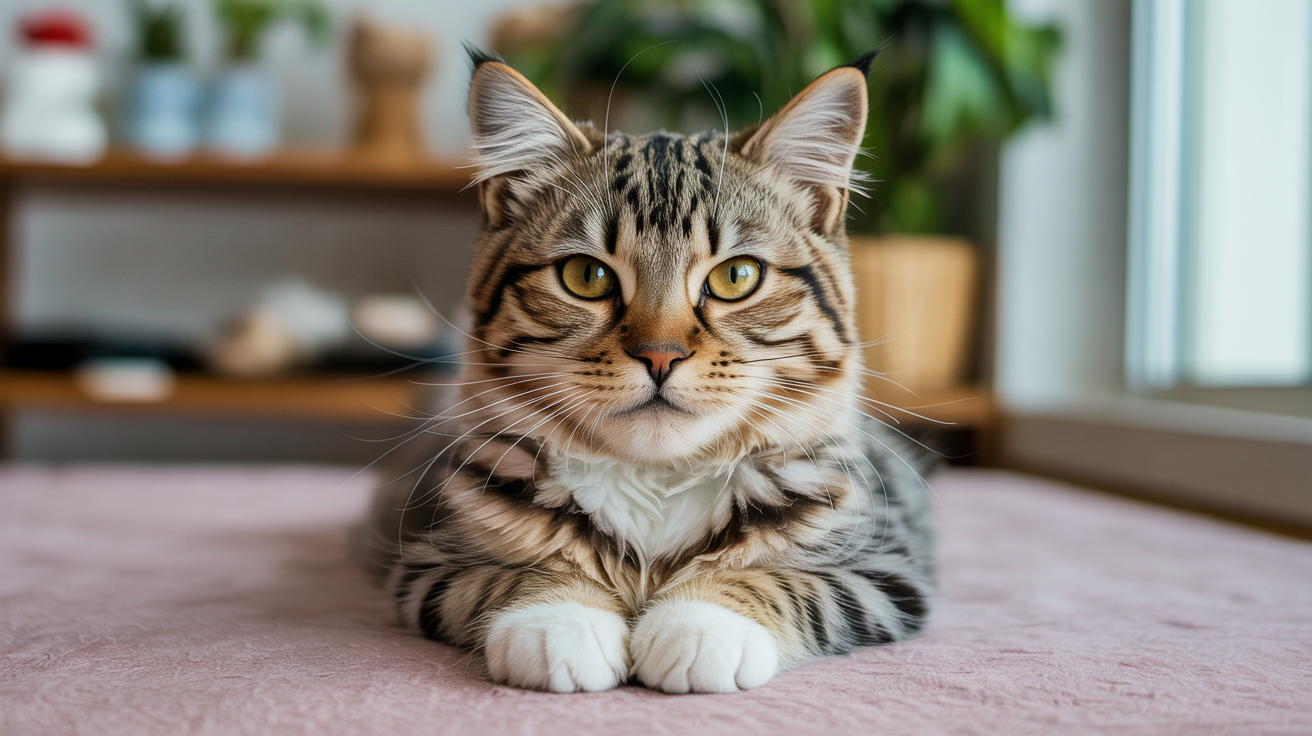
Your cat climbs into your lap, stares at the blanket like it owes her money, and starts pressing her front paws into it in a slow, rhythmic push-push-push. Maybe she's purring. Maybe she's drooling a little. If you've ever wondered why do cats knead, you're not alone, and the honest answer is that nobody has run a controlled study proving it beyond doubt. What we have instead is a leading theory that fits the behavior well and holds up across just about every cat owner's experience.
Why Do Cats Knead? The Nursing Theory
The most widely accepted explanation ties kneading straight back to kittenhood. Nursing kittens knead their mother's belly with their front paws in an alternating rhythm, and the motion stimulates milk flow. It's instinctive from birth, before a kitten's eyes are even fully open, and it works alongside suckling as part of the whole feeding process.
Most cats keep the motion long after they've been weaned, and it tends to show up again in moments that echo the comfort and safety of nursing: a warm lap, a soft blanket, being petted somewhere they like, or settling in for a nap. The idea is that the physical action got wired to a feeling of contentment early on, so it resurfaces whenever an adult cat feels that same sense of ease. It's less an instinct that never turned off and more a comfort habit that started as a survival behavior.
This is also why kneading so often comes bundled with purring, drooling, or a half-closed, blissed-out expression. Kneading and purring meaning tends to travel together because both are signals of the same relaxed state, not two separate things happening to line up by coincidence. A kitten who is nursing contentedly purrs while she kneads. An adult cat curled up on your chest is, in a real sense, doing the grown-up version of the same thing.
Some behaviorists add a second layer: kneading may also be a holdover from wild cat ancestors who pressed down grass or leaves to build a soft nest before lying down. Both explanations can be true at once. A cat kneading blankets before circling twice and flopping down looks a lot like nest-building with extra steps.
What Normal Kneading Looks Like
If you're trying to figure out whether your cat's kneading is typical, the range of normal is wide. Most cats knead:
- On blankets, pillows, or soft bedding before lying down
- On a person's lap, stomach, or chest, often paired with purring
- On soft toys, plush beds, or even a pile of laundry
- With a slow, alternating paw rhythm, sometimes with claws out and sometimes retracted
- Before or during a nap, especially right when they're settling in for the night
Kneading and purring meaning is almost always "I feel safe and comfortable here," so if your cat kneads and then falls asleep on you, that's about as textbook as it gets. Some cats knead for thirty seconds and stop; others go for several minutes, especially cats that were separated from their mother too early. Neither pattern is a problem.
Kitten nursing behavior kneading doesn't always fade cleanly into an adult version, either. Some cats, particularly ones weaned very young, keep a stronger nursing echo for life and might knead and suck on a blanket corner or your sleeve at the same time. It looks a little unusual, but it's a comfort behavior, not a medical issue.
Is Kneading Ever a Sign of Pain or Illness?
Kneading itself is not a symptom to worry about. Where it's worth paying attention is if kneading is new, unusually frantic, or paired with other changes, like a cat who suddenly can't settle, cries while kneading, or is kneading in a way that seems compulsive rather than relaxed. Those combinations are rare, and they'd usually come with other signs too. If something about your cat's kneading feels off compared to their normal pattern, that's a conversation for your vet, not a home diagnosis.
When Claws Come Out: Overstimulation, Not Aggression
The trickier part of kneading for a lot of owners is the claws. A cat deep in a kneading session, especially one on a lap rather than a blanket, will often extend her claws with each push. On denim or a thick blanket that's mildly annoying. On bare skin it can genuinely hurt.
Claws coming out during kneading isn't usually a sign of anger. It's an involuntary part of the motion for a lot of cats, the same way your hand might flex when you stretch. Watch more closely if the kneading escalates: claws digging in harder, faster paw movement, or a sudden nip. That combination points to overstimulation, the same category as a cat who was enjoying being petted and then abruptly isn't. The kneading started as contentment and tipped into something more intense than she can easily downshift from on her own.
Tail flicking or ears turning back right before a nip is useful information, not a sign your cat secretly resents you. It's just a cue to gently shift her off your lap rather than push through it.
Practical Ways to Handle the Claws (Without Stopping the Behavior)
Kneading is normal and involuntary, not something to train out of your cat. It's closer to breathing than to a bad habit like counter-surfing: it's wired in and serves a real purpose for her even if you can't always tell what. Trying to stop it outright will mostly just frustrate both of you.
That said, you don't have to grit your teeth through it either. A few things actually help:
- Put a barrier between claws and skin. A folded blanket or towel on your lap before your cat settles in gives her paws something to knead that isn't you. This is the single most effective fix for most people.
- Keep nails trimmed. Regular trims blunt the tips enough that kneading goes from "ouch" to barely noticeable. If you haven't done this before or your cat fights the process, how to trim your cat's claws without the drama walks through a calmer way to do it.
- Give her a dedicated kneading spot. A soft cat bed or folded fleece blanket kept in her favorite napping spot can become the "kneading zone" over time.
- Watch for the shift from content to overstimulated. If claws dig in harder or the rhythm speeds up right before a nip, calmly move her along instead of waiting to get scratched.
- Consider soft nail caps if claws are a real problem. A reasonable option for cats who knead hard and often, though they need reapplying every few weeks and aren't necessary for most.
None of this is about correcting your cat. It's about managing the parts of a normal behavior that happen to be inconvenient for you, a different goal entirely than training the kneading away.
Reading Kneading Alongside Other Body Language
Kneading rarely happens in isolation. It's one piece of a bigger picture that includes tail position, ear direction, and how relaxed or tense your cat's body looks overall. A cat kneading with a loose, low tail and half-closed eyes is telling a different story than one kneading with a puffed tail and wide pupils. To get better at reading the difference between settling in for a nap and starting to feel overwhelmed, reading cat body language: tail, ears, and eyes is a useful next stop, since many of the same overstimulation cues show up in other contexts too, like long petting sessions.
Kneading and scratching get lumped together sometimes because both involve the paws and claws, but they're different behaviors. Scratching is about marking territory and conditioning the claws, and it's something you can redirect to an appropriate surface. Kneading isn't, since it's tied to emotional comfort rather than a physical need for an outlet. If clawed furniture is a separate issue in your house, why cats scratch and how to redirect it to a post covers that on its own.
Frequently Asked Questions
Why do cats knead with their front paws specifically?
The leading theory ties it to nursing. Kittens knead a mother cat's belly with alternating front paws to stimulate milk flow, and many cats keep the motion into adulthood as a comfort behavior tied to that early feeling of safety and feeding.
Is it normal for my cat to drool while kneading?
Yes, for a lot of cats it is. Drooling during kneading usually shows up alongside purring and half-closed eyes, and it points to the same relaxed, content state rather than anything medically concerning. Some cats drool during kneading their whole lives and others never do; it's an individual quirk, not a health marker.
Should I stop my cat from kneading me?
You don't need to stop the behavior itself since it's normal and involuntary. What you can manage is the discomfort from claws, using a blanket barrier and regular nail trims, or gently moving your cat off your lap if the session starts to feel less relaxed and more intense.
Why does my cat knead and then bite?
This is usually overstimulation rather than aggression. Kneading that starts calm can build in intensity, and some cats reach a point where a nip follows, similar to how overstimulation shows up during long petting sessions. Watching for faster paw movements, harder claws, or tail flicking gives you a heads-up before it gets to that point.
Do all cats knead, or is it just some?
Most cats knead at some point, though how often and how intensely varies a lot between individual cats. Some knead daily before every nap; others do it rarely or only in specific circumstances, like a favorite blanket. Both patterns fall within normal feline behavior.