Behavior & Training
Reading Cat Body Language: Tail, Ears, and Eyes
Learn to read cat body language through tail position, ear angle, and eye signals. Practical guide for beginner cat owners who want to understand what their...
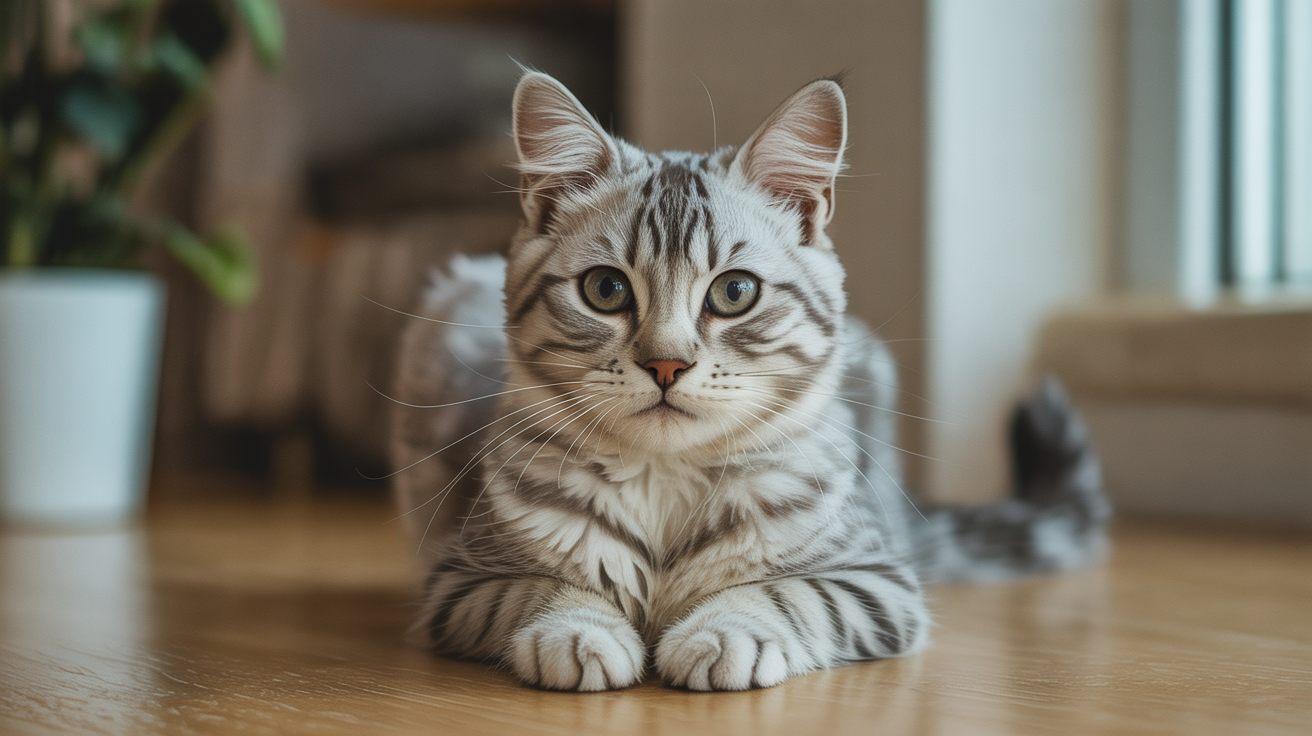
Cats communicate constantly. Most of it happens through posture, tail position, ear angle, and eye contact rather than sound. Once you know what to look for, those signals are surprisingly readable, and understanding them makes daily life with your cat noticeably smoother.
This guide covers the three body parts that carry the most information: the tail, the ears, and the eyes. By the end, you will be able to tell the difference between a relaxed cat and an anxious one before anything escalates.
What Your Cat's Tail Is Telling You
The tail is one of the easiest places to start because its position changes visibly with mood. Cat tail meaning varies by angle, curve, and movement.
Tail held high, tip curled slightly: This is a greeting posture. When a cat walks toward you with its tail pointing straight up, it is expressing confidence and friendliness. A small hook at the tip softens that even further. Think of it as a wave hello.
Tail wrapped around another cat or person: Contact wrapping is a sign of comfort and affection. If your cat drapes its tail over your leg while sitting next to you, it is choosing closeness deliberately.
Tail puffed up like a bottle brush: This is fear or intense agitation. The fur along the tail stands on end to make the cat look larger. If the back arches at the same time, the cat feels seriously threatened. Give it space and remove whatever triggered the response if you can.
Tail tucked low or between the legs: A low tail signals anxiety, submission, or discomfort. A cat that walks around with its tail tucked is telling you something in the environment is stressing it out. This is worth paying attention to over time, since chronic low-tail posture can point to ongoing anxiety.
Tail lashing side to side: A slow swish can mean mild annoyance or focused attention on prey. Fast, hard thumping usually means the cat is irritated and wants to be left alone. This is different from a dog's wagging tail and is easy to misread in early cat ownership.
Tail quivering while standing still: A quivering, upright tail directed at a person or another animal is a sign of excitement and affection. Some cats also quiver their tails just before spraying, but if yours is neutered and doing it in greeting, it is almost certainly a happy signal.
How to Read Your Cat's Ears
Ears move independently and quickly, which gives you a lot of real-time information.
Forward and slightly outward: This is neutral and curious. A cat exploring a room, watching a bird through a window, or interested in what you are doing will hold its ears in this position.
Flat against the skull (airplane ears): Full flattening is a fear or aggression signal. The cat is either preparing to defend itself or trying to make itself smaller. Stop whatever interaction is happening and give the cat an exit.
Rotated backward (but not flat): Mild irritation or overstimulation. This often shows up during petting when a cat has had enough. Watch for it before the cat swats or bites.
One ear swiveled toward a sound: Pure attention. The cat heard something and is tracking it. This is neutral and useful to know because it means the cat is alert to something nearby, even if you cannot hear it.
A practical note: ears and tail rarely tell the full story on their own. A cat with forward ears and a puffed tail is in a different state than a cat with forward ears and a high tail. Read both together.
Eye Signals and the Slow Blink
Eyes add a layer of nuance that the tail and ears alone cannot provide.
Dilated pupils: Large, round pupils can mean excitement, fear, or low light. Context matters here. A cat crouched and staring at you with huge pupils is probably in an agitated state. The same cat playing with a toy has dilated pupils for a completely different reason.
Constricted pupils in normal light: Alertness, arousal, or aggression. A cat staring hard at another cat with thin-slit pupils is signaling a challenge.
Half-closed eyes: Relaxation and contentment. If your cat is sitting near you with soft, droopy eyelids, it feels safe.
Slow blink: This is one of the most well-known signals in cat communication. A slow blink toward a cat or person is a calm, trusting gesture. The cat is essentially saying it does not feel threatened and is comfortable in your presence. You can return a slow blink to your cat deliberately. Hold eye contact lightly, then close your eyes slowly and open them. Many cats will slow-blink back, and over time this exchange builds trust, particularly with cats that are still warming up to you.
Hard, unblinking stare: Direct, sustained eye contact without blinking is a challenge or a threat in cat communication. Two cats staring each other down are likely on the edge of a confrontation. If you notice your cat staring hard at a new person or animal, intervene gently before the situation escalates.
Signs a Cat Is Happy: Reading the Full Picture
Understanding isolated signals is useful, but recognizing a genuinely relaxed, content cat requires reading the whole body together. Here are the signs a cat is happy when you step back and look at everything at once.
| Signal | What to Look For |
|---|---|
| Tail | High, with a soft curl or quiver |
| Ears | Forward and relaxed, not rotated |
| Eyes | Half-closed or slow-blinking |
| Posture | Loaf position or rolling over |
| Grooming | Self-grooming in your presence |
| Purring | Soft, rhythmic (though stressed cats can also purr) |
| Kneading | Paws pushing rhythmically against a soft surface |
A cat that rolls onto its back around you is displaying significant trust. The belly is a vulnerable area, and exposing it is a sign of comfort. This is not always an invitation to rub the belly; some cats want contact there and some absolutely do not. Watch what happens when you reach toward it before assuming.
Kneading behavior comes from kittenhood, when kittens knead at their mother while nursing. Adult cats tend to knead when they are relaxed and content, often on a soft blanket or against a person they feel bonded to.
When Body Language Points to a Problem
Cat body language is not only useful for reading happiness. It is also one of the first places problems show up.
A cat that is hiding more than usual, moving with its tail consistently low, showing flattened ears around you when it did not before, or acting startled by ordinary sounds may be in pain or under significant stress. Behavior changes like these warrant a vet visit, since cats instinctively hide discomfort and physical illness often shows up first as a shift in how a cat carries itself.
Aggression between cats in the same household, especially if it is new, is also worth addressing. Watch for hard stares, puffed tails, and flat ears when the cats are near each other. Slow reintroduction protocols can help, but if the situation is escalating, a veterinary behaviorist can offer a more tailored approach.
For other behavior questions, you might also find it helpful to look at why cats scratch, which is another form of communication and territory marking: why cats scratch and how to redirect it. If your cat is more vocal at night, the body language signals there can overlap with what you read here: why your cat meows at night.
Frequently Asked Questions
Why does my cat stare at me without blinking? A hard stare from a cat you live with is usually curiosity or mild challenge rather than threat. If your cat stares and then slowly blinks, it is actually communicating trust. If the stare is tense, with dilated pupils and a low or puffed tail, the cat may be unsettled about something in the room. Try breaking eye contact gently rather than staring back.
What does it mean when a cat's tail twitches while it is lying down? A small tail twitch while resting usually means the cat is half-aware of something nearby, like a sound or movement, without fully waking up. It is attention at a low level. A hard, repeated thump while lying down suggests irritation, sometimes with another animal nearby or with being petted past its comfort point.
Can I really slow-blink back at my cat? Yes, and it does seem to work. Research suggests that cats respond to slow-blink sequences from humans and may return the gesture. It is not a guaranteed behavior but is worth trying, particularly with a cat that is cautious around you. The key is to keep your gaze soft rather than direct and intense before you blink.
Is a puffed tail always a bad sign? Not always, but it is always a sign of strong feeling. Play arousal can sometimes produce a partly puffed tail in younger cats, but full bottle-brush posture combined with an arched back is a defensive fear response. Note what triggered it so you can avoid or adjust that situation.
What should I do if my cat's body language suddenly changes? A single change in one situation is usually situational. If you notice a persistent shift, such as a cat that was relaxed around you now keeping low, hiding, or flattening its ears consistently, take it seriously. Sudden behavior changes, especially combined with changes in eating or litter box habits, are worth a vet check. You can also read more about one common linked issue here: litter box problems and why cats stop using the box.