Gear & Home
The New Cat Starter Checklist
Everything a first-time cat owner needs to buy before bringing a cat home, from litter boxes to carriers, organized by what's essential versus nice-to-have.
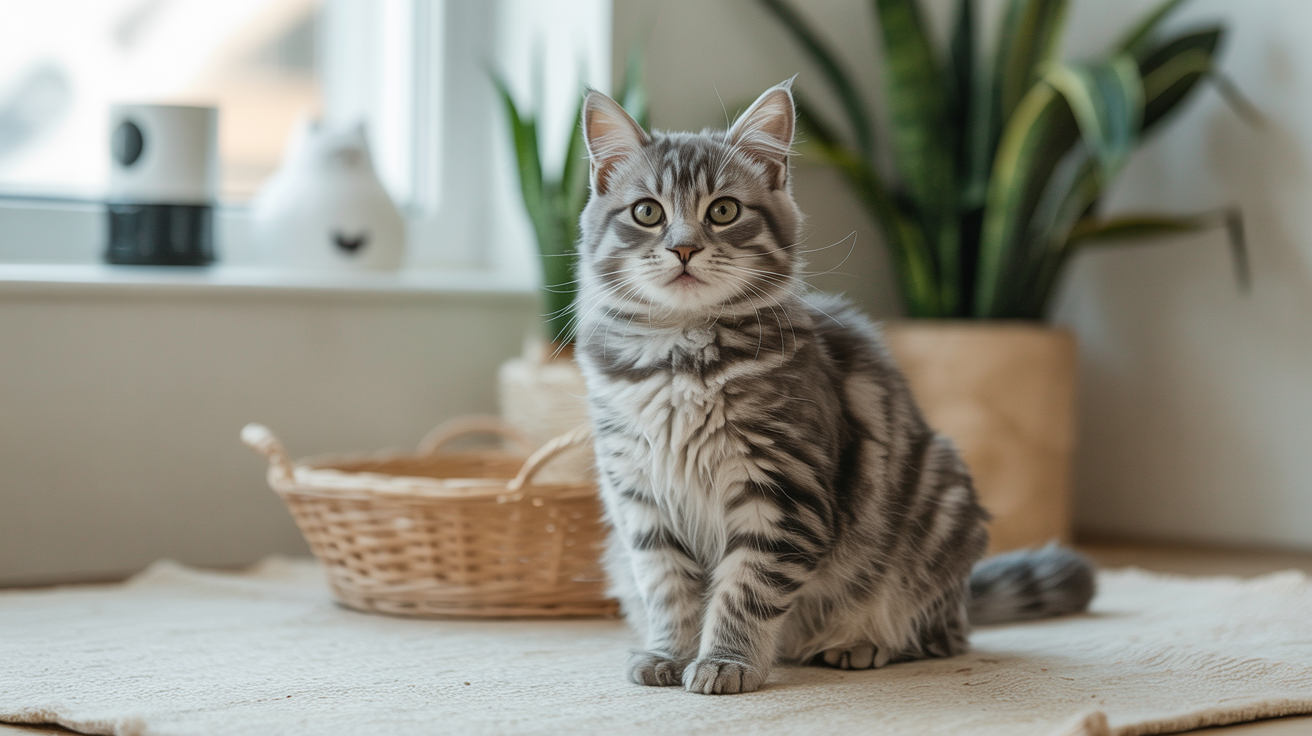
Before your cat sets foot in your home, a handful of supplies will make the transition a lot calmer for both of you. This guide runs through the complete new cat supplies checklist, explains what actually matters on day one versus what can wait, and flags a few decisions worth thinking about before you buy.
No brand recommendations here. The goal is to help you understand what each item does so you can make a sensible choice at whatever price point fits you.
The Items You Need Before Day One
Some things cannot wait. If these are not in place when your cat arrives, you will be scrambling on a stressful first evening.
Litter box and litter. You need at least one box ready and filled. A common rule of thumb is one box per cat, plus one extra, but for a single new cat, start with one and see how it goes. Litter box sizing, style, and placement matter more than most people expect. A box that is too small or too covered can cause a cat to avoid it entirely. See how to choose the right litter box size, type, and how many before you buy.
Food and water bowls. Wide and shallow tends to work better for most cats. Deep, narrow bowls can press against their whiskers in a way that cats find uncomfortable over time. Stainless steel and ceramic are easy to clean. Plastic can harbor bacteria in small scratches and some cats develop chin acne from it.
Food. Get a small supply of whatever the shelter or breeder was feeding your cat. Switching foods abruptly can cause digestive upset. Once your cat is settled, you can transition gradually if you want to change what they eat. Food choice is a bigger topic than this checklist can cover properly, but for now, matching the previous diet buys you some calm in the first few days.
A carrier. Your cat needs a way to get home, and a carrier is something you will use every time there is a vet visit. It is worth getting right. Hard-sided carriers with a top-opening door tend to be easier for vet exams, and getting your cat used to the carrier as a resting spot at home makes those trips far less stressful. More on this in picking a cat carrier and making vet trips easier.
A safe room. This is not a product but it belongs on this list. New cats do better when they start in one quiet room rather than having the run of the house. Set up the room with litter, food, water, and a hiding spot before your cat arrives. Let them come out at their own pace.
A hiding spot or covered bed. When cats are stressed, they need somewhere to feel enclosed and safe. A cardboard box on its side, a covered igloo bed, or even a box with a blanket inside works fine. Do not skip this one thinking your cat will be fine in the open. Most cats, even confident ones, want a retreat when somewhere is new.
Scratching posts. Scratching is not optional behavior. Cats need to scratch to stretch their muscles, shed old nail sheaths, and mark their space. Without an acceptable surface, they will use your furniture. At least one post on day one is not a luxury. Choosing a cat tree and scratching posts that get used explains what makes a post worth buying versus one that will be ignored.
Checklist: Essentials vs. Nice-to-Have
| Item | Essential | Nice-to-Have |
|---|---|---|
| Litter box (one to start) | Yes | |
| Clumping litter | Yes | |
| Food and water bowls | Yes | |
| Matching food (same as previous diet) | Yes | |
| Hard-sided carrier | Yes | |
| Scratching post (vertical) | Yes | |
| Safe room setup | Yes | |
| Hiding spot or covered bed | Yes | |
| Nail clippers | Yes | |
| Brush or comb (breed-appropriate) | Yes | |
| Cat tree or elevated perch | Yes | |
| Interactive wand toy | Yes | |
| Puzzle feeder | Yes | |
| Additional scratching surfaces | Yes | |
| Microchip ID tag (if not already chipped) | Yes | |
| Pheromone diffuser (e.g. for anxious cats) | Yes | |
| Baby gate to block off rooms | Yes |
The "nice-to-have" column is not a list of indulgences. A cat tree and a wand toy meaningfully improve daily life and reduce boredom-related behavior problems. They just do not need to be on your doorstep before your cat arrives.
Grooming and Health Basics
Even low-maintenance cats benefit from a few basic care tools at home.
Nail clippers. Cat claws grow continuously. Blunt claws snag on fabric and furniture, and overgrown claws can curl and dig into the paw pad. Small, purpose-made cat nail clippers work better than human ones. If you have never trimmed a cat's nails before, a vet or groomer can show you the technique in a few minutes. For anything involving unusual nail growth or signs of pain, talk to your vet rather than trying to sort it at home.
A brush or comb. Short-haired cats benefit from occasional brushing, especially during shedding season. Long-haired cats often need daily brushing to prevent mats. Mats can become painful and trap moisture against the skin, so for long-haired breeds this is genuinely a welfare issue, not just tidiness. Ask about your specific cat's coat type when you adopt.
A vet appointment within the first week. This is not a product, but it belongs in the checklist. A baseline exam establishes what healthy looks like for your cat, confirms vaccinations are current, and gives you a vet relationship before there is an emergency. Many shelters require it as part of the adoption agreement anyway.
What New Owners Often Forget
A few items that tend not to make the standard lists but come up quickly.
An ID tag and current contact information. Even indoor cats escape occasionally. A collar with a tag is a simple thing. Make sure the phone number on the tag is one that is currently active.
Enzymatic cleaner. Cats sometimes miss the litter box in the first days in a new home, especially kittens or older cats under stress. Regular household cleaners do not break down the proteins in cat urine that remain after the smell appears gone to humans. Enzymatic cleaners do. Having one on hand before you need it saves a trip.
Baby proofing for cord-heavy rooms. Kittens and young cats chew electrical cords. This is both a safety issue and an expense. Cord covers or cord bundlers are inexpensive and worth doing before your cat finds them interesting.
A second litter box location. If your home has more than one floor, a single litter box can mean a cat with urgency (or a senior cat with reduced mobility) cannot get there in time. One box per floor is a reasonable baseline.
Settling In: The First Two Weeks
First time cat owner gear is only part of the picture. The setup matters less than giving a new cat time to adjust at their own pace.
Most cats need one to three weeks before they are fully comfortable in a new home. Some settle in two days. Others take longer, especially if they came from a stressful background. Signs that a cat is adjusting well include eating regularly, using the litter box consistently, and starting to explore the space voluntarily.
Signs worth watching include complete refusal to eat for more than 48 hours, labored breathing, or any signs of pain. Those warrant a vet call, not a wait-and-see approach.
Avoid introducing your new cat to other pets or young children in the first few days. Even a social cat needs time to learn the smells and sounds of the house before navigating social dynamics on top of it.
Frequently Asked Questions
How much does it cost to set up for a new cat?
A functional basic setup (carrier, litter box and litter, bowls, food, a scratching post, and a simple bed or hiding spot) can be done for under $150 if you shop at mid-range prices. A cat tree, higher-quality food, and extras will add to that. The ongoing monthly costs, mainly food, litter, and vet care, tend to be more significant than the upfront gear.
Do I need a cat tree right away?
It is useful but not critical for day one. Cats benefit from vertical space and elevated resting spots. If you can add one in the first week or two, do it. In the meantime, a sturdy shelf or the top of a bookcase with a folded blanket serves the same purpose.
What litter should I use for a new cat?
Start with whatever litter the shelter or rescue was using. Litter preference is real for cats, and some will avoid a box if the litter texture or smell is unfamiliar. Once your cat is settled and using the box reliably, you can try a switch if you want, transitioning gradually over one to two weeks by mixing the old and new litter. For the full picture on litter boxes and litter types, see how to choose the right litter box size, type, and how many.
Do indoor cats need vaccinations?
Generally yes, though the specific vaccines and schedule depend on your location, your cat's history, and your vet's recommendation. Even indoor cats can be exposed to airborne pathogens, and some vaccines cover diseases transmissible to humans. Your vet is the right person to advise on what your specific cat needs.
Is a microchip the same as an ID tag?
No. A microchip is a permanent form of identification implanted under the skin that can be scanned at a shelter or vet clinic. A collar tag is visible and readable without equipment. Both have value: the tag gets your cat home faster if found by a neighbor, the microchip is permanent backup if the collar comes off. If your cat was not already microchipped when you adopted them, ask your vet about it at the first visit.