Gear & Home
Picking a Cat Carrier and Making Vet Trips Easier
Find the right cat carrier and actually get your cat inside it. A practical guide to hard vs soft carriers, sizing, and stress-free vet trips.
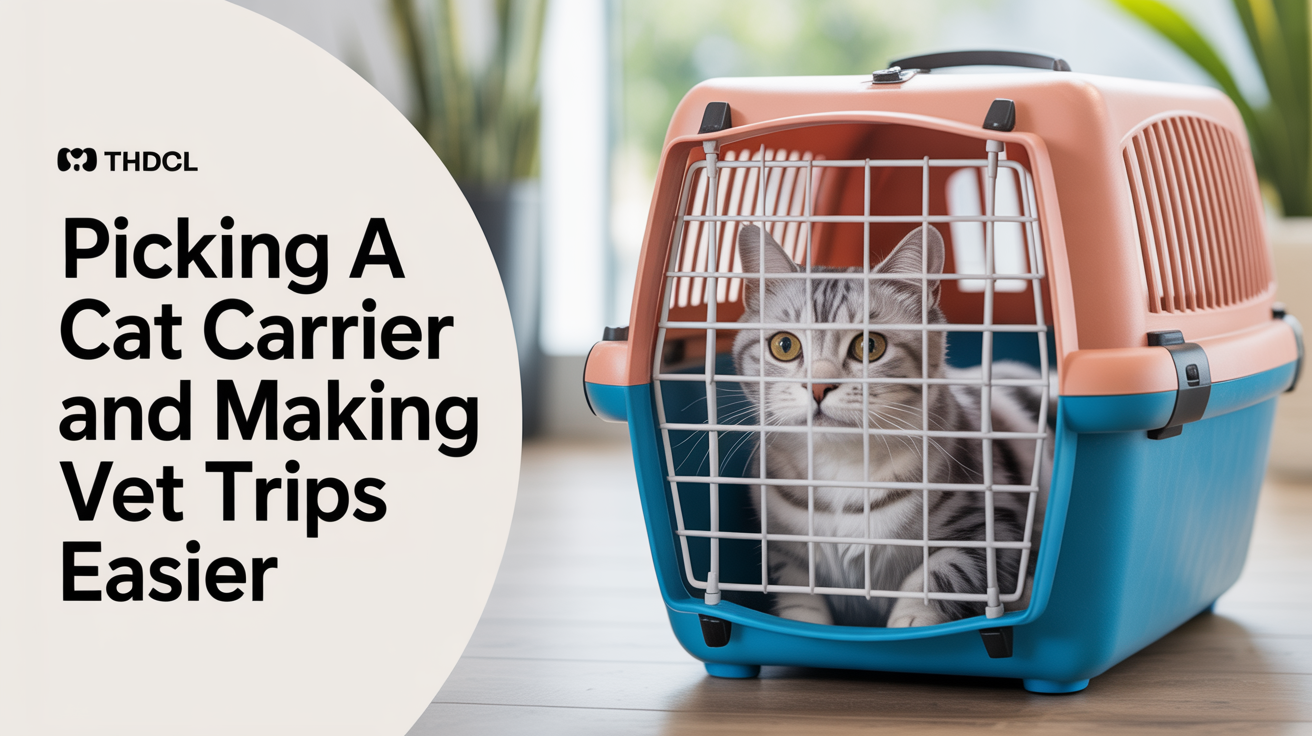
A good cat carrier is one of the most useful things you can own, and one of the most ignored until you desperately need it. Getting the right one, and teaching your cat that it's not a horror chamber, makes every vet trip noticeably less awful for both of you.
Here's what actually matters when choosing a carrier, and how to make using it a lot easier.
Hard vs soft carrier: which should you choose?
The hard vs soft carrier debate comes down to what you need the carrier to do.
Hard-sided carriers are made of rigid plastic with a metal grate door. They're easy to clean, hold their shape if dropped, and can't be crushed if stacked in a waiting room. Most vets prefer them because the top can be unlatched and removed, turning the carrier into an open bowl that lets a stressed cat stay put during the exam rather than being pulled out from the front. That alone is a huge advantage.
Soft-sided carriers are lighter, fold flat for storage, and have mesh panels that give the cat more airflow and a wider view. Some cats feel more secure in them because the soft walls muffle sound and feel less cage-like. The downsides: harder to disinfect if your cat vomits or has an accident in transit, they can collapse under pressure, and the zippers are a weak point if you have a determined escape artist.
A basic comparison:
| Feature | Hard carrier | Soft carrier |
|---|---|---|
| Weight | Heavier | Lighter |
| Cleanability | Easy to wipe down | Fabric absorbs odors |
| Collapsible | No | Often yes |
| Vet exam friendly | Yes (top opens) | Usually not |
| Airline cabin approved | Sometimes | Often yes |
| Durability | High | Moderate |
| Best for | Vet visits, multiple cats, anxious cats | Travel, calm cats, short trips |
For most people taking a cat to the vet, a hard-sided carrier with a removable top is the right call. If you fly frequently or have a mellow cat, a soft-sided bag is perfectly fine.
Sizing and what to look for
The carrier should be large enough for your cat to stand up, turn around, and lie down. That's the actual standard. A carrier that's too big isn't "more comfortable", cats tend to feel safer in snug spaces, and a roomy carrier lets them slide around during the ride, which is stressful.
For a 10-pound cat, most carriers labeled "medium" are right. For a large cat (15+ lbs), go up a size. If you have two cats that genuinely get along and travel calmly together, there are double-door carriers designed for pairs, but in an emergency, two cats in one carrier adds stress for both.
A few other things worth checking before you buy:
- Doors on multiple sides (front and top, ideally) so you have options at the vet
- A removable fleece pad or liner, or one that's simple to replace with a towel
- Latches that snap firmly shut and require deliberate effort to open
- Ventilation on at least three sides
- A strap loop at the top and a handle, you'll use both
Skip anything with a single mesh door that zips closed. It works, but it's awkward under pressure.
Getting your cat into the carrier
This is where most people struggle, and honestly it's because the carrier only comes out when something stressful is about to happen. Cats are pattern-recognition machines. They learn fast.
The fix is leaving the carrier out all the time. Put it in a spot your cat already spends time. Put a familiar-smelling blanket inside. Feed your cat near it, then eventually inside it. This sounds tedious but it genuinely works within a few weeks, the carrier stops being a threat signal and becomes background furniture.
When you actually need to get your cat in:
- Don't chase. A cornered, adrenaline-flooded cat will scratch and the whole thing turns into a spectacle.
- Use a top-opening carrier. Lower your cat in from above rather than trying to coax them in headfirst through a front door.
- Put the carrier on its end (front door facing up). Scruff loosely if needed, lower the cat in back feet first, then close the door before tipping it level.
- Drape a towel over the carrier. Darkness helps many cats settle within a minute or two.
- If your cat is genuinely panicked at vet visits, ask your vet about gabapentin. It's commonly prescribed for this, safe, and not sedation, it just takes the edge off. A lot of vets will happily prescribe it for anxious patients.
If your cat is just mildly grumpy about carriers, spray the inside with Feliway (a synthetic calming pheromone) about 30 minutes before loading. Results vary, but it helps some cats and it doesn't hurt.
Making the vet trip itself easier
The carrier is only part of it. The ride and the waiting room matter too.
In the car, secure the carrier with a seatbelt or wedge it against a seat back so it doesn't slide. Covering it with a towel reduces visual stimulation. Some cats settle if they can hear you talking calmly; others prefer silence. You'll figure out which type yours is after the first trip.
At the clinic, keep the carrier off the floor if dogs are present, on a chair or the exam table is fine. Ask the front desk if there's a cat-only waiting area. Many practices now have them.
If your cat has a history of complete meltdowns at the vet, look for a Fear Free certified practice or a feline-only clinic. The difference in how they handle cats is real: dimmer lights, quieter handling, no dogs in the waiting area, and staff trained to read cat body language. You can also schedule first or last appointment to avoid the busiest times.
Once you have the carrier situation sorted, it's worth thinking about the rest of your cat's home environment too. A well-placed litter box that actually gets used and a cat tree with good scratching surfaces do a lot to keep a cat's stress levels low day-to-day, which in turn makes them less reactive in novel situations like vet trips. Hydration matters too, a cat that drinks well is generally healthier and visits the vet for fewer urgent reasons.
When to replace your carrier
A hard-sided carrier can last a decade if the latches stay solid and the plastic isn't cracked. Check the hinges and door every year. If the carrier smells like a previous panic episode and cleaning hasn't fixed it, replace it, that scent is a trigger you don't need.
Soft carriers usually need replacing sooner. Zipper failures, fraying mesh, and absorbed odors are the common culprits. If you're not confident the zipper will hold under pressure, it's time for a new one.
Frequently asked questions
How big should a cat carrier be?
Big enough for your cat to stand up, turn around, and lie down comfortably. Beyond that, bigger doesn't mean better, cats feel more secure in snug spaces, and a too-large carrier lets them slide around during transit. For most adult cats, a medium-sized carrier works.
Is a hard or soft cat carrier better for the vet?
Hard-sided carriers are generally better for vet visits. The top section usually unlatches and lifts off, which lets a nervous cat stay inside the bottom half during the exam instead of being dragged through a front door. Most vets prefer this approach. Soft carriers work fine for calm cats or short trips, but they don't offer the same exam convenience.
How do I get my cat into the carrier without a fight?
Leave the carrier out as part of normal furniture so it stops being an event. Feed your cat near it and eventually inside it. When you need to load your cat, try a top-opening carrier and lower them in back-feet-first. If your cat is seriously anxious, talk to your vet about gabapentin, it's safe, effective, and widely used before vet visits.
Can I use one carrier for two cats?
Two cats that are closely bonded and travel calmly together can share a carrier. In most cases, though, it's safer and less stressful to use separate carriers, especially at the vet, where the environment is already overstimulating. If one cat is anxious, the other picks up on it, and you end up with two stressed cats in a small space.
Should I put anything inside the carrier?
Yes. A towel or blanket with your cat's scent makes the space feel familiar. Spraying with Feliway 30 minutes before use helps some cats. Skip anything bulky enough to shift and trap them. If your cat tends to get motion sick, keep the liner minimal and easy to swap.
This is general guidance for cat owners, not veterinary advice, for health concerns, medication questions, or anything involving a specific cat, check with a licensed vet.