Gear & Home
Setting Up a Cat-Friendly Home in a Small Space
How to create a cat-friendly apartment your cat will actually use, covering vertical space, core zones, window access, and hiding spots.
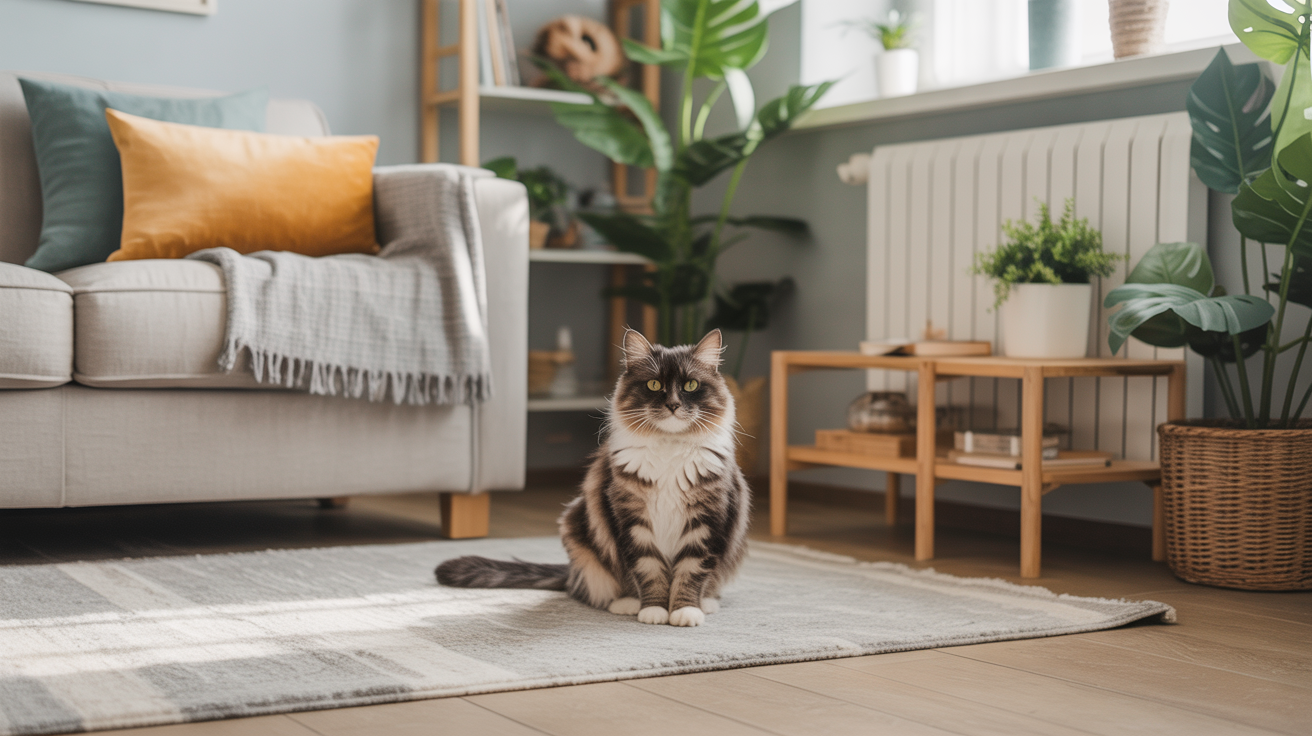
Living in a smaller place does not mean your cat gets a smaller life. Cats are territorial animals that think in layers and zones rather than square footage. A 600-square-foot apartment, set up with intention, can meet nearly every need a cat has. This guide walks you through how to build that indoor cat setup without turning your home into an obstacle course.
Build Up, Not Out: Vertical Space for Cats
The first thing to understand about cats is that they value height. Being up high lets a cat survey its territory, feel secure from perceived threats, and rest without being underfoot. In a small apartment with a cat, the walls and vertical surfaces you already own are untapped real estate.
Wall-mounted cat shelves are one of the most space-efficient options available. Arranged in a staggered staircase pattern, they let a cat travel from floor to near-ceiling without taking up any floor space at all. Most hardware-store shelf brackets work fine; just confirm the shelves are rated for the weight of a larger cat, and add carpet or sisal so paws get traction.
A cat tree placed in a corner does double duty: it satisfies the urge to climb and provides a high resting spot. For small spaces, look for slim-profile trees with a single column and multiple perches rather than wide sprawling models. A corner placement means it intrudes on floor space from two sides only.
For a room-by-room approach: living room gets the tallest climbing option, bedroom gets a lower perch near the window, and the hallway or landing (if you have one) can hold a single shelf at jump height just to give the cat a travel route between rooms.
See choosing a cat tree and scratching posts that get used for guidance on sizing, material, and placement before you buy.
The Five Zones Every Cat Needs
Think of a small apartment cat setup as a collection of five distinct zones. Each one serves a different function, and they should not overlap.
Eating and drinking zone. Food and water bowls go away from litter boxes, full stop. Ideally they are on opposite sides of the room, or in separate rooms entirely. Cats are instinctively reluctant to eat near where they eliminate. A wall-mounted feeder or a raised feeding station reclaims counter space while keeping the area tidy.
Sleeping zone. Cats sleep between 12 and 16 hours a day, and they prefer multiple options. A covered cave bed tucked under a side table, a padded window perch, and a soft spot on the top level of the cat tree give a cat the ability to choose based on temperature, noise level, and mood. In apartments, thermal spots near radiators or sunny windows tend to be prime real estate.
Scratch zone. Scratching is not misbehavior. It conditions the claws, stretches the spine, and marks territory visually and with scent. Every cat needs at least one tall vertical scratcher (the cat should be able to fully extend when using it) and one horizontal option. Placing a scratcher next to a sleeping spot works well because cats often scratch when they wake up. Read choosing a cat tree and scratching posts that get used for more on what actually holds a cat's interest.
Litter zone. The general guidance is one box per cat, plus one extra. In a small apartment, that might mean two boxes in a single bathroom. Placement matters more than people expect: boxes in high-traffic areas or next to loud appliances (washing machines, HVAC units) often get avoided. A quiet corner or a low-traffic hallway usually works better. For help picking the right box shape and depth, see how to choose the right litter box size, type, and how many.
Play zone. Interactive play needs at least a small clear floor area where a cat can sprint, turn, and pounce. In tight spaces, the hallway is often the best option. A 10- to 15-minute wand toy session once or twice a day covers most of a cat's predatory exercise needs without requiring dedicated square footage.
Window Access: The Free TV Your Cat Already Wants
A window with a view is one of the highest-value additions to a cat-friendly apartment, and it costs nothing beyond the space on the sill. Cats watch birds, squirrels, passing pedestrians, and blowing leaves for long stretches. This kind of passive observation reduces boredom and channels natural predatory interest harmlessly.
A wide window sill (or a shelf mounted just at sill height) gives the cat a stable perch. If the sill is narrow, an L-bracket shelf attached to the wall just below the window takes up no floor space and gives the cat a proper seat.
A few practical notes:
- Screens need to be secure. Cats lean into screens, and a standard push-in screen will not hold a determined cat. Tension-fit screen locks or hardware-store screen clips make the window safe to open for ventilation.
- Avoid placing bird feeders directly outside a window if you plan to open that window. It creates an escape incentive.
- Partial shade is better than full sun for a perch cats use all day. A south-facing window can get quite hot by early afternoon.
Bird feeders in the yard below, or a suction-cup feeder on the glass, give indoor cats more to watch. This kind of environmental enrichment is sometimes called "cat TV" and it genuinely occupies cats that might otherwise redirect boredom onto furniture or onto you.
Hiding Spots and Safe Retreats
A hiding spot is not a sign that something is wrong. It is a basic need. Cats are both predator and prey by nature, and having a place to disappear into makes them feel safe in their environment. In a small apartment, the absence of hiding spots can leave a cat in a low-level state of stress even when everything else is fine.
Simple options include:
- A covered cat bed or cave tucked under a coffee table or bed
- A cardboard box left on its side in a low-traffic corner
- A cat cube or tunnel in a corner of the bedroom
- The space inside a bookcase with one shelf cleared out (with a soft mat added)
Hiding spots are especially important when guests visit, during loud events like thunderstorms or parties, and during any change in the household routine. If you notice your cat seeking out small enclosed spaces more than usual, or if they stop eating or grooming normally, that warrants a veterinary check rather than a behavioral adjustment.
Small-Space Setup: Practical Checklist
Running through these items before you bring a cat home (or before doing a setup refresh) keeps the process manageable.
| Zone | What you need | Space-saving approach |
|---|---|---|
| Climbing | Cat tree or wall shelves | Corner tree or staggered wall shelves |
| Sleeping | 2 to 3 beds in different locations | Under tables, window perch, top of tree |
| Scratching | 1 tall vertical + 1 horizontal scratcher | Mount vertically on door frame or wall |
| Eating | Bowls away from litter | Wall-mounted or raised feeder |
| Litter | 1 to 2 boxes, quiet location | Enclosed box in bathroom corner |
| Window | Secure sill access | Sill extender shelf, secure screen |
| Hiding | At least 1 covered retreat | Cardboard box or covered bed under furniture |
| Play | Clear floor area, interactive toys | Hallway for sprint play, wand toys stored nearby |
A few things worth adding: rotate toys every week or two so the novelty holds. Keep the litter box scooped daily because cats are more likely to use a clean box, and in a small space an unclean box affects the whole apartment. And get a carrier your cat can access regularly as a bed or resting spot, not just on vet days, which makes travel far less stressful. Picking a cat carrier and making vet trips easier covers the specifics of carrier type and acclimation.
Frequently Asked Questions
Can a cat be happy in a studio apartment?
Yes, with the right setup. The key factors are vertical space, regular interactive play, window access, and a consistent daily routine. Studio cats often bond closely with their owners because the living space is shared. The main risk is boredom during long work days, which a second cat, puzzle feeders, or scheduled play sessions can address.
How many litter boxes do I need for one cat in a small apartment?
The standard recommendation is one box per cat plus one extra, so two boxes for one cat. In a studio or one-bedroom apartment, two boxes side by side in the bathroom is a reasonable compromise when space is genuinely limited. Keeping both boxes very clean reduces the chance of avoidance.
My cat ignores the cat tree I bought. What can I do?
Location and stability matter more than the tree itself. Cats avoid wobbling furniture. Place the tree near a window or in a room where the cat already likes to be, rather than a spare bedroom nobody uses. Rubbing a little catnip onto the perches can help at first. Feeding the cat on the lower levels for a week or two also builds a positive association.
Do I need to cat-proof my apartment before getting a cat?
Some basic steps are worth taking: secure any loose cords (they are a chewing and tangling hazard), check that window screens are firmly seated, remove any toxic plants, and store small ingestible items like hair ties and rubber bands out of reach. A complete sweep of the space from a cat's eye level, literally crouching down and looking, reveals most hazards quickly.
Is it okay to keep a cat indoors only?
Indoor-only cats routinely live longer and are not exposed to outdoor hazards like traffic, disease, or predators. The trade-off is that enrichment, stimulation, and exercise become your responsibility rather than the environment's. Daily play, vertical space, window views, and puzzle feeders fill most of that gap. Some owners also use a secure balcony enclosure or a harness and leash for supervised outdoor time, but neither is required for a cat to thrive indoors.