Health & Wellness
Senior Cat Care: What Changes With Age
A practical guide to older cat health: what to expect, which signs to watch for, and how regular senior cat checkups keep your aging cat comfortable.
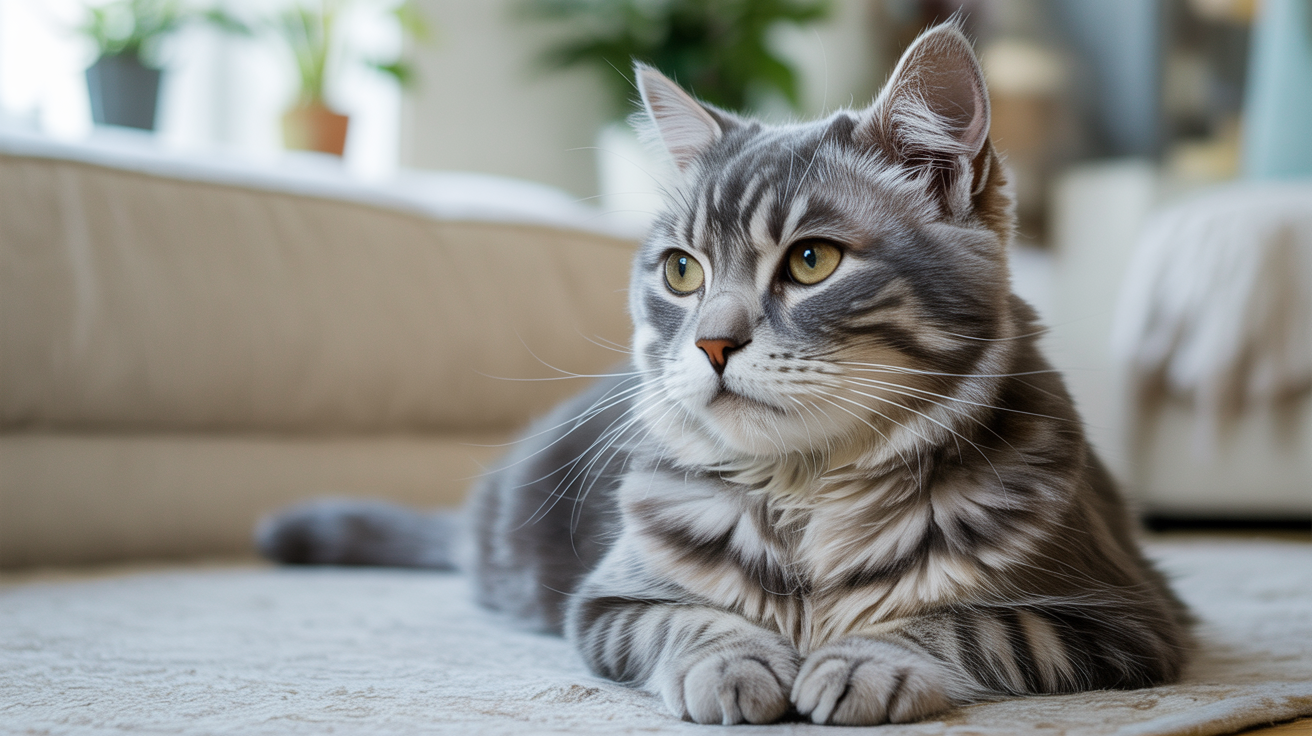
Cats age quietly. One day you notice your ten-year-old is sleeping more, drinking from the water bowl more often, or moving a little stiffly on cold mornings. These shifts are normal in many cases, but they can also be early signals that something needs attention. Knowing what typically changes as cats get older helps you catch problems early and keep your cat comfortable through the years ahead.
Most vets consider cats "senior" around age ten to twelve, though individual cats vary. Large breeds may feel the effects of age earlier; some small domestic cats stay spry well past fifteen. Whatever the timeline, older cat health calls for a different kind of attention than kitten care.
The Physical Changes You Can Expect
Aging affects cats from the inside out, and not all changes are visible at first.
Metabolism slows. Older cats often need fewer calories to maintain weight, though some seniors actually lose muscle mass and need more protein. If your cat is gaining weight without eating more, or losing it without eating less, that is worth a vet conversation.
Joints stiffen. Arthritis is common in cats over ten, and because cats hide discomfort, it often goes unnoticed. Watch for reluctance to jump, hesitation at stairs, or a change in grooming habits (stiff hips make it harder to reach the tail base). Litter boxes with high sides can become a real obstacle.
Senses dull. Hearing loss and vision changes are common with age. A cat who startles more easily or navigates familiar spaces with extra caution may be compensating for reduced eyesight or hearing. These changes are usually gradual rather than sudden; sudden changes in either sense warrant a vet check.
Coat and skin change. The coat may become coarser or thinner. Older cats sometimes groom less thoroughly, leaving the coat duller or matted. This can reflect joint pain, dental discomfort, or an underlying health issue rather than just laziness.
Dental disease worsens. Years of tartar buildup catch up with most cats by middle age, and untreated dental disease is uncomfortable and can affect overall health. At-home cat dental care becomes even more important as your cat ages, and professional cleanings under anesthesia may be recommended by your vet.
Why Senior Cat Checkups Matter More
Twice-yearly vet visits are the standard recommendation for cats over ten, up from the once-a-year schedule that works for healthy younger cats. That extra visit is not just routine box-checking. It is how problems get caught before they become crises.
At a senior checkup, your vet will typically:
- Weigh your cat and compare to prior visits (weight loss or gain is a useful signal even when it is not obvious at home)
- Feel for enlarged lymph nodes or abdominal abnormalities
- Check teeth, eyes, and ears
- Run bloodwork and a urinalysis if appropriate, which screens for kidney function, thyroid levels, blood sugar, liver values, and more
- Ask about behavior changes, litter box habits, and appetite
That bloodwork piece matters a lot. Many common senior cat conditions are manageable when caught early through lab tests, before symptoms become obvious. Kidney disease in cats, for example, is one of the most frequently diagnosed conditions in older cats. It often develops slowly over years, and a cat may feel relatively normal for a long time while kidney function quietly declines. Regular bloodwork and urine tests give your vet a trend over time, which is far more useful than a single snapshot.
If something looks off in the numbers, your vet can recommend next steps. Treatment will vary depending on what is found and how advanced it is. This is not something to manage based on general internet guidance; a vet who knows your cat's history is the right person to guide that conversation.
Kidney Disease: What Owners Should Know
Kidney disease in cats deserves its own section, simply because it is so common. By some estimates, a significant portion of cats over fifteen have some degree of chronic kidney disease (CKD). It does not mean a death sentence, and many cats live comfortably for years after diagnosis with appropriate management.
Signs that might suggest kidney trouble include:
- Drinking more water than usual
- Urinating more frequently or in larger amounts
- Weight loss, particularly muscle loss around the spine
- Reduced appetite or nausea
- Lethargy
These symptoms overlap with many other conditions, which is exactly why a vet diagnosis matters. Do not try to interpret bloodwork results from online resources alone. If your cat is showing any of these signs, a vet visit and lab work are the right starting point.
Once diagnosed, management is tailored to the individual cat. Diet adjustments, hydration support, and monitoring schedules vary depending on the stage and the cat. Your vet will walk you through what makes sense for your specific situation.
For any cat showing signs that something is off, knowing when to call the vet can help you decide how urgent a visit needs to be.
Day-to-Day Adjustments for Older Cats
Good senior cat care is not all about medical visits. Small changes at home can make a real difference in how comfortable your cat is day to day.
Litter box accessibility. Lower-sided boxes or a ramp over the edge help arthritic cats get in and out without pain. Add boxes on every floor if your cat has trouble with stairs.
Warm sleeping spots. Older joints appreciate warmth. A heated cat bed, a spot near a heating vent, or simply a thick blanket can ease stiffness, especially in winter.
Food and water placement. Raise food and water bowls slightly if your cat has neck or shoulder stiffness. Keep the water bowl away from the food bowl; many cats drink more when their water source is not directly next to where they eat. A water fountain can encourage drinking, which supports kidney and urinary health.
Grooming help. If your cat is not reaching the base of the tail or the lower back, a soft brush can fill in the gaps. This also gives you regular hands-on time to notice lumps, skin changes, or weight shifts.
Cognitive changes. Some older cats become more vocal at night, seem confused in familiar spaces, or show changes in their social habits. These can reflect cognitive dysfunction, similar to dementia in older humans, or may point to an underlying medical issue like hyperthyroidism or high blood pressure. Either way, it is worth mentioning to your vet rather than assuming it is just "old age."
Vaccinations and Preventive Care
Senior cats still need core vaccines, though your vet may adjust the schedule based on your cat's lifestyle and overall health. An indoor-only cat with no exposure to other animals may not need the same protocol as a cat with outdoor access. The key is having the conversation with your vet rather than skipping vaccines entirely on the assumption that an old cat no longer needs them. Core vaccines every cat needs gives a solid overview of what those are and why they matter.
Parasite prevention also continues into senior years. Cats who go outside or live in multi-pet households still need flea, tick, and heartworm prevention as appropriate for your region.
A Quick Reference: What to Watch For
| Change | Possible Cause | Action |
|---|---|---|
| Drinking much more water | Kidney disease, diabetes, hyperthyroidism | Vet bloodwork and urinalysis |
| Sudden weight loss | Many possible causes | Vet visit |
| Reluctance to jump | Arthritis or pain | Vet exam; consider joint support options |
| Increased yowling at night | Cognitive dysfunction, hyperthyroidism, pain | Vet evaluation |
| Dull or matted coat | Poor grooming from pain or illness | Vet check; add grooming help |
| Bad breath or drooling | Dental disease | Dental exam |
Frequently Asked Questions
At what age is a cat considered senior? Most veterinarians classify cats as senior starting around age ten to twelve. Some use "mature" for ages seven to ten and reserve "senior" for ten and older. The more useful framing is that by age ten, twice-yearly vet visits and regular bloodwork make sense regardless of what you call the life stage.
How often should I take my senior cat to the vet? Twice a year is the general recommendation for cats ten and older. One of those visits should include bloodwork and a urinalysis to check kidney function, thyroid levels, and other senior health markers. Your vet may recommend more frequent monitoring if your cat has a known condition.
Can kidney disease in cats be cured? Chronic kidney disease in cats cannot be reversed, but it can often be managed for a long time with the right support. Cats diagnosed early and managed appropriately may live comfortably for years. The specific approach depends on the stage and the cat, so this is a conversation to have directly with your vet rather than something to manage based on general advice.
My older cat is losing weight but still eating. What could cause that? Weight loss despite a normal or increased appetite is a common sign of hyperthyroidism in older cats. It can also be related to diabetes, intestinal disease, or other conditions. A vet visit and bloodwork can usually point toward the cause. Do not wait to see if it improves on its own.
Is it normal for senior cats to sleep more? Some increase in sleep is typical as cats age. But if the change is dramatic or comes alongside other signs like reduced appetite, weight loss, or disinterest in things your cat used to enjoy, it is worth mentioning to your vet. More sleep by itself is not alarming; more sleep paired with other changes is a reason to get a checkup sooner rather than later.