Behavior & Training
Litter Box Problems: Why Cats Stop Using It
Cat not using the litter box? Here are the real reasons — medical, behavioral, and setup — plus how to fix each one.
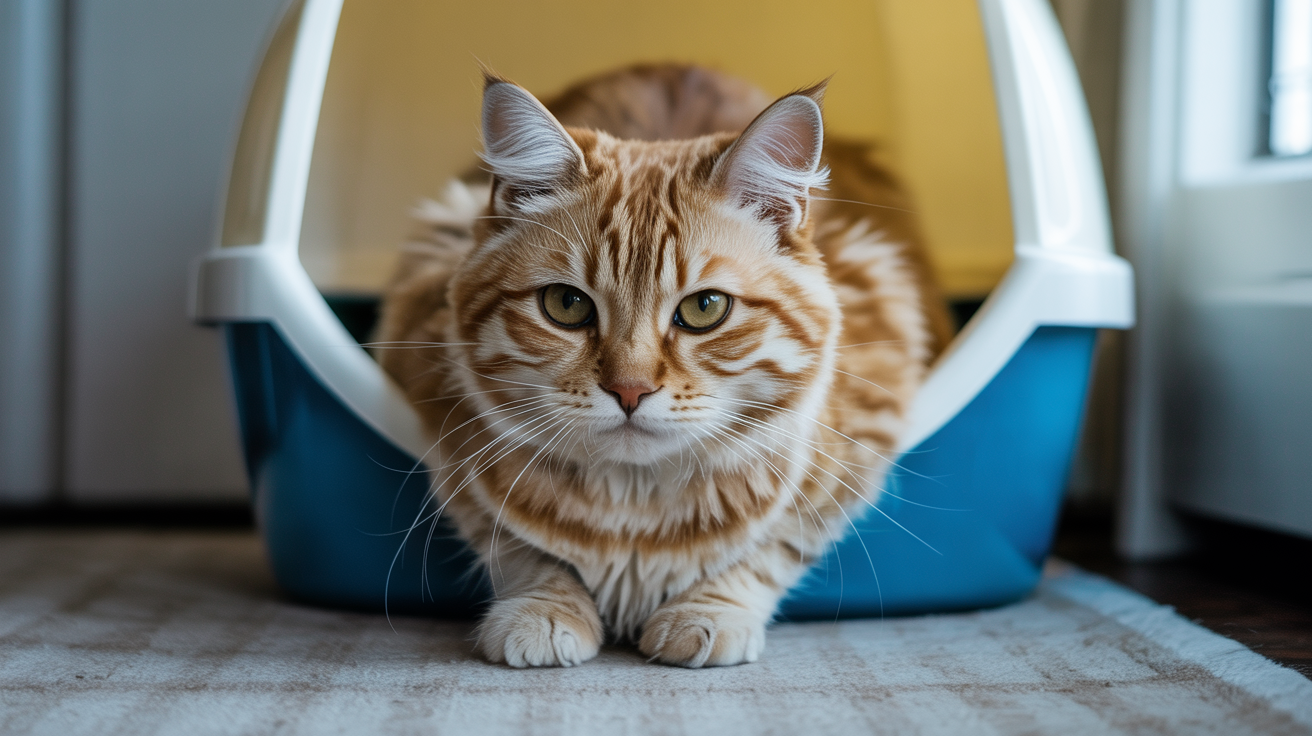
A cat that suddenly stops using the litter box isn't being spiteful. That's not how cats work. When litter box avoidance shows up, it almost always means something is wrong, either with the box setup, the litter, or (importantly) your cat's health. The good news: most cases are fixable once you figure out which category you're dealing with.
Rule out a medical cause first
This is the part people skip, and they shouldn't. A cat peeing outside the litter box, especially if it's in small, frequent amounts, or your cat is straining, may have a urinary tract infection, bladder stones, or feline idiopathic cystitis (FIC). Male cats are at higher risk for urinary blockages, which are emergencies.
Watch for these signs and call your vet the same day if you notice them:
- Straining to urinate with little or no output
- Blood in the urine (pink or red tinge)
- Crying or vocalizing while trying to use the box
- Urinating in unusual spots like cool tile or the bathtub
- Lethargy or not eating alongside the litter box change
If your cat is still producing normal amounts of urine and seems fine otherwise, a medical issue is less likely, but it's still worth mentioning to your vet at the next visit. Behavioral litter box problems and medical ones look identical from the outside.
Common box and setup problems
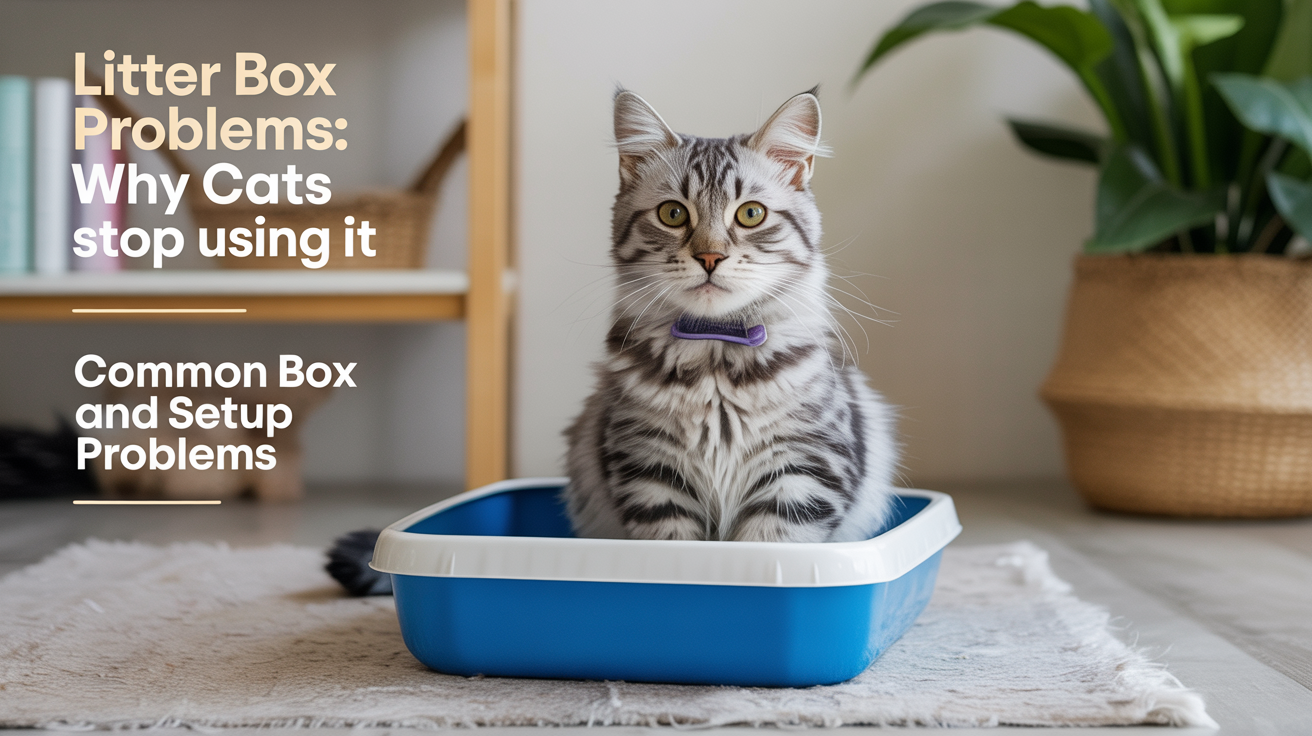
After ruling out health issues, the next step is to audit the box itself. Cats are specific. What seems like a perfectly reasonable setup to you may be intolerable to them.
Location. The box should be in a quiet, low-traffic spot with an easy exit route. A box wedged in a corner of a loud laundry room, or right next to a noisy appliance, is a box many cats will avoid. They don't want to feel trapped while doing their business.
Number of boxes. The standard guidance is one box per cat, plus one extra. So two cats need three boxes, minimum. In a multi-cat home, a dominant cat can effectively block access to a single box, leaving others with no good option.
Size. Most commercial litter boxes are too small for adult cats. Your cat should be able to turn around completely and dig without their body hanging over the edge. A good rule of thumb: the box should be at least 1.5 times your cat's body length.
Covered vs. uncovered. Some cats like the privacy of a hooded box; others hate the enclosed feeling (and the concentrated smell inside). If you have a cover on the box and the problem is new, try removing it for a week.
Cleanliness. This is the big one. Cats won't reliably use a box that's too dirty. Scoop at least once a day, ideally twice. Full litter replacement and a box scrub-down should happen every two to four weeks depending on how many cats you have and what type of litter you use.
Litter type and depth
Changing litters without a gradual transition is a surprisingly common trigger for litter box avoidance. Cats develop preferences early, and many will reject a new texture or scent outright.
Unscented, clumping clay litter is what most cats prefer when given a choice. Heavily scented litters that smell fresh to us can be overwhelming to a cat's nose. Pellet litters (paper, wood, walnut) work for some cats but not others, and the texture is very different from what most cats encounter early in life.
Litter depth matters too. Most cats prefer about 2–3 inches. Too little and they can't dig properly; some cats find a very deep fill uncomfortable.
If you suspect the litter is the problem, offer a side-by-side choice: put two boxes next to each other with different litters and see which one gets used. Cats will tell you.
Behavioral and stress-related avoidance
Sometimes the box is fine and your cat is healthy, but something in the environment has shifted. Cats are sensitive to household changes in ways that are easy to miss.
A new pet, a move, construction noise, a schedule change, a new baby, even a different brand of cat food, any of these can create enough stress to disrupt litter box habits. This is especially true for cats that already run anxious.
One common scenario: a cat had a painful urination episode (from a UTI or crystals), associated the litter box with that pain, and now avoids it even though the medical issue is resolved. This is called litter box aversion, and it sometimes requires introducing a completely new box in a new location with new litter to break the association.
If another cat is bullying or ambushing at the box, the solution is more boxes in more locations, ideally spread across different rooms on different floors of the house. You can read more about how inter-cat stress shows up in everyday behavior in our guide to why cats scratch and how to redirect it to a post.
How to troubleshoot step by step
Here's a practical checklist to work through:
| Step | What to check | What to try |
|---|---|---|
| 1 | Medical signs | Call vet if straining, blood, or lethargy is present |
| 2 | Box count | Add one more box; spread them across the home |
| 3 | Box size | Swap to a larger box (or a storage tote with a cut-out entry) |
| 4 | Location | Move box away from appliances, high-traffic areas |
| 5 | Cleanliness | Scoop daily; full clean every 2 weeks |
| 6 | Litter type | Offer unscented clumping clay alongside current litter |
| 7 | Litter depth | Aim for 2–3 inches |
| 8 | Stress | Identify recent household changes; add Feliway diffuser if needed |
| 9 | Aversion | Introduce a brand-new box in a new spot with new litter |
Work through these in order. Most problems resolve at step 2, 5, or 6. If you've addressed everything on this list and your cat is still eliminating outside the box, a vet visit is the right next move, sometimes stress-related elimination benefits from short-term medication alongside the environmental fixes.
Cats that are stressed enough to eliminate outside the box may also display other behavior changes. If you're dealing with additional issues like nighttime vocalizing, our article on why your cat meows at night covers how to read those signals and what tends to help.
Cleaning up accidents properly
Where you don't want to go wrong: cleaning up accidents with a standard household cleaner and calling it done. Cats can still smell urine traces that are invisible to us, and they'll often return to the same spot.
Use an enzymatic cleaner specifically designed for pet urine. These break down the uric acid crystals that regular cleaners leave behind. Spray generously, let it soak for the time listed on the product, and don't blot it up immediately, the enzymes need dwell time to work.
Avoid ammonia-based cleaners. Urine contains ammonia, so cleaning with it can actually reinforce the scent signal.
For carpet accidents, after cleaning, you can temporarily place a litter box over the spot (yes, really), some cats will use it, and it at least discourages re-soiling while the area finishes drying. Once the habit is broken, gradually move the box toward its proper location.
Frequently asked questions
Why did my cat suddenly stop using the litter box after years of no problems?
Sudden changes are more often medical than behavioral. A UTI, bladder inflammation, arthritis (which makes stepping into the box painful), or kidney disease can all show up this way in an otherwise well-trained cat. A vet check is the right first step when the change is abrupt.
Can stress really cause a cat to pee outside the box?
Yes. Cats under stress, from new animals, people, loud environments, or schedule disruptions, sometimes redirect to inappropriate elimination. It's not a choice in any meaningful sense; it's a stress response. Addressing the stressor and providing extra boxes in quiet locations usually helps more than any punishment.
My cat uses the litter box for poop but not pee (or vice versa). Why?
Cats sometimes prefer separate boxes for each. Try offering an additional box and see if they self-sort. Urinating outside the box while defecating inside it can also be a sign of a urinary issue, so this pattern is worth mentioning to a vet.
Should I punish my cat for going outside the litter box?
No. Punishment after the fact doesn't work for cats, they can't connect the correction to the earlier event. It adds stress, which can make elimination problems worse. The fix is always environmental and medical, not disciplinary. If you're also dealing with scratching or biting alongside the litter box issues, the same principle applies, you can learn more in our guide on how to stop a cat from biting and rough play.
How many litter boxes do I need for one cat?
Two is the minimum for a single cat. One box can become a problem if it gets dirty between cleanings, or if your cat has had a negative experience with it. Two boxes in different rooms gives your cat a choice and a backup.
This article is general guidance for cat owners and isn't a substitute for advice from a licensed veterinarian who can examine your cat.