Grooming & Care
Litter Box Hygiene: A Cleaning Routine That Works
Learn how to clean a litter box properly, how often to scoop, and which products keep litter box smell under control without irritating your cat.
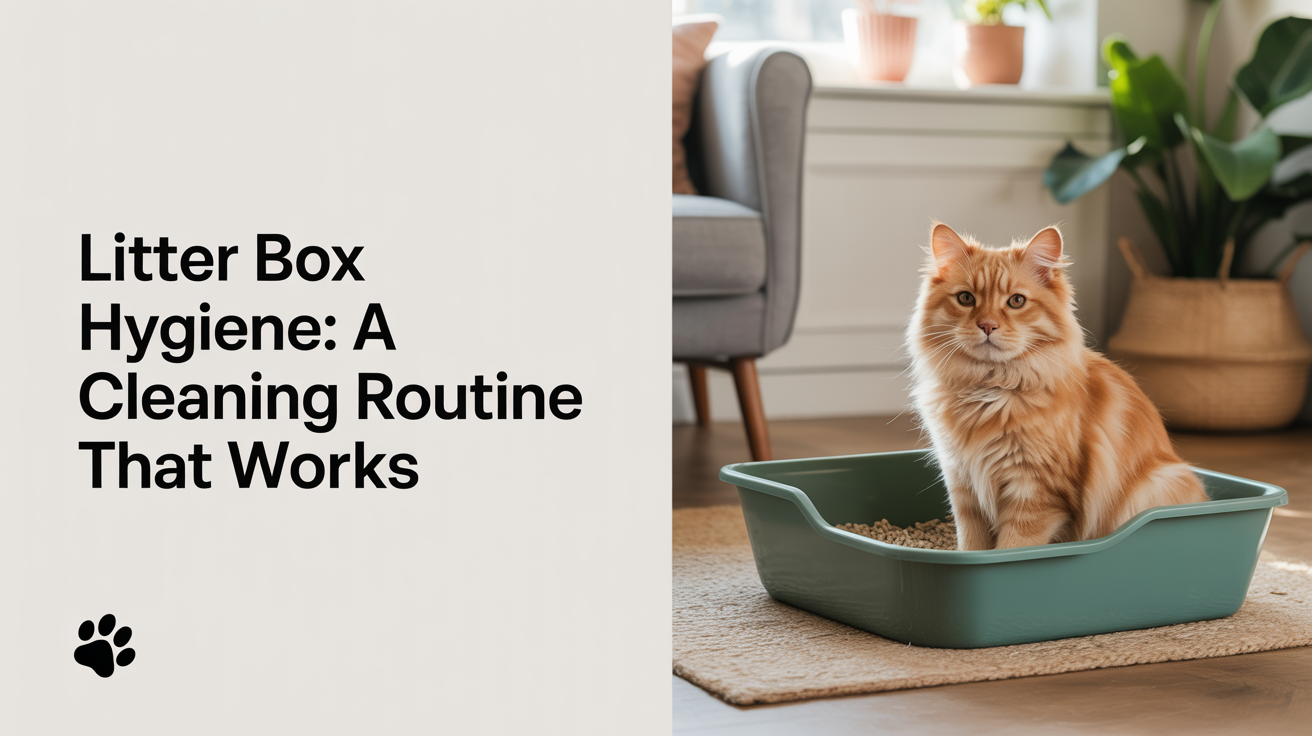
Cleaning the litter box is not glamorous, but it is one of the most direct ways you can protect your cat's health and your home's air quality. The short answer: scoop at least once a day, do a full litter swap every one to two weeks, and deep-clean the box itself monthly. Everything below builds on that baseline.
Your Daily Scooping Schedule
Cats are fastidiously clean animals. Many will start avoiding a box that smells heavily of waste, which leads to accidents on your floors. A once-daily scooping schedule is the minimum; twice a day is better if your cat is particular or if you share one box among multiple cats.
What to do during a daily scoop:
- Use a slotted scoop and remove all clumps and solid waste.
- Smooth the remaining litter flat so you can spot new deposits next time.
- If you are using non-clumping litter, stir the litter gently to expose wet spots, then remove what you can.
- Drop waste into a small bag, seal it, and dispose of it in a lidded trash can. A dedicated small bin with a liner next to the box makes this fast.
A consistent scooping schedule also gives you a quiet window to notice changes in your cat's bathroom habits. Straining, unusually small or large clumps, blood, or skipped visits can signal a health issue. When something looks off for more than a day or two, contact your vet rather than waiting.
Full Litter Changes: How Often and Why
Even with daily scooping, litter degrades over time. Odor compounds build up in the granules themselves, and bacteria accumulate at the bottom of the box. A full litter swap means emptying everything out, not just topping off what is left.
Clumping litter: Replace fully every one to two weeks, depending on how many cats use the box and how thoroughly you scoop. If the litter starts smelling even right after a scoop, that is a sign the whole batch needs to go.
Non-clumping litter: Replace more frequently, roughly every three to seven days, because liquids absorb into the granules and cannot be scooped out cleanly.
Crystal or silica litter: Follow the package guidance, usually two to four weeks for a single cat. The crystals change color as they saturate, which gives you a visual cue.
When you do a full change, knock out the used litter into a bag, give the box a rinse, dry it, and refill with two to three inches of fresh litter. That depth lets cats dig comfortably without hitting the plastic floor immediately.
Deep-Cleaning the Box: A Monthly Task
Once a month, the box itself deserves a proper scrub. Plastic is porous over time, especially if you skip this step, and odor compounds embed in scratches left by your cat's claws or the scoop.
What to use: Warm water and a small amount of unscented dish soap. Rinse thoroughly. Some owners use a diluted white vinegar solution (one part vinegar to two parts water) to neutralize odor, then rinse again.
What to avoid:
- Bleach and ammonia-based cleaners. The fumes are harsh, and residue can irritate your cat's respiratory tract or deter them from using the box at all.
- Strong citrus or pine cleaners. Cats have a far more sensitive sense of smell than we do, and scents that seem pleasant to us can be off-putting to them.
- Scented sprays inside or near the box. They mask odor for you but may drive your cat to find a less offensive spot.
Dry the box completely before adding fresh litter. A damp box encourages bacterial growth and can cause litter to clump against the sides.
If your box is several years old and visibly scratched throughout, it is worth replacing it. Scratched plastic holds bacteria and odor in ways that cleaning cannot fully address.
Odor Control That Actually Works
Litter box smell is mostly about ammonia from urine. The best odor control is frequent scooping, full litter changes, and a well-placed box with airflow. Beyond that, a few additions help:
Baking soda: Sprinkle a thin layer at the bottom of the box before adding litter. It absorbs odors without adding scent. Avoid baking soda-infused litters that have fragrance added; those can bother sensitive cats.
Ventilation: A box tucked in a closet or corner cabinet with no airflow tends to hold smell. If you can, position it near a wall vent or in a room with occasional air circulation.
Litter quality: Clumping clay litters with activated charcoal tend to perform well for odor control. Paper-based litters are gentler on sensitive paws but require more frequent full changes. Find what your cat will actually use before committing to a large supply.
Box count: The standard recommendation is one box per cat plus one extra. If you have two cats and only one box, odor and avoidance problems compound quickly.
The Multi-Cat Math
If you have more than one cat, the litter box situation scales up faster than most people expect. Two cats using one box means the box fills twice as fast and smells twice as strongly. The math:
- Boxes needed: Number of cats plus one. Two cats = three boxes, ideally in different locations.
- Scooping frequency: Bump up to twice daily when possible.
- Full changes: More frequent, closer to every seven days rather than two weeks.
Cats also have social dynamics around litter boxes. A dominant cat may guard a box, leaving another cat reluctant to use it. Multiple boxes in separate areas reduces that tension.
A Practical Cleaning Schedule at a Glance
| Task | Frequency |
|---|---|
| Scoop out waste | Once daily (twice for multi-cat) |
| Stir non-clumping litter | Daily |
| Full litter replacement (clumping) | Every 1 to 2 weeks |
| Full litter replacement (non-clumping) | Every 3 to 7 days |
| Full litter replacement (crystal) | Every 2 to 4 weeks |
| Soap-and-water scrub of box | Once a month |
| Replace box if heavily scratched | Every 1 to 2 years |
A Note for Pregnant Cat Owners
Toxoplasmosis is a parasite that cats can shed in their feces, typically for a short window after a first infection. For most healthy adults, exposure causes no symptoms. For pregnant people, however, there is a risk of passing the infection to the fetus, which can have serious consequences.
If you are pregnant, the safest approach is to have someone else handle litter box cleaning for the duration of your pregnancy. If that is not possible, wear disposable gloves and a mask, wash your hands thoroughly afterward, and scoop daily (the parasite typically needs one to two days to become infectious in feces). Your obstetrician can give you specific guidance based on your situation.
Indoor-only cats that do not hunt or eat raw meat carry a much lower risk, but the precaution is still worth taking.
Frequently Asked Questions
How often should you clean a litter box if you have one cat?
Scoop daily and do a full litter change every one to two weeks, depending on the litter type. A monthly deep scrub of the box rounds out the routine. If you notice the litter smelling soon after a fresh scoop, shorten your full-change interval.
Why does my cat's litter box smell so bad even after I clean it?
The most common reason is infrequent full litter changes. Scooping removes visible waste but leaves behind odor compounds in the granules. If you are scooping daily and still getting strong odor, try replacing the full litter more often, switching to a higher-quality clumping litter, and doing a monthly soap-and-water scrub of the box itself. A heavily scratched plastic box may also be holding odor in ways cleaning cannot fix.
Is it safe to use bleach to clean a litter box?
It is best to avoid bleach. The fumes can irritate your cat's respiratory system, and if any residue remains after rinsing, it may discourage your cat from using the box. Unscented dish soap and warm water, or a diluted white vinegar rinse, clean effectively without those drawbacks.
How do I know if my cat is having litter box problems that need a vet visit?
Watch for straining without producing much waste, blood in the urine or stool, very frequent small deposits, crying near the box, or a cat that suddenly stops using the box altogether. Any of these can point to a urinary tract issue, kidney problem, or other medical concern that warrants a vet call rather than a wait-and-see approach.
What if my cat refuses to use a freshly cleaned box?
Some cats are sensitive to cleaning product residue or the smell of an unfamiliar litter. Rinse the box very thoroughly after washing, dry it completely, and leave a small amount of used litter mixed into the fresh batch to carry over familiar scent. If you switched litter types, your cat may need a gradual transition with the old and new litter blended together.
Keeping up with litter box hygiene is one of the more straightforward things you can do to support your cat's wellbeing, and it makes a noticeable difference in the feel of your home. If you are building out your grooming routine beyond the litter box, brushing your cat regularly and knowing when bathing is actually necessary are solid next steps. For the brave task of keeping claws in check, trimming your cat's claws is easier than it sounds once you have a method that works.