Health & Wellness
Keeping an Indoor Cat Active and at a Healthy Weight
Indoor cats are built to hunt and move, not nap all day. Here's how to build a daily routine that keeps your cat active, engaged, and at a healthy weight.
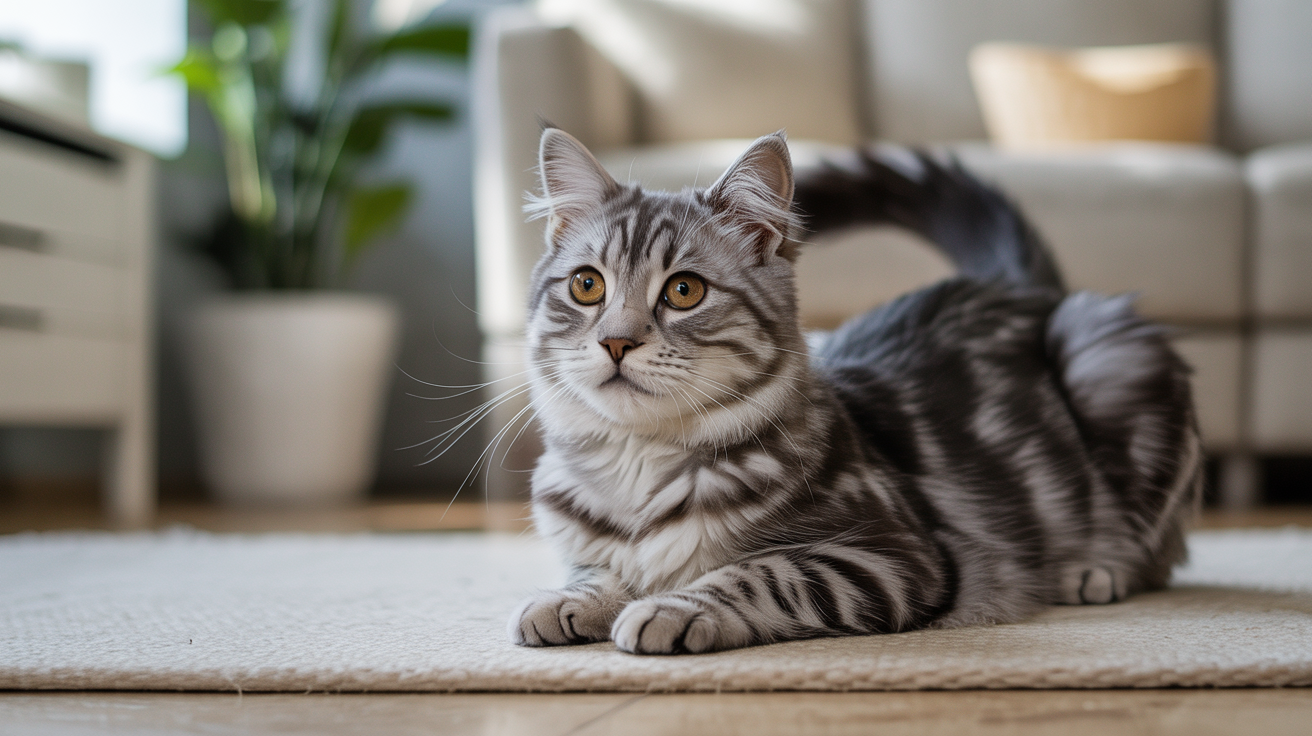
Indoor cats have it pretty comfortable. Warm house, full bowl, a sofa to claim. The downside is that without any real need to hunt, many cats spend twelve or more hours a day sleeping and snacking, and that lifestyle adds up over time. Obesity in cats is genuinely common, and it raises the odds of diabetes, joint trouble, urinary problems, and a shorter life.
The good news is that cats are not couch potatoes by nature. They are ambush predators wired to stalk, sprint, and wrestle. When you give them regular outlets for that instinct, they tend to maintain a healthier weight, get into less trouble around the house, and seem a lot more content. This guide walks through what actually works.
How Cats Are Built to Exercise
Understanding the hunt-catch-kill cycle helps a lot. In the wild, cats do not run laps. They stalk slowly, burst in a sprint, pounce, subdue, and then settle in to eat. The whole sequence might last two or three minutes before the cat is done and needs a rest.
That is why long, continuous play rarely works. Cats check out fast. What keeps them engaged is short, intense sessions that mimic real hunting: a toy that darts unpredictably, freezes, then moves again, just like prey would. Aim for sessions of five to ten minutes, two or three times a day. Most cats can sustain that easily and will tell you when they are tired by walking away or flopping down.
Matching the toy to your cat matters too. Younger, more athletic cats tend to love wand toys that let them run and leap. Older cats or those already carrying extra weight often prefer lower-energy prey, such as a toy that wiggles along the ground rather than one that demands a full vertical jump. Watch what holds your cat's attention and lean into that.
Choosing the Right Toys
A drawer full of toys does not automatically mean an active cat. Toy novelty matters. Cats get bored with the same item fast, so rotating through three or four toys on a weekly cycle tends to work better than leaving everything out at once.
Wand and teaser toys are the most effective tools for interactive play. You control the movement, which means you can adjust the pace to match your cat's energy, slow it down to let them catch it occasionally, and keep them locked in. The "catch" moment matters: if a cat never catches what it is chasing, the game loses its appeal.
Battery-operated and automated toys can fill in on busy days. They work best as a supplement rather than a replacement for you-and-cat play, since many cats figure out that the toy always does the same thing and lose interest within a few weeks.
Solo toys like crinkle balls and springs give cats something to bat around and carry. These are low-intensity but better than nothing, especially for cats who are home alone during the day.
What to skip: laser pointers without a physical conclusion. Many cats find it frustrating to chase something they can never catch. If you use a laser, always end the session by shining it onto a physical toy so your cat gets a real "kill."
Food Puzzles and Slow Feeders
One of the most underused tools for weight management is making your cat work for food. In the wild, getting a meal requires effort. Eating from a bowl in thirty seconds removes all of that.
Food puzzles, also called puzzle feeders, are containers that make a cat roll, paw, or manipulate the toy to release kibble. The benefits are real: the cat eats more slowly (which improves satiety), burns a few extra calories in the process, and gets mental stimulation that boredom-eaters really need.
You do not have to spend money on a commercial puzzle right away. A muffin tin with kibble in each cup, a toilet paper roll folded at both ends, or a shallow dish with a few golf balls sitting in it all slow down eating without any cost.
If your cat inhales wet food and then acts hungry an hour later, the issue is often eating speed. Spreading wet food thinly across a lick mat or a flat plate extends eating time and seems to help with that post-meal restlessness.
Building a Daily Routine
Consistency matters more than any single long play session. Cats are creatures of routine, and they genuinely anticipate regular activity once a pattern is established. Many cats will start hovering near the wand toy at the same time each evening once they learn that is when play happens.
A simple structure that works for most households:
- Morning: Five to ten minutes with a wand toy before or after breakfast. Some cats are most active at dawn, so catching that window can feel effortless.
- Evening: Another five to ten minutes before the last meal of the day. Ending with food mimics the hunt-catch-eat sequence, which is calming and satisfying for cats.
- Midday (if possible): A short session or a food puzzle to break up the quiet hours.
If you have a kitten or a young adult who seems insatiable, two additional short sessions during the day can prevent the 3 a.m. zoomies around your bedroom. Exercise before bed genuinely helps many cats settle.
For multi-cat households, pay attention to whether one cat dominates the toy and leaves others on the sidelines. Separate play sessions for each cat are worth the extra ten minutes.
Managing Weight: What to Watch
Exercise is part of the picture, but food volume and frequency matter just as much. Cats that free-graze (always have dry food available) are much more likely to be overweight than cats fed measured meals.
Talk to your vet about your specific cat's ideal weight and daily calorie needs. Those numbers vary a lot based on age, size, and whether the cat is spayed or neutered. Once you have a target, measuring every meal rather than eyeballing it makes a significant difference.
Signs your cat may be overweight: You should be able to feel your cat's ribs easily without pressing hard. If you have to push through a thick layer to find them, or if you cannot see any waist definition when you look from above, that is worth raising with your vet. Signs your cat is sick and when to call the vet covers a broader range of symptoms that should prompt a check-in.
Weight loss in cats should always happen gradually. Rapid weight loss, or severe calorie restriction, can cause hepatic lipidosis (fatty liver disease), which is serious. A vet-supervised plan is the right approach if your cat is significantly overweight.
On the other end, if your cat is losing weight without an obvious dietary explanation, that warrants a vet visit. Weight loss is one of the earlier signs of conditions like hyperthyroidism or kidney disease.
Keeping up with core vaccines every cat needs and scheduling annual checkups gives your vet a baseline to catch subtle weight changes before they become a problem. And while you are thinking about your cat's overall health routine, at-home cat dental care and why it matters is worth reading, since dental disease is another common issue in indoor cats that owners can do a lot to prevent.
Frequently Asked Questions
How much exercise does an indoor cat actually need? Most adult cats benefit from two to three focused play sessions per day, around five to ten minutes each. That adds up to fifteen to thirty minutes of active play. Kittens and young adults usually need more, senior cats a bit less. Quality matters more than duration; a fully engaged five-minute session beats a half-hearted twenty-minute one.
My cat is not interested in toys. What can I try? Some cats need reintroduction, especially if they were never played with much. Try dragging a toy slowly under a blanket so only a small movement is visible. Feathers and fur-textured toys tend to trigger prey drive more reliably than plastic or foam. Give it a few sessions before writing off a toy type, and try playing when your cat is naturally more alert, usually around dusk or dawn.
Can I walk my cat outside to help with exercise? Yes, with the right setup. Harness-trained cats can enjoy supervised outdoor time on a leash. It takes patience to harness-train, but many cats adapt. A catio (enclosed outdoor enclosure) is another option that gives cats fresh air and environmental stimulation without the risk of traffic or other animals. Introduce any outdoor access gradually.
How do I know if my cat is at a healthy weight? Run your hands along your cat's ribcage. You should feel individual ribs without pressing hard, covered by just a thin layer of tissue. From above, there should be a slight inward curve behind the ribs. From the side, the belly should not sag noticeably. If you are unsure, your vet can give your cat a body condition score, which is a standardized scale from 1 to 9 where 4 to 5 is ideal.
Does spaying or neutering really affect weight? It can, yes. Altered cats have somewhat lower metabolic rates and may eat more. This does not mean weight gain is inevitable, but it does mean portion control becomes more important after the procedure. Ask your vet whether the daily calorie recommendation should change at that point.