Nutrition & Feeding
Human Foods Cats Can and Can't Safely Eat
A practical guide to which human foods are safe for cats and which are toxic — with a quick-reference table and vet-flag warnings.
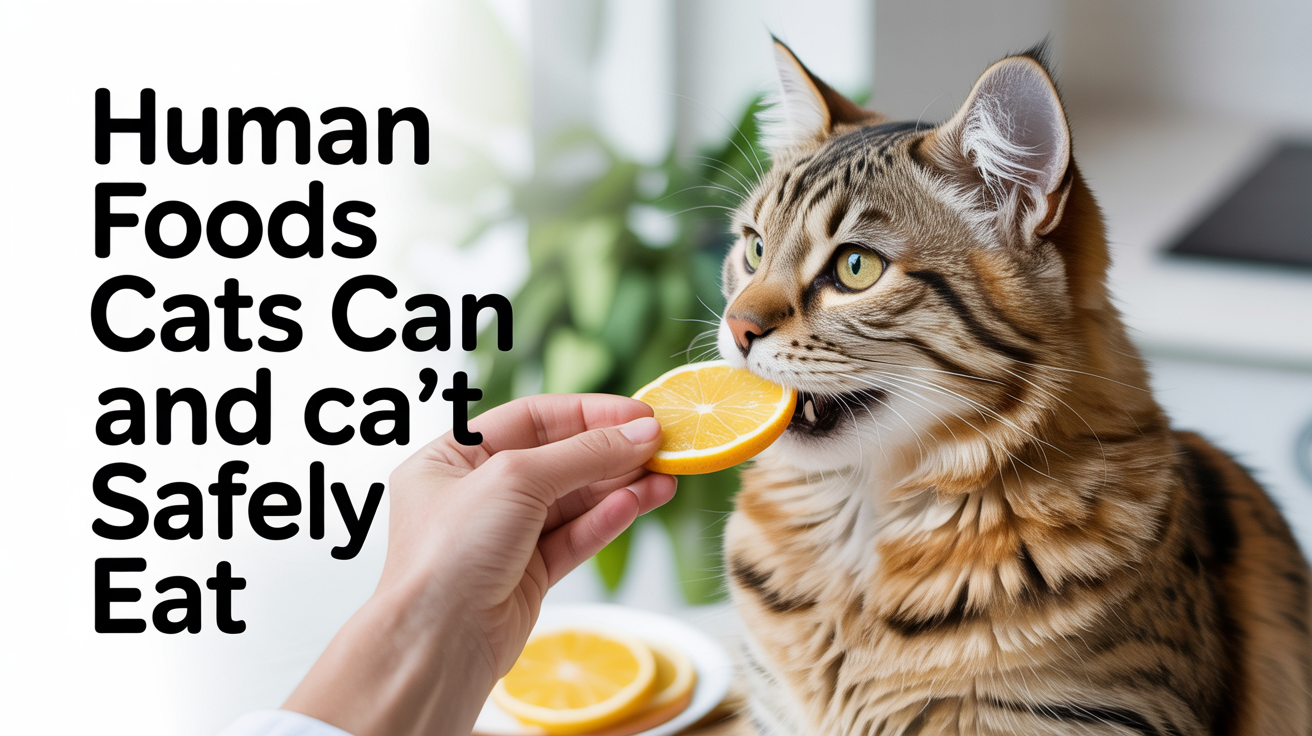
Cats are obligate carnivores, so most of what ends up on your plate isn't something they need. That said, a few human foods are genuinely safe in small amounts, and knowing the difference can be lifesaving. Here's a straightforward breakdown of what's fine to share, what to keep far away, and when a phone call to your vet is non-negotiable.
At a Glance
- Cooked lean meat, cooked egg, and small amounts of cooked fish are the safest human foods to share, plain, no seasoning, no bones.
- Onions, garlic, chives, leeks, grapes, raisins, xylitol, chocolate, caffeine, and alcohol are genuinely dangerous, some with no known safe amount.
- Treats and extras should stay under 10% of daily calories; the rest should come from a complete, balanced cat food.
- Symptoms from some toxins (grapes, Allium vegetables) can take 24 to 72 hours to show up, so don't wait to call your vet just because your cat looks fine right now.
- When in doubt, check the ASPCA Animal Poison Control Center's list of foods to avoid or call your vet before offering anything new.
Safe human foods cats can eat (in small amounts)
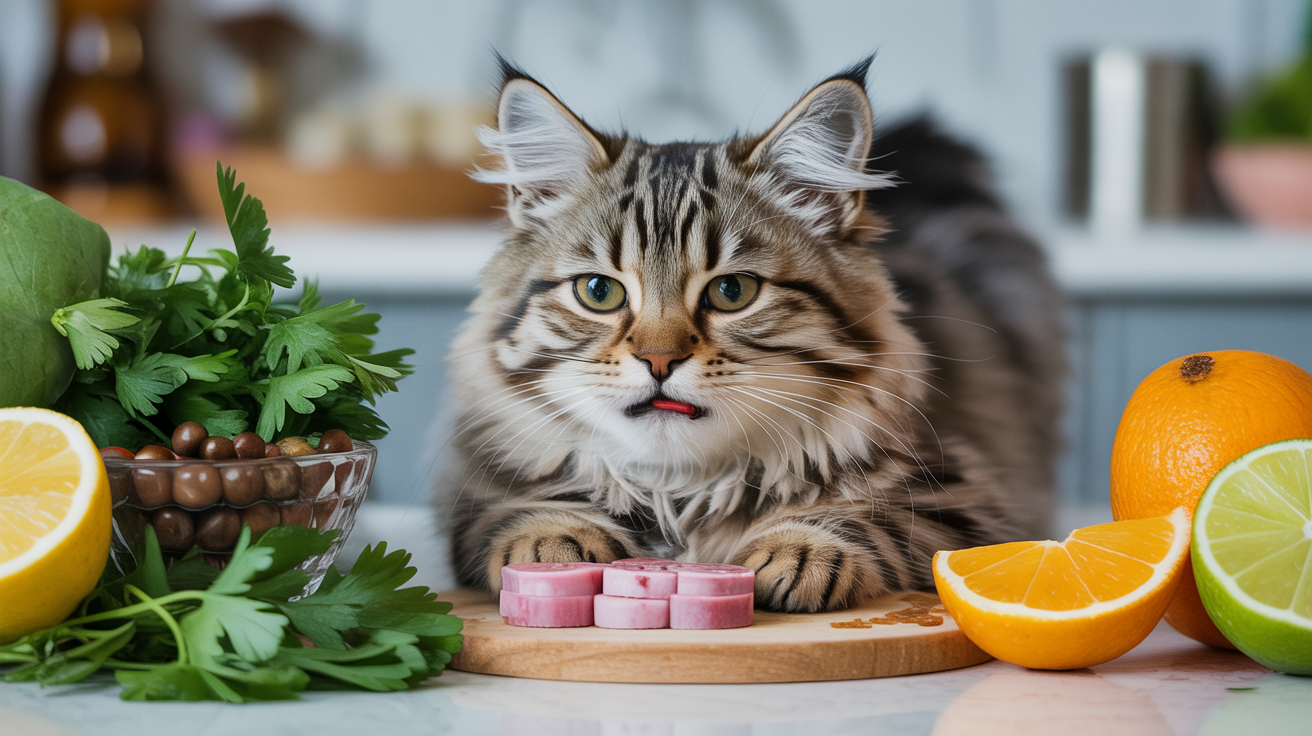
None of these should replace a balanced cat diet. Think of them as occasional extras, a bite or two, not a regular side dish. If you're unsure how much your cat should be eating overall, the amounts vary quite a bit by weight and life stage, so it's worth reviewing a feeding guide by weight before adding anything new.
Cooked lean meats are probably the safest thing you can share. Plain chicken, turkey, or beef, boiled or baked, no seasoning, no bones, is biologically appropriate and most cats go wild for it. A few grams as a treat is fine, roughly the size of a thumbnail for an average 10-pound cat. Raw meat carries bacterial risk (salmonella, listeria), so stick to cooked.
Cooked fish (salmon, tuna, cod) is okay in very small amounts. The caveat: tuna in particular is high in mercury and low in the nutrients cats need, so "occasionally" means once a week at most, and not as a staple. Canned tuna packed in water, no salt added, is safer than oil-packed.
Cooked eggs are a decent protein source for cats. Scrambled or hard-boiled, no butter, no salt. A small piece, about a teaspoon, a couple of times a week won't cause problems for most cats.
Plain cooked rice or oatmeal can help settle a mildly upset stomach. These aren't nutritious for cats in any meaningful way, but they're harmless in tiny quantities, a tablespoon or two mixed into their regular food.
Blueberries and cantaloupe are two fruits cats can eat without issue. Most cats will ignore them entirely, cats can't taste sweetness, but if yours is curious, a small piece is harmless.
Plain cooked vegetables like steamed broccoli, zucchini, or green beans are fine. No garlic, no onions, no seasoning. Again, cats won't benefit much nutritionally, but they won't be harmed either.
Foods that are toxic to cats, keep these away entirely
This is the part that matters most. Several common household foods are genuinely dangerous, and some can cause organ failure even in small amounts. The Cornell Feline Health Center lists grapes, onions, raisins, avocados, xylitol, and chocolate among the substances that can be "severely disabling to a cat," and the list below covers the ones that come up most often in real households.
The serious ones
Onions, garlic, chives, and leeks, all members of the Allium family, damage red blood cells and cause hemolytic anemia. This includes powdered and cooked forms, not just raw. Even a small amount of onion powder in a sauce or broth is enough to cause problems over time, and the effect is cumulative, meaning repeated small exposures can add up even if no single dose looks dangerous.
Grapes and raisins can cause sudden kidney failure in cats, though the exact toxic compound still isn't fully understood. There's no known safe amount. Don't share either, and be careful with foods that hide them, trail mix, some granola bars, and fruit cake are common culprits.
Xylitol is an artificial sweetener found in sugar-free gum, some peanut butters, and certain baked goods. It causes a rapid drop in blood sugar and can lead to liver failure. Read labels carefully. Manufacturers reformulate products regularly, so a brand that was safe last year may not be today.
Alcohol in any form is toxic, cats have no ability to metabolize it. This includes vanilla extract, which is alcohol-based, and unbaked bread dough, which produces alcohol as it rises.
Caffeine (coffee, tea, energy drinks, some medications) causes rapid heart rate, tremors, and seizures. A cat lapping up a small spill of coffee is worth calling your vet about. A single teaspoon of ground coffee can contain enough caffeine to affect a small cat.
Chocolate and cocoa contain theobromine, which cats can't break down efficiently. Dark chocolate and baking chocolate are the most dangerous, roughly ten times more concentrated than milk chocolate, but all forms should be off the table.
Raw dough with yeast expands in the stomach and produces alcohol as the yeast ferments. Both effects are dangerous, and the expansion alone can cause a life-threatening blockage even before the alcohol is absorbed.
Quick-reference table
| Food | Safe for cats? | Notes |
|---|---|---|
| Cooked chicken / turkey | Yes | Plain, no bones, no seasoning |
| Cooked salmon / white fish | Small amounts | Avoid high-mercury fish regularly |
| Cooked egg | Yes | No butter, no salt |
| Blueberries | Yes | Most cats ignore them |
| Plain cooked rice | Yes | Small amounts only |
| Broccoli, zucchini, green beans | Yes | Cooked, plain |
| Milk / cream | Generally no | Most adult cats are lactose intolerant |
| Onions / garlic / leeks | No | Toxic, all forms |
| Grapes / raisins | No | Kidney failure risk |
| Xylitol | No | Found in sugar-free products |
| Chocolate | No | All types dangerous |
| Caffeine | No | Coffee, tea, energy drinks |
| Raw dough | No | Yeast expansion and alcohol production |
| Alcohol / vanilla extract | No | No safe amount |
How fast symptoms show up
Timing matters because it changes how you react. Some reactions are immediate; others take days to become obvious, which is exactly why "my cat seems fine" isn't a reason to wait.
| Toxin | Typical onset | Early signs |
|---|---|---|
| Chocolate / caffeine | 1 to 4 hours | Vomiting, restlessness, rapid heart rate |
| Xylitol | 30 minutes to 1 hour | Weakness, wobbliness, low blood sugar |
| Alcohol | 30 to 60 minutes | Disorientation, vomiting, low body temperature |
| Onions / garlic (single large dose) | 1 to several days | Lethargy, pale gums, dark urine |
| Grapes / raisins | 24 to 72 hours | Vomiting, reduced appetite, increased or decreased urination |
A note on dairy
Milk and cream come up a lot because of the cultural image of a cat lapping up a saucer of milk. In reality, most adult cats are lactose intolerant, kittens lose much of the enzyme needed to digest lactose after weaning. A small amount won't kill them, but it commonly causes diarrhea and stomach upset within a few hours. Hard cheeses have less lactose and are fine as an occasional tiny treat, a pea-sized piece of cheddar, but dairy isn't something to offer regularly.
When to call your vet immediately
If you know or suspect your cat ate any of the following, don't wait to see how they feel, contact your vet or an emergency animal hospital right away:
- Grapes or raisins (any amount)
- Onions, garlic, or anything from the Allium family
- Xylitol-containing products
- Chocolate or cocoa
- Alcohol or products containing alcohol
- Caffeine
Symptoms to watch for include vomiting, diarrhea, lethargy, weakness, pale or yellow gums, difficulty breathing, tremors, or collapse. Kidney and liver damage from some toxins may not be obvious for 24 to 72 hours, which is why acting immediately matters even if your cat seems fine. If you can't reach your regular vet, an emergency clinic or an animal poison control hotline can tell you whether the amount eaten needs a visit or just monitoring at home.
How to introduce new foods safely
If you want to share safe foods with your cat, start with a very small amount, a fingernail-sized piece of chicken, for example, and wait 24 hours to see how they respond. Some cats have sensitive stomachs even with technically safe foods.
Introducing anything new while also switching your cat's regular food is a recipe for confusion about what caused any digestive upset. If you're changing their main diet, it's worth reading up on how to switch cat foods without an upset stomach first, so you're making one change at a time.
It's also worth thinking about where any human food fits in your cat's overall calorie picture. Treats and extras, even healthy ones, should make up no more than 10% of daily calories. For an average 10-pound cat eating around 200 calories a day, that's a ceiling of about 20 calories from extras, which is roughly one heaping tablespoon of cooked chicken. The balance should come from a complete, balanced cat food. If you're currently debating wet vs. dry food, that choice also affects how much room there is for extras, since wet food is more filling per calorie.
Frequently asked questions
Can cats eat peanut butter?
Most peanut butter is safe in tiny amounts, a small lick won't hurt. The big exception is any peanut butter containing xylitol, which is toxic. Check the label every time, since formulations change. Peanut butter is also high in fat, so it's not something to offer regularly, and it's a choking risk if fed straight off a spoon in a large glob rather than a thin smear.
Can cats eat cooked chicken bones?
No. Cooked bones splinter and can puncture the esophagus, stomach, or intestines. Raw bones from a reputable raw-feeding supplier are sometimes given by experienced raw feeders, but cooked bones of any kind are a choking and perforation hazard.
My cat ate a small piece of onion. What should I do?
Call your vet. A single small exposure probably won't cause obvious symptoms right away, but Allium toxicity builds up and can cause anemia. Your vet may want to induce vomiting or monitor blood work depending on the amount consumed and how long ago it happened.
Is tuna safe for cats?
In small amounts, occasionally, yes. As a regular diet, no. Tuna is nutritionally imbalanced for cats, too high in mercury with repeated feeding, and can become addictive to the point where some cats refuse to eat anything else. A bit of plain, water-packed tuna as an occasional treat is fine.
Can kittens eat the same human foods as adult cats?
The same toxic foods are dangerous for kittens, and often more so because of their smaller size, a dose that barely affects an adult cat can be serious in a two-pound kitten. For safe foods, the principle holds but the portions should be even smaller. Kittens also have very different calorie and nutrient needs than adult cats, so human food extras are less appropriate during those first months when balanced growth nutrition matters most.
What if my cat just smelled or licked something toxic, but didn't eat much?
Licking a small amount off a plate is different from eating a full portion, but for the highest-risk foods (grapes, xylitol, chocolate, onions), it's still worth a call to your vet rather than assuming it's fine. Describe exactly what and roughly how much, since that changes whether they recommend watching at home or coming in.
This article is general guidance for cat owners, not veterinary advice, if your cat has eaten something you're unsure about or is showing any symptoms, please consult a licensed vet.