Nutrition & Feeding
How Much to Feed a Cat, by Weight and Life Stage
A practical cat feeding chart with portion sizes by weight and life stage, plus calorie guidelines and answers to the most common feeding questions.
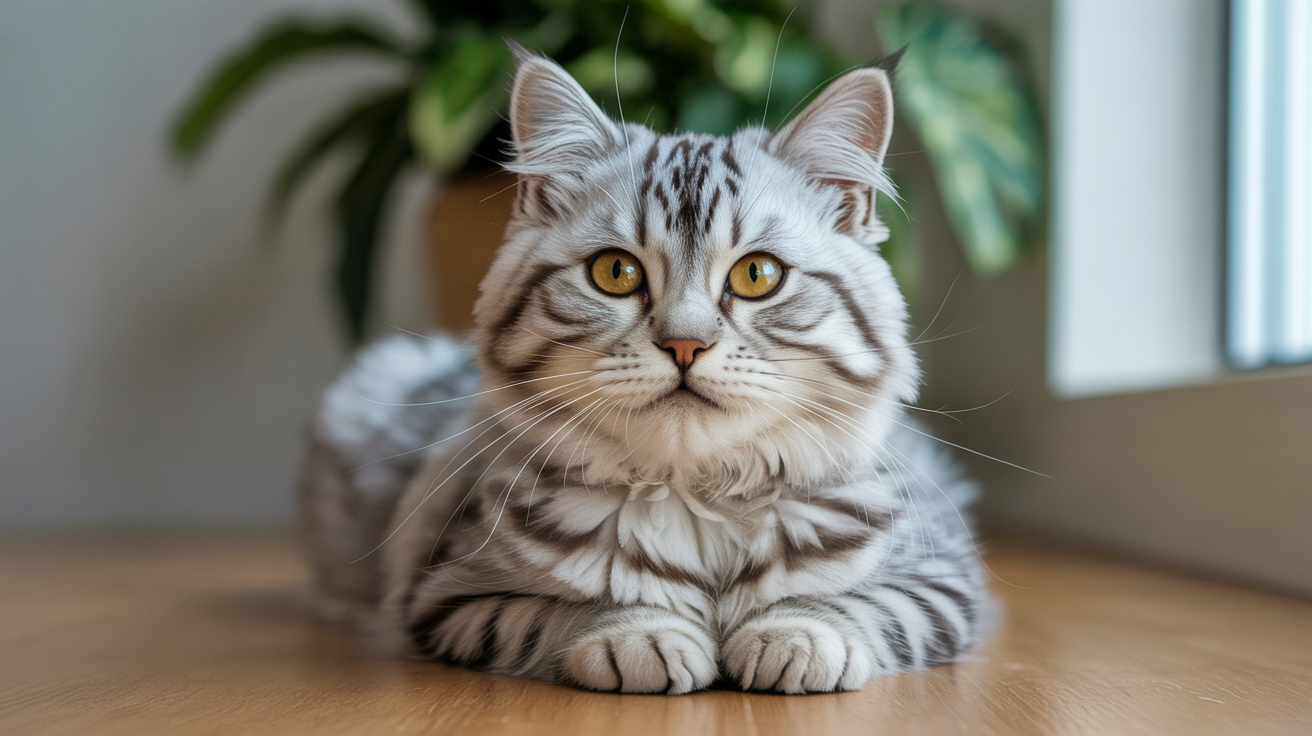
Most cat owners have stood in front of a food bowl wondering whether they're overfeeding, underfeeding, or just guessing. The honest answer: the back-of-the-bag guidelines are a starting point, not a verdict. What actually matters is your cat's weight, age, activity level, and whether they're eating wet food, dry food, or some combination of both.
Here's how to work out a realistic portion, and how to adjust it as your cat's needs change.
At a Glance
- Track calories, not cups. Most adult cats need 20–35 calories per pound of body weight daily.
- Neutering lowers calorie needs by roughly 20–25% compared to an intact cat of the same size.
- Kittens need roughly double the calories per pound of an adult, split across three or four meals a day.
- Feel for ribs easily, see a slight waist from above: that's the fastest home check on whether portions are right.
- Weigh food on a kitchen scale, not by scooping, since cup measurements vary with how tightly kibble is packed.
- A steady loss of half a pound or more over a few months in a senior cat is a vet visit, not a feeding tweak.
Why there's no single right answer
A 6-pound senior cat lounging in a sunbeam has completely different needs from a 10-pound neutered adult who still acts like a kitten. Food type matters too: wet food is roughly 70–80% water, so a cat eating only wet food needs a much larger volume to hit the same calorie target as one eating dry kibble.
Calories are the real unit to track. Most adult cats need somewhere between 20 and 35 calories per pound of body weight per day, with lean, active cats at the higher end and older or less active cats closer to the lower end. Neutering lowers calorie needs by roughly 20–25% compared to intact cats of the same size. Cornell's Feline Health Center points to obesity as the most common nutrition-related problem in cats, and one that raises the odds of arthritis and diabetes later, which is part of why getting the daily calorie target right matters more than picking the "best" brand on the shelf.
A 10-pound neutered adult in average health needs roughly 200–250 calories daily. That same cat left intact might need 250–300.
Cat feeding chart by weight
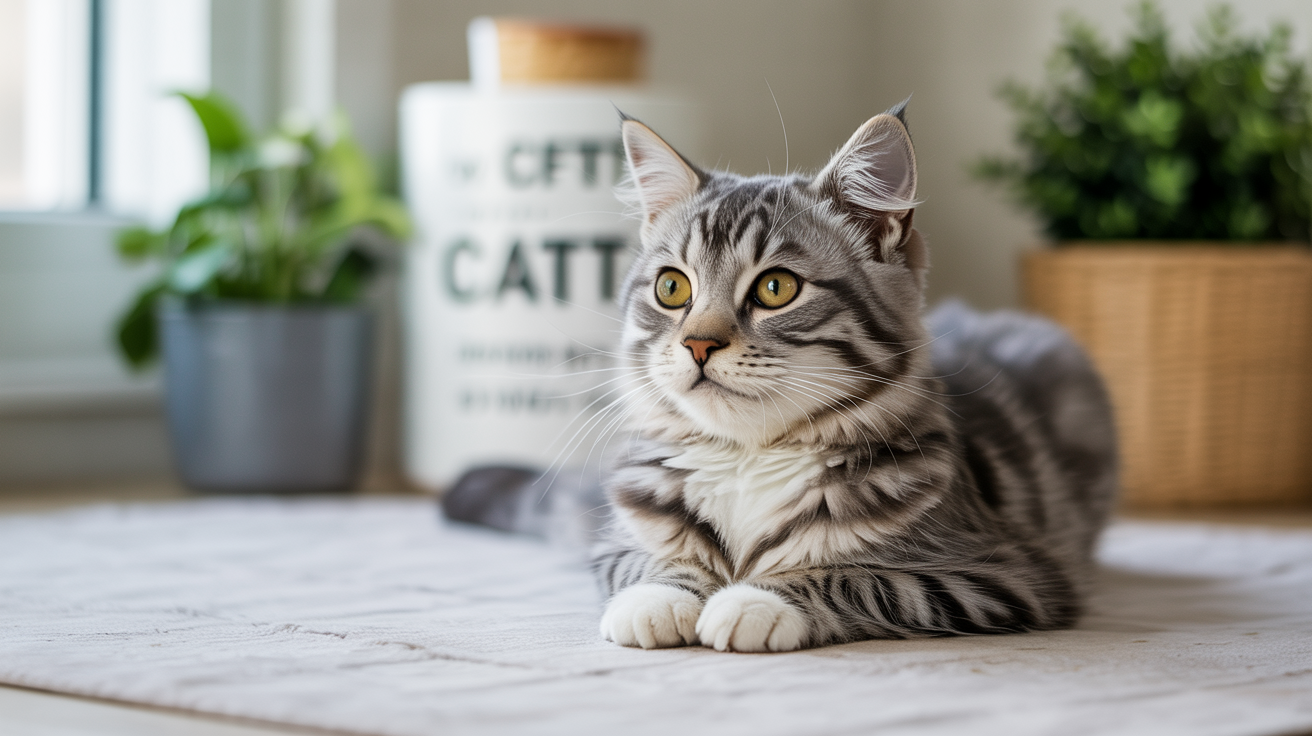
These figures are rough daily calorie targets for typical adult cats. Use them alongside the specific feeding guide on your food's packaging, since calorie density varies a lot by brand and formula.
| Body weight | Lean/active (cal/day) | Average adult (cal/day) | Overweight or sedentary (cal/day) |
|---|---|---|---|
| 5 lb (2.3 kg) | 130–155 | 100–125 | 80–100 |
| 8 lb (3.6 kg) | 200–240 | 160–200 | 130–160 |
| 10 lb (4.5 kg) | 250–300 | 200–250 | 160–200 |
| 12 lb (5.4 kg) | 295–360 | 240–295 | 190–240 |
| 15 lb (6.8 kg) | 370–445 | 295–370 | 240–295 |
To translate calories into a serving size: check the kcal/kg or kcal/cup figure on your food's label. Divide your cat's daily calorie target by that number to get the daily portion in cups or grams. If you're mixing wet and dry, split the calorie target between the two and calculate each separately.
If your food doesn't list calorie density on the bag, reading a cat food label becomes a lot harder. Most reputable brands post it on their website if it's not on the packaging.
Worked example
Say you have an 8-pound neutered adult, average activity, so a target of roughly 180 calories a day. Their dry food lists 380 kcal per cup. Divide 180 by 380 and you get about 0.47 cups, call it just under half a cup, split into two meals of around 1 ounce (roughly a quarter cup) each. If you're feeding wet food instead, at a typical 30 calories per ounce, that same 180-calorie target works out to about 6 ounces of food a day, or two 3-ounce meals. Mixing both means splitting the target: half the calories from each source, then doing the math separately for each so you're not accidentally doubling up.
Feeding by life stage
Kittens (up to 12 months)
Kittens have tiny stomachs and enormous energy needs. A 3-month-old kitten needs roughly twice the calories per pound of body weight that an adult cat does. Three or four small meals a day works better than two larger ones, because their stomachs simply can't hold much at once.
Wet food is particularly useful here. It's easier to eat, higher in protein and moisture, and supports healthy kidney development. Some owners free-feed dry kibble alongside scheduled wet meals during kittenhood, which is reasonable as long as the kitten stays at a healthy weight.
By around 6 months, growth slows down a little. By 12 months, most cats can transition to adult food and adult feeding schedules.
Adult cats (1–7 years)
Most adult cats do well on two meals per day, roughly 12 hours apart. Scheduled meals rather than free-feeding make it much easier to notice if a cat's appetite changes (which can be an early sign of illness) and help prevent the slow weight creep that affects a lot of indoor cats.
Portion size at this stage comes down to actual body condition rather than age alone. Run your hands along your cat's sides: you should be able to feel the ribs easily but not see them, and there should be a slight waist visible from above. If you can't feel the ribs at all, portions are probably too large. The WSAVA Global Nutrition Guidelines include a standardized 9-point body condition scoring chart that many vet clinics use at every visit precisely because a hands-on check catches weight drift that a bathroom scale alone would miss for weeks.
If you're switching from one food to another, keep the total daily calorie amount consistent rather than just matching the old cup measurement, since calorie density often differs between formulas.
Senior cats (7+ years)
Older cats get more complicated. Some seniors lose weight and muscle mass and actually need more calories or higher-protein food to maintain condition. Others slow down dramatically and become overweight. You can't generalize for the whole group.
Weigh the cat monthly if possible. A steady weight loss of half a pound or more over a few months in an older cat is worth a vet visit, not a feeding adjustment you make on your own. Hyperthyroidism, kidney disease, and dental pain are all common in older cats and all affect how well they absorb or consume food.
Many vets recommend twice-yearly checkups for cats over 7, partly because conditions that affect appetite and nutrient absorption tend to show up then. The 2021 AAHA/AAFP Feline Life Stage Guidelines specifically recommend senior cats be seen at least every six months, with more frequent visits for cats managing an ongoing condition like kidney disease or diabetes.
Wet food, dry food, or both
There's no rule that says a cat must eat one or the other. Choosing between wet and dry food depends on your cat's hydration habits, dental situation, weight, and honestly, what they'll actually eat.
A few practical points on portion math when mixing:
- Wet food typically runs 25–40 calories per ounce, depending on the formula.
- Dry kibble is more calorie-dense: usually 300–450 calories per cup.
- If your cat eats both, calculate how many calories each contributes and make sure the total hits the daily target, not each meal separately.
Cats who eat exclusively dry food often drink noticeably less water, which matters for urinary health over time. Adding even a small wet meal can increase daily water intake meaningfully.
Practical tips for getting portions right
- Weigh food with a kitchen scale rather than scooping by volume. Cup measurements vary by how tightly the kibble is packed.
- Check your cat's body condition every few weeks, not just at annual vet visits.
- If your cat is consistently leaving food or begging after meals, adjust the portion by about 10% in either direction and wait two weeks before changing again.
- Puzzle feeders and slow bowls reduce boredom eating and make dry food portions last longer, which can help weight-prone cats.
- Treats count. If your cat gets treats regularly, factor those calories into the daily total. Most treats run 2–5 calories each, which adds up faster than you'd expect.
- Keep a simple log for the first couple of weeks on a new portion: date, weight, and a one-word note on body condition. Patterns show up faster in writing than in memory.
Frequently asked questions
How many times a day should I feed my cat?
Two meals a day works well for most adult cats. Kittens under 6 months do better with three or four smaller meals. Older cats or cats with certain health conditions may need adjusted schedules, so it's worth checking with your vet if you're unsure.
My cat acts hungry all the time. Are they actually underfed?
Not necessarily. Cats are skilled at appearing hungry regardless of how much they've eaten. Check their body condition first: if you can feel the ribs easily and see a waist, they're probably at a healthy weight. Some cats beg out of boredom or habit rather than actual hunger. Puzzle feeders and scheduled meals rather than free-feeding often help.
How many calories does a cat need per day?
Most adult cats need roughly 20–35 calories per pound of body weight daily, depending on activity level, neuter status, and age. A 10-pound neutered adult typically needs around 200–250 calories. Kittens need roughly double that per pound of body weight. Your vet can give you a more precise target based on your cat's individual health.
Should I change portions as my cat gets older?
Yes, and it's worth reassessing every year or two. Many cats need fewer calories as they age and slow down, but some older cats (especially those over 12) actually need more. Body weight and body condition are better guides than age alone.
Can I free-feed dry food instead of measuring portions?
Some cats regulate themselves fine. Others do not and will overeat until they're significantly overweight. If your cat is at a healthy weight and has been free-fed dry food without gaining, it's probably not causing harm. If weight has crept up or you're not sure, switching to scheduled meals with a measured portion is the more controlled option.
What if two cats in the household eat different amounts of food?
Separate feeding stations, timed feeding, or a microchip feeder that only opens for one cat's chip are the most reliable fixes. Free-feeding two cats from the same bowl makes it almost impossible to know who is actually eating how much, and it's a common reason one cat gains weight while another loses it without an obvious cause.
This article is general guidance for healthy cats; it's not a substitute for advice from a vet who can examine your individual cat.