Nutrition & Feeding
How to Switch Cat Foods Without an Upset Stomach
Learn how to switch cat food safely using a 7-10 day gradual transition, plus what to watch for and when to slow down.
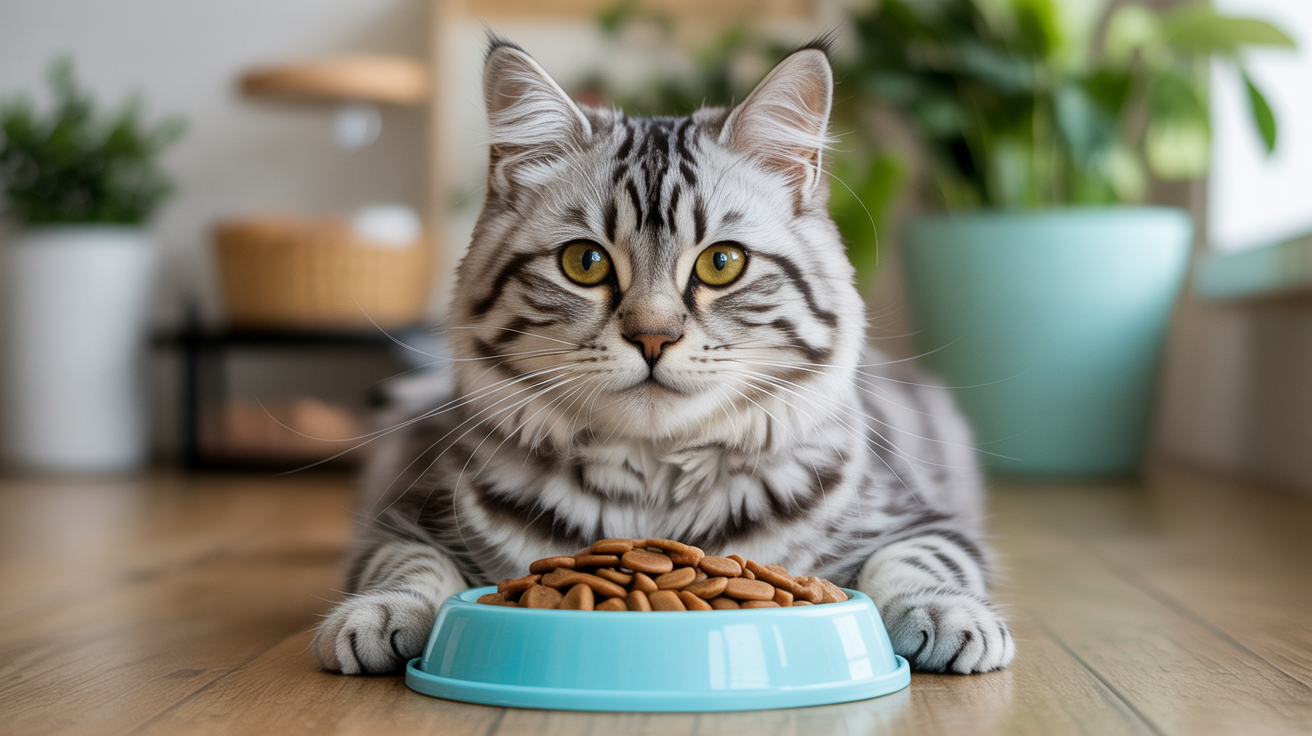
Switching your cat's food doesn't have to mean a week of loose stools and a suspicious cat who won't go near the bowl. The key is a slow, methodical transition that gives your cat's gut bacteria time to adjust. Most healthy adult cats handle a change in 7 to 10 days; kittens and seniors sometimes need two weeks.
Why cats get upset stomachs when their food changes
Cats are obligate carnivores with digestive systems built around consistency. Unlike dogs, they don't have a lot of metabolic flexibility when it comes to rapidly shifting protein or fat sources. A sudden swap can disrupt the microbial balance in the gut, leading to soft stools, vomiting, or a flat-out food strike.
Some cats are also just sensitive by nature. If your cat has had GI issues in the past, or if you're switching from a very low-fiber dry food to a high-moisture wet food, expect the transition to take longer than the standard timeline.
There's also a texture and smell component. Cats have far fewer taste receptors than we do, but they're extremely sensitive to aroma and mouthfeel. A new food smells and feels different, which can trigger suspicion even before they've tasted it.
The 7-10 day transition schedule
This is the method that works for most cats. Adjust the pace if your cat shows any GI symptoms.
| Day | Old food | New food |
|---|---|---|
| 1–2 | 75% | 25% |
| 3–4 | 60% | 40% |
| 5–6 | 40% | 60% |
| 7–8 | 25% | 75% |
| 9–10 | 0% | 100% |
Weigh the portions if you can, especially if you're switching between dry and wet food where volume comparisons aren't straightforward. For context on how much to actually feed at each life stage, our guide on how much to feed a cat by weight and life stage has the specific numbers.
If your cat has soft stools at any point, pause and stay at that ratio for an extra two or three days before moving forward. Don't push through symptoms.
Signs you're going too fast
You don't need to rush. Watch for these signals that you should slow down:
- Loose stools or diarrhea more than one day in a row
- Vomiting after meals (once is common; twice in a day is a signal to pause)
- Skipping meals entirely or eating only the old portion and leaving the new food
- Lethargy or any change in litter-box behavior
Skipping a meal is less worrying than two or three refusals in a row. Cats can develop hepatic lipidosis (fatty liver disease) if they stop eating for more than 48 to 72 hours, so if your cat is genuinely refusing food for more than a day, back up to the previous ratio and call your vet if it continues.
Switching between wet and dry food
Going from dry to wet (or the reverse) is a bigger jump than swapping one kibble for another. The moisture content, texture, and caloric density are all different.
If you're moving toward wet food, start by adding a very small amount, maybe a teaspoon, on top of the existing dry food so the cat at least smells it. Some cats won't touch wet food at first because it's unfamiliar. Warming it slightly (15 seconds in the microwave, stirred well) can help with palatability.
Going the other direction, from wet to dry, often means your cat will be less interested in the new food. Dry food is less aromatic, and some cats find the switch boring. If you're making this change, it's worth understanding the nutritional trade-offs first. Our piece on wet vs. dry cat food and how to choose breaks down the practical differences.
One thing to watch: calorie density. Dry food is typically more calorie-dense by volume than wet food. If you switch from wet to dry without adjusting portions, your cat may gain weight. If you're unsure what's actually in the new food, learning to read a cat food label is genuinely useful before you commit to a new brand.
Special cases that need a longer runway
Most healthy adult cats do fine with the 7-10 day timeline. A few situations call for more caution:
Kittens under 6 months. Their digestive systems are still maturing. Two weeks is a safer target, and avoid switching food more than once in a short period.
Senior cats (11+). Older cats can have less gut resilience and may be on prescription diets that interact with a new food. Get your vet's input before changing anything.
Cats with a history of IBD, food allergies, or chronic GI issues. These cats sometimes need a 3-4 week transition with even smaller incremental changes. A sudden switch can trigger a flare.
Cats switching to a prescription or therapeutic diet. Follow your vet's specific instructions. Some prescription foods require different transition protocols than over-the-counter options.
Frequently asked questions
How long does it really take to switch cat food?
For a healthy adult cat with no history of GI problems, 7 to 10 days is typical. Sensitive cats, kittens, and seniors often need 14 days or more. The right pace is whatever doesn't cause symptoms, not a fixed number of days.
My cat refuses to eat the new food at all. What should I do?
Start with a smaller ratio than 25%. Some cats need to see only a thin dusting of new food on top of their current food before they'll accept it. You can also try mixing a tiny amount of something palatable (low-sodium chicken broth, a bit of the wet food gravy) to make the new food more interesting. If the cat hasn't eaten in more than 24 hours, go back to 100% old food and try again more gradually.
Can I switch cat food cold turkey in an emergency?
Sometimes you have no choice, for example if a brand is discontinued or your cat has a reaction and needs to stop the current food immediately. In that case, watch closely for GI symptoms and be ready to call your vet if vomiting or diarrhea is severe or lasts more than a day or two. Some cats handle an abrupt switch fine; many don't.
Is it normal for my cat's poop to change during a food transition?
Yes, somewhat. Slightly softer stools or a different color during the first few days is normal as the gut adjusts. Watery diarrhea, blood in the stool, or symptoms that persist beyond a couple of days are reasons to slow down and talk to your vet.
How often should I change my cat's food?
There's no rule that says you need to rotate foods regularly. Some cats do well on one food for years. Others benefit from variety. If your cat is healthy and eating well, there's no urgent reason to change, though expanding to a second protein source while healthy can make future transitions easier if you ever need to switch for medical or availability reasons.
This article is general guidance for healthy cats. For anything involving your cat's individual health, a pre-existing condition, or symptoms that concern you, please consult a licensed veterinarian.