Grooming & Care
How to Clean Your Cat's Ears and Eyes Safely
Learn how to clean cat ears and wipe away eye discharge at home — what's normal, what to use, and when to call the vet.
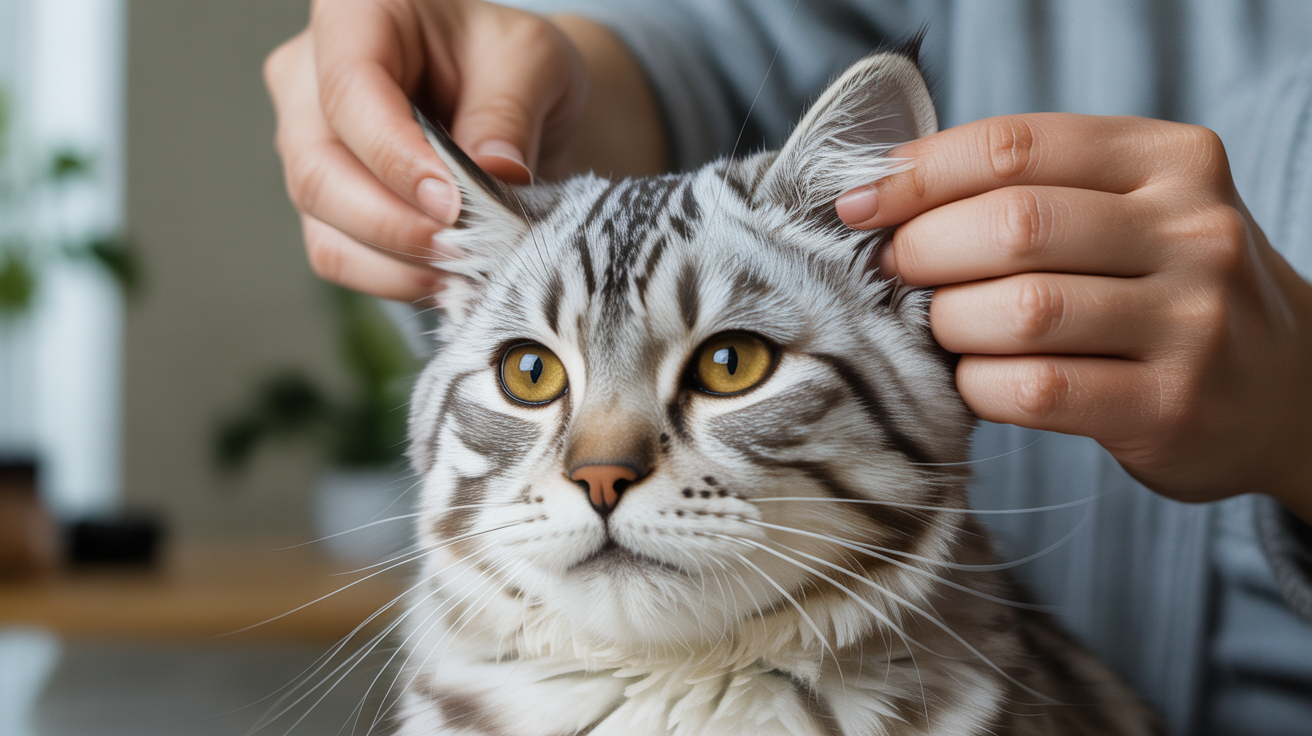
Most cats keep themselves impressively clean, but ears and eyes are two spots they genuinely can't reach on their own. A quick check every week or two catches small problems before they become vet visits. Here's how to do it safely, without stressing your cat or yourself out.
What you'll need before you start
Keep everything within arm's reach before you bring your cat over. Once you've got a hold of them, the last thing you want is to go hunting for a cotton ball.
- Veterinary ear cleaner (a pH-balanced solution, not rubbing alcohol or hydrogen peroxide)
- Cotton balls or gauze pads
- Saline eye wash or sterile eyewash pads (the kind formulated for eyes)
- A soft towel to wrap a squirmy cat
- Treats
That's it. Q-tips have a place in ear cleaning but only for the outer ear folds, never insert one into the ear canal. The canal in cats curves at a fairly sharp angle, and pushing debris deeper is worse than leaving it alone.
How to clean your cat's ears
First, look before you touch
Hold your cat gently under good light and fold back one ear. A healthy cat ear should be pale pink, clean, and faintly waxy at most. Some light tan wax is completely normal. What you don't want to see:
- Dark brown or black debris (often resembles coffee grounds)
- A strong, yeasty, or sour odor
- Redness or swelling along the inner flap
- Excessive scratching at the ear, or your cat tilting their head to one side
Dark crumbly buildup combined with scratching is a classic sign of ear mites. Yeasty smell often points to a yeast infection. Both need a vet diagnosis before you start cleaning, because aggressive cleaning can push things further in and irritate already-inflamed tissue.
If the ear looks a little dusty and your cat isn't bothered, you're fine to clean it yourself.
The cleaning steps
- Warm the ear cleaner bottle in your hands for a minute. Cold liquid in the ear startles cats and makes them pull away.
- Hold the ear flap up and apply enough cleaner to fill the canal without overflowing, usually 5–10 drops.
- Gently massage the base of the ear for about 20–30 seconds. You'll hear a faint squishing sound; that's the cleaner loosening debris.
- Let your cat shake their head. This brings loosened wax up to where you can reach it.
- Wipe the outer canal and ear folds with a cotton ball, turning it as it picks up gunk. Repeat with a fresh cotton ball until it comes out clean.
Don't force more than one cleaning session if your cat is getting upset. Two or three minutes of resistance is your cue to stop, give a treat, and try again later.
If you have a long-haired cat and you're already working through a regular grooming routine, it's worth doing ears at the same time as brushing their coat, they're already in a calm handling mindset and you've got the towel out anyway.
How often to clean
For most cats with healthy ears, once a month is plenty. Cats prone to wax buildup or with a history of ear infections may need it every two weeks. Some cats (particularly hairless breeds like the Sphynx) produce noticeably more wax and benefit from weekly checks.
How to clean your cat's eyes
Normal discharge vs. something to watch
A small amount of discharge in the inner corners of the eyes, sometimes called "sleep" or "eye boogers", is normal. It's typically brown or rust-colored when dry, and clear or slightly grey when fresh. It accumulates overnight and is easy to miss on dark-coated cats.
What warrants a vet call:
- Green or yellow discharge (suggests bacterial infection)
- One eye running significantly more than the other
- Squinting, pawing at the eye, or obvious discomfort
- Cloudiness over the eye surface
- Discharge that returns quickly after wiping, every day
Flat-faced (brachycephalic) breeds like Persians and Exotic Shorthairs tend to have more tear drainage just by virtue of their anatomy. If you have one, daily or every-other-day wiping is often part of normal care rather than a sign of a problem.
Wiping technique
Use a saline-soaked cotton pad or a sterile eyewash wipe. Never use soap, ear cleaner, or anything with alcohol near the eye.
Dampen the pad, then wipe from the inner corner outward in one gentle stroke. Use a fresh pad for the second eye. Don't rub back and forth; that spreads bacteria. Your cat will blink, which is fine. If they flinch significantly or the eye waters heavily when you touch it, stop and check for anything lodged in the lashes.
For cats with deep facial folds, get a damp cloth into the fold itself, then dry it. Moisture sitting in skin folds is what causes irritation and staining over time.
Handling a cat who doesn't want to cooperate
Honestly, most cats tolerate this better than nail trims. But some do not. A few things that actually help:
- Do it right after a play session when they're tired and mellower
- Start with the eye wipe (less invasive) before working up to ears
- Burrito-wrap a resistant cat in a towel, firm but not tight, so their front paws are tucked
- Have a second person hold the cat if you're working solo and your cat is particularly squirmy
If your cat's resistance is consistent and intense, a vet or groomer can show you their hold technique. Getting scratched while cleaning ears is a fast way to start dreading the task, and cats pick up on that anxiety.
For particularly anxious cats, breaking grooming into smaller sessions, each paired with a high-value treat, works better than powering through a full session once a month. The same calm, step-by-step approach applies when you're trimming their claws, patience and consistency beat speed every time.
When to go to the vet instead of cleaning
Some things look like dirty ears or runny eyes but are actually something that needs treatment. Clean first, observe, but book an appointment if you see:
| Sign | Likely issue | Action |
|---|---|---|
| Coffee-ground debris + scratching | Ear mites | Vet diagnosis + prescription treatment |
| Dark wax + yeasty smell | Yeast infection | Vet exam; don't flush repeatedly at home |
| Swelling or redness in ear canal | Inflammation or polyp | Vet exam |
| Yellow/green eye discharge | Bacterial conjunctivitis | Vet; antibiotics usually needed |
| Cloudiness on cornea | Ulcer or deeper issue | Urgent vet visit |
| Discharge only from one eye | Blocked duct or URI | Vet exam |
Cleaning a genuinely infected ear at home can drive bacteria or mites deeper or delay treatment that your cat actually needs. If you're unsure what you're looking at, a quick vet call or photo sent via a telehealth service can save you a lot of guesswork.
Some cats who resist ear and eye cleaning also need the occasional bath (discharge sometimes crusts into fur around the face). If that's your situation, bathing your cat is a separate skill worth building before you need it in an emergency.
Frequently asked questions
Can I use water instead of ear cleaner?
Plain water doesn't break down wax the way a proper ear cleaner does, and it can leave the ear canal damp, which encourages bacteria and yeast. Stick to a veterinary-formulated solution. They're not expensive and they last a long time.
My cat's ears smell but look clean. What's going on?
Odor without visible debris can still signal a yeast or bacterial issue deeper in the canal where you can't see. This is worth a vet check rather than a home cleaning session. Trust your nose on this one.
How do I know if my cat has ear mites vs. a regular ear infection?
Mites typically produce very dark, dry, crumbly debris that looks almost like ground black pepper. Infections tend to produce moister, darker wax with a distinct odor, and they're usually accompanied by more redness. In practice, both look similar enough that a vet smear under a microscope is the only reliable way to tell. Don't treat for mites with over-the-counter drops before confirming, since the treatment won't help (and may irritate) an infected ear.
Is it safe to use the same cotton ball for both ears?
No. Always use a fresh pad for the second ear to avoid transferring any bacteria or mites from one to the other.
My cat has watery eyes constantly. Is that a health problem?
Constant tearing can be a normal variant in flat-faced breeds, but it can also point to a blocked nasolacrimal duct, chronic upper respiratory infection, or allergies. If it's been going on for more than a week or two and your cat shows any other symptoms (sneezing, congestion, reduced appetite), a vet visit is a good idea.
This article is general guidance for healthy cats, it's not veterinary advice. For any concerns about your cat's ears, eyes, or health, consult a licensed vet who can actually examine them.