Nutrition & Feeding
Feeding Kittens, Adults, and Senior Cats: What Changes
A plain-language guide to feeding a cat by life stage, covering when to switch foods, how nutritional needs shift, and what to watch at each phase.
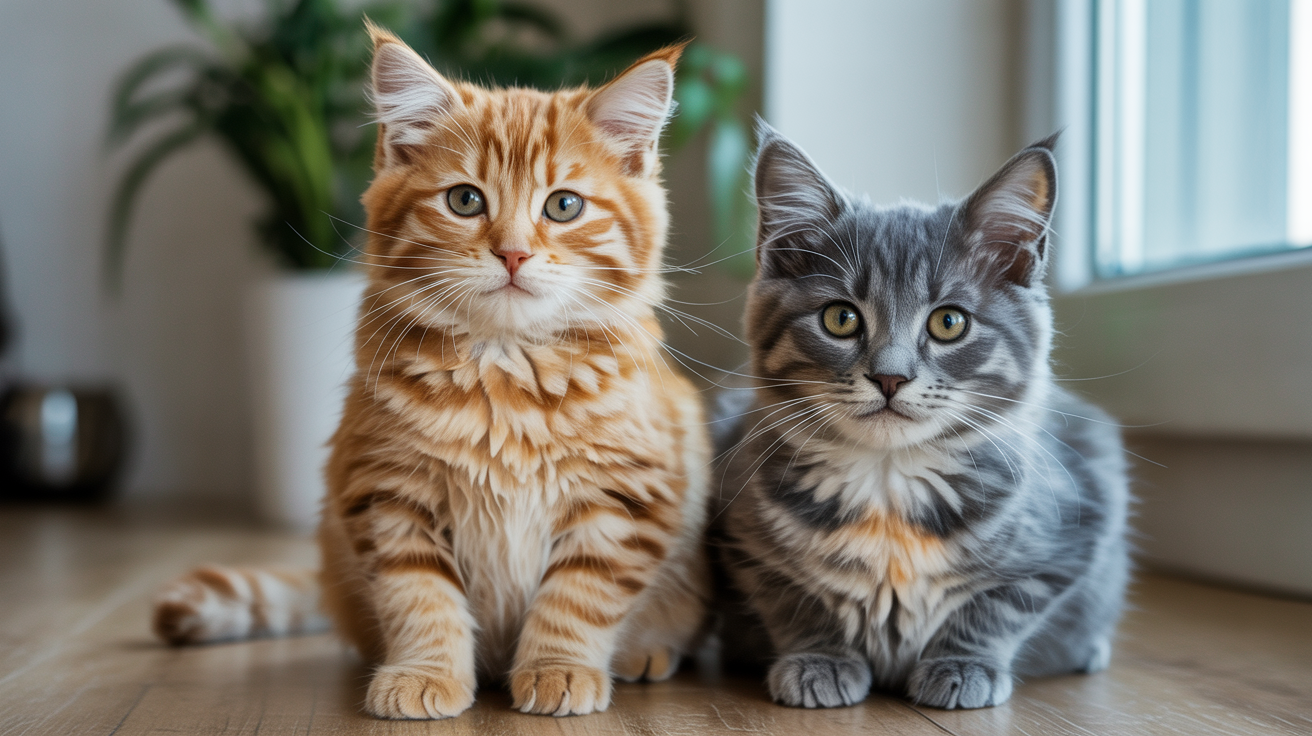
Your cat's body at eight weeks old is doing something completely different from what it does at three years old, and different again at thirteen. Those changes are not just size and speed. They affect how much protein your cat needs, how well they handle certain minerals, and even whether they feel hungry the same way they used to.
The short answer: kitten food fuels rapid growth, adult food maintains a stable body, and senior food often shifts focus toward digestibility and joint support. The timing of each switch matters, and getting it roughly right makes a real difference to long-term health.
What Kittens Actually Need
Kittens grow fast. In their first six months, they can triple or quadruple their body weight, building muscle, bone, and organ tissue all at once. That process burns through nutrients at a rate adult cats never match.
Kitten food is formulated around that demand. It is higher in protein and fat than adult food, and it contains elevated levels of certain nutrients like calcium, phosphorus, and the amino acid taurine. Taurine is worth flagging specifically because cats cannot make enough of it on their own, and a deficiency can lead to serious heart and eye problems. Quality kitten food includes it at appropriate levels.
The feeding schedule for a kitten looks different too. Young kittens (up to about four months) do best with three to four small meals a day. Their stomachs are tiny and they burn calories quickly. By four to six months, most kittens settle into two to three meals a day without issue.
One thing to skip: adult cat food for a growing kitten. It is not toxic, but it does not deliver what a kitten needs. A few months of the wrong formula during a phase of rapid development is worth avoiding.
When to Switch to Adult Cat Food
The general guideline is around twelve months for most domestic cats. At that point, the growth phase is largely complete and the body no longer needs the same calorie and nutrient density that kitten food provides.
Large breeds, like Maine Coons or Ragdolls, grow more slowly and may benefit from kitten food until closer to eighteen months to two years. Ask your vet if you have a large-breed cat; they can give you a more specific timeline based on your cat's size and condition.
The transition itself matters as much as the timing. Switching too fast can upset your cat's stomach, since the gut flora that process one type of food need time to adjust to a new one. A gradual transition over seven to ten days is the standard approach: start with mostly the old food and slowly increase the new food's proportion over that window.
If you notice loose stools, vomiting, or refusal to eat during a switch, slow the transition down further rather than pushing through. Some cats need two weeks or longer.
Feeding an Adult Cat
Adult cats, roughly one to seven years old, are generally the easiest life stage to manage from a nutrition standpoint. Their metabolism is stable, their nutritional requirements are well established, and they tend to be consistent eaters.
What adult cat food provides is balance without excess. Protein remains the foundation of a cat's diet since cats are obligate carnivores and process animal protein very efficiently. Fat levels are moderate. Calcium and phosphorus are present but not at the higher ratios found in kitten food, since the kidneys are handling mineral filtration in a fully mature body.
An adult cat feeding schedule typically means two meals a day for most cats, though some owners leave dry food available throughout the day (free feeding). Free feeding works fine for cats who self-regulate, but many cats do not. If your cat eats everything in the bowl the moment it appears, portion-controlled meals help avoid weight creep.
For portion guidance, the label on your cat's food is the starting point, adjusted by your cat's actual weight and activity level. Cats with access to the outdoors, or very playful indoor cats, burn more than the average. More sedentary cats need less. Your vet can help you set a realistic target if your cat is gaining or losing weight without obvious cause.
See how to figure out the right amount by weight and life stage for a more detailed look at portion sizing across each phase.
What Changes at the Senior Stage
Cats are typically considered senior around seven to ten years old, though some vets use eleven as the threshold for geriatric. Either way, the body changes in ways that feeding needs to account for.
Muscle mass tends to decrease with age, a process called sarcopenia. To counter that, senior cats often do better with higher protein levels than you might expect, not lower. This is the opposite of what many owners assume. The instinct to cut protein as a cat ages is not well supported by current evidence for healthy seniors; the kidneys need careful management if disease is already present, but for a healthy older cat, adequate protein helps maintain muscle.
Digestion also becomes less efficient. Older cats may absorb fat and certain vitamins less effectively, which is why some senior formulas are more digestible or include added antioxidants.
Kidney health is a genuine concern in older cats. Chronic kidney disease is common in senior and geriatric cats, and it requires dietary management that a standard food does not provide. If your vet diagnoses kidney disease, they will recommend a therapeutic kidney diet. This is not something to adjust on your own; follow your vet's specific guidance.
Joints, hydration, and dental health also become more relevant. Wet food becomes especially useful at this stage because it adds water to the diet, which supports kidney function and helps cats who have started drinking less. If your cat has been primarily on dry food, adding some wet food in the senior years is worth considering.
The question of whether to use a food labeled "senior" is genuinely debated. These formulas vary widely in what they actually change. Some are useful; others are barely different from adult food with different packaging. Reading the ingredient list and guaranteed analysis matters more than the label. Your vet is the best resource for deciding whether a specific senior food is appropriate for your individual cat.
Life Stage Comparison
| Life Stage | Age Range | Key Nutritional Focus | Typical Meal Frequency |
|---|---|---|---|
| Kitten | 0 to 12 months | High protein, high fat, elevated calcium and taurine | 3 to 4 meals/day (under 4 months), 2 to 3 meals/day (4 to 12 months) |
| Adult | 1 to 7 years | Balanced protein and fat, controlled minerals | 2 meals/day, or measured portions if free feeding |
| Senior | 7+ years | High digestibility, maintained protein, hydration support | 2 to 3 smaller meals/day can help |
Exact amounts depend on your cat's weight, activity level, and health status. Use the label as a starting point and adjust based on body condition.
Wet, Dry, or Both
The format of food matters across all life stages, not just in the senior years. Wet food contributes water to the diet and is often more appealing to cats with lower thirst drives. Dry food is more calorie-dense and easier to measure for portion control.
Many owners use a combination. There is no universal right answer. What matters is that your cat is eating a complete and balanced food appropriate for their life stage, at a quantity that keeps them at a healthy weight.
For a closer look at the trade-offs between formats, see wet vs. dry cat food and how to choose.
Frequently Asked Questions
Can I feed my adult cat kitten food occasionally?
A few bites will not cause harm, but kitten food is higher in calories and certain nutrients than adult cats need. Feeding it regularly to an adult cat can contribute to weight gain over time. Keep it occasional and not a habit.
My senior cat is losing weight. Should I just feed more?
Weight loss in an older cat often has an underlying cause: hyperthyroidism, kidney disease, dental pain, or other conditions. Feeding more is not the right first step. A vet visit to identify the cause is. Once you know what is driving the loss, your vet can guide the dietary response.
When exactly should I switch from kitten to adult food?
For most cats, around twelve months is the right window. If your cat is a large breed, closer to eighteen months to two years. There is some flexibility here; a week or two on either side of those marks is not a problem. The transition should still be gradual regardless of timing.
Do I need a food specifically labeled "senior"?
Not necessarily. Senior-labeled foods vary a lot in what they actually change. Some are well formulated for older cats; others are minimal reformulations. Focus on the ingredient list and nutritional analysis, and ask your vet what to look for based on your cat's health. If your cat has been diagnosed with a specific condition, a therapeutic diet may be more appropriate than any over-the-counter senior formula.
How do I know if my cat is at a healthy weight?
You should be able to feel your cat's ribs with light pressure but not see them. There should be a visible waist when viewed from above, and the belly should not sag. If you are unsure, your vet can assess your cat's body condition score and let you know if a weight adjustment is needed.