Behavior & Training
Enrichment and Play That Calms a Bored Cat
Learn practical cat enrichment ideas to entertain your indoor cat, ease bored cat behavior, and build a calmer, more contented companion at home.
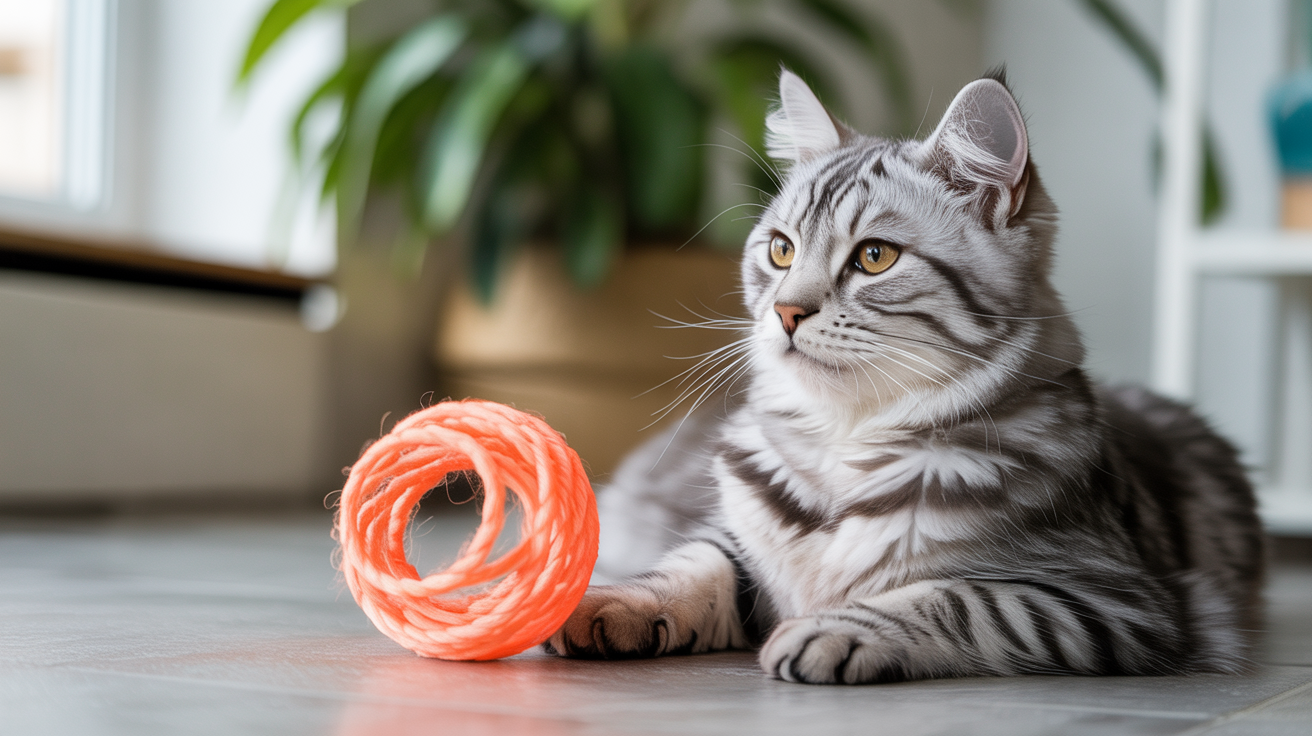
A bored cat is not a quiet cat. If yours is knocking things off counters, yowling at 3 a.m., or picking fights with furniture, chances are the problem is not bad behavior. It is unmet need. Cats are hunters by design, and indoor life does not hand them much to hunt. Enrichment is how you fill that gap.
This guide covers what bored cat behavior actually looks like, which types of enrichment work and why, and how to put together a low-effort routine your cat will actually use.
How to Tell Your Cat Is Bored
Boredom in cats does not look like a cat sitting quietly staring at a wall (though that happens too). More often it shows up as behavior that frustrates owners.
Common signs include:
- Excessive meowing or vocalizing, especially at night. If this is new or sudden, read more at why your cat meows at night and how to get sleep.
- Overgrooming, to the point of patchy or thinning fur.
- Redirected scratching on furniture, carpets, or door frames. (Scratching has other causes too -- see why cats scratch and how to redirect it to a post.)
- Destructive behavior: knocking objects off surfaces, chewing cords or plants.
- Attention-seeking that feels relentless, like pawing at your face or interrupting your work constantly.
- Overeating or food obsession out of nowhere.
- Sudden litter box avoidance. This one can also signal a health or stress issue, so if it comes on quickly, check litter box problems: why cats stop using it and consider a vet visit.
One important note: if these behaviors appear suddenly in a cat that was previously calm, a vet visit is worth scheduling before you assume boredom. Pain, illness, and anxiety can look identical to boredom from the outside.
The Four Types of Enrichment (and Why They All Matter)
"Enrichment" is a broad word. For practical purposes, it breaks down into four categories. A good indoor cat enrichment plan touches all of them, because each satisfies a different part of what a cat is wired to do.
Sensory Enrichment
This is anything that activates your cat's senses outside of play. Cats have an extraordinary sense of smell, reasonable hearing, and motion-triggered vision. Giving them things to sniff, watch, and listen to costs almost nothing.
- Place a bird feeder outside a window your cat can reach. Even an apartment windowsill works. A ledge or shelf next to the window turns it into a "cat TV" station.
- Rotate dried herbs your cat is safe to investigate. Catnip is the classic, but silvervine works on many cats that do not respond to catnip, and valerian is another option. Let your cat sniff and roll in them rather than eating large amounts.
- Play nature sounds or bird videos through a speaker or tablet. Some cats ignore these entirely; others are genuinely captivated.
Foraging and Food Enrichment
In the wild, cats spend a significant portion of their day hunting for food. Free-feeding from a bowl gives them calories with no effort. That gap in effort is part of what leaves indoor cats understimulated.
Simple swaps make a real difference:
- Use a puzzle feeder or slow feeder bowl for at least one meal a day. These range from basic divided trays to complex multi-step toys, so you can start simple and increase difficulty as your cat gets the hang of it.
- Hide small portions of dry food in muffin tins, under cups, or inside crinkle balls around the house. This is called scatter feeding and it activates your cat's nose as well as their problem-solving instinct.
- Licki mats with a thin layer of plain wet food give cats focused, repetitive licking behavior, which many find calming in the same way that chewing is calming for dogs.
Play Enrichment
This is the most direct way to satisfy hunting instinct. The goal is to mimic prey behavior: something moves erratically, your cat stalks and catches it, the chase ends.
A few things make play more effective:
- Use a wand or fishing-rod toy rather than your hands. Hands as toys teaches your cat that biting and scratching humans is normal, which becomes a problem as they get older.
- Move the toy like real prey. Drag it across the floor in a low irregular path, let it disappear under a blanket, make it hesitate and then dart. Constant waving in the air tends to bore cats quickly.
- End play sessions with a catch. Let your cat pin the toy and "kill" it before you put it away. Cats that are interrupted mid-hunt stay aroused and frustrated. A proper ending to the session helps them settle.
- Fifteen minutes of focused wand play is worth more than hours of ignored toys sitting on the floor.
Solo toys, like crinkle balls, small mice, and jingly springs, are useful for cats to bat around on their own, but they do not replace interactive play. Most cats benefit from at least one structured play session daily, and two is better for high-energy cats.
Social and Environmental Enrichment
Some cats are more social than owners expect, and they can get bored with their physical environment even when they have plenty of toys.
- Vertical space matters. Cats feel safer and more stimulated when they can get off the ground. Cat trees, window perches, and cleared-off shelving all count.
- Cardboard boxes and paper bags (handles removed) are free and surprisingly useful. New smells from deliveries count as sensory enrichment too.
- If your cat tolerates it, training sessions using a clicker and small treats are mentally taxing in the best way. Cats can learn to touch a target stick, sit on cue, or come when called. Five minutes of this tires many cats out more than thirty minutes of solo play.
- For social cats, a second cat can transform the energy of the house. That said, introductions done poorly create more stress than they solve. If you are considering adding a second cat, do it with a proper slow introduction over several weeks.
DIY Enrichment Ideas That Actually Get Used
You do not need to spend a lot to enrich your cat's environment. Some of the highest-engagement setups are free or near-free.
| Item | What it does | Cost |
|---|---|---|
| Brown paper bags | Crinkling, hiding, exploring | Free |
| Muffin tin + tennis balls | Foraging puzzle | $0--5 |
| Cardboard box with holes cut in it | Bat-at toys through holes, hiding | Free |
| Empty toilet paper rolls | Stuff with treats, fold ends closed | Free |
| Dried catnip or silvervine | Sensory stimulation | $3--8 |
| Window bird feeder | Visual enrichment | $10--20 |
One thing to keep in mind: novelty matters. A toy that your cat loved last week may be completely ignored this week. Rotate enrichment items in and out rather than leaving everything available all at once. Put a selection away for two weeks, then swap it back in. It will feel new again.
Building a Simple Enrichment Routine
The biggest reason cat owners fall off enrichment is that it feels like another daily chore. The goal is a routine that fits naturally into what you already do, not one that requires sustained effort to maintain.
A basic daily structure might look like this:
Morning: Scatter a portion of breakfast kibble on a licki mat or in a muffin tin puzzle. Takes thirty seconds to set up.
Midday (if you are home): Rotate one toy from storage. Leave out a paper bag or box with a fresh catnip sprinkle inside.
Evening: One 10-15 minute wand play session before you sit down for the night. End with a catch, then put the wand away.
Weekly: Swap out the enrichment items in rotation. Move a cat tree to a different room if possible. Add a new cardboard box.
That is it. The play session is the part that requires your attention. The rest is mostly set-and-forget.
Frequently Asked Questions
How much playtime does an indoor cat actually need? Most adult cats benefit from at least one 10-15 minute session of interactive play per day, with two sessions being better for younger or more active cats. Kittens need more. The key is quality of play, not just duration. A short session where your cat is actively hunting and catching is more valuable than a long one where they are half-interested.
My cat ignores every toy I buy. What am I doing wrong? A few things could be happening. First, too many toys left out at once causes toy saturation. Put most away and rotate. Second, try moving the toy differently. Many cats disengage from wands that are waved in the air. Try dragging the toy low along the floor, behind furniture, under a blanket. Third, some cats prefer certain prey types. Watch whether your cat is more interested in feathers, fabric, or small crinkly objects, and lean into whatever gets a reaction.
Is bored cat behavior ever a sign of a health problem? It can be. Sudden behavior changes, especially increased vocalization, changes in litter box habits, overgrooming, or apparent restlessness, can signal pain, hyperthyroidism, anxiety, or other medical conditions. If the behavior is new and came on quickly, it is worth a vet visit to rule out a physical cause before treating it as a behavioral issue.
Can enrichment help an aggressive cat? Often yes, particularly when the aggression is redirected. A cat that attacks ankles or ambushes the other household pets may be acting out of boredom and excess predatory energy. Regular play sessions that give that energy an appropriate outlet can reduce these incidents noticeably. That said, if aggression is severe or unpredictable, talking to a veterinary behaviorist is a reasonable next step.
How do I know if my enrichment routine is working? You will see less of the problem behaviors that led you here. Your cat may seem calmer and more settled after play. They may sleep more deeply. If destructive or attention-seeking behavior persists after a few weeks of consistent enrichment, it is worth revisiting whether the routine covers all four enrichment types or whether there is an underlying issue worth exploring with a vet.