Nutrition & Feeding
How often you should feed an adult cat for a healthy routine
Learn how often to feed a cat, two meals vs three vs free feeding, and how timing shifts across life stages, with a sample schedule table.
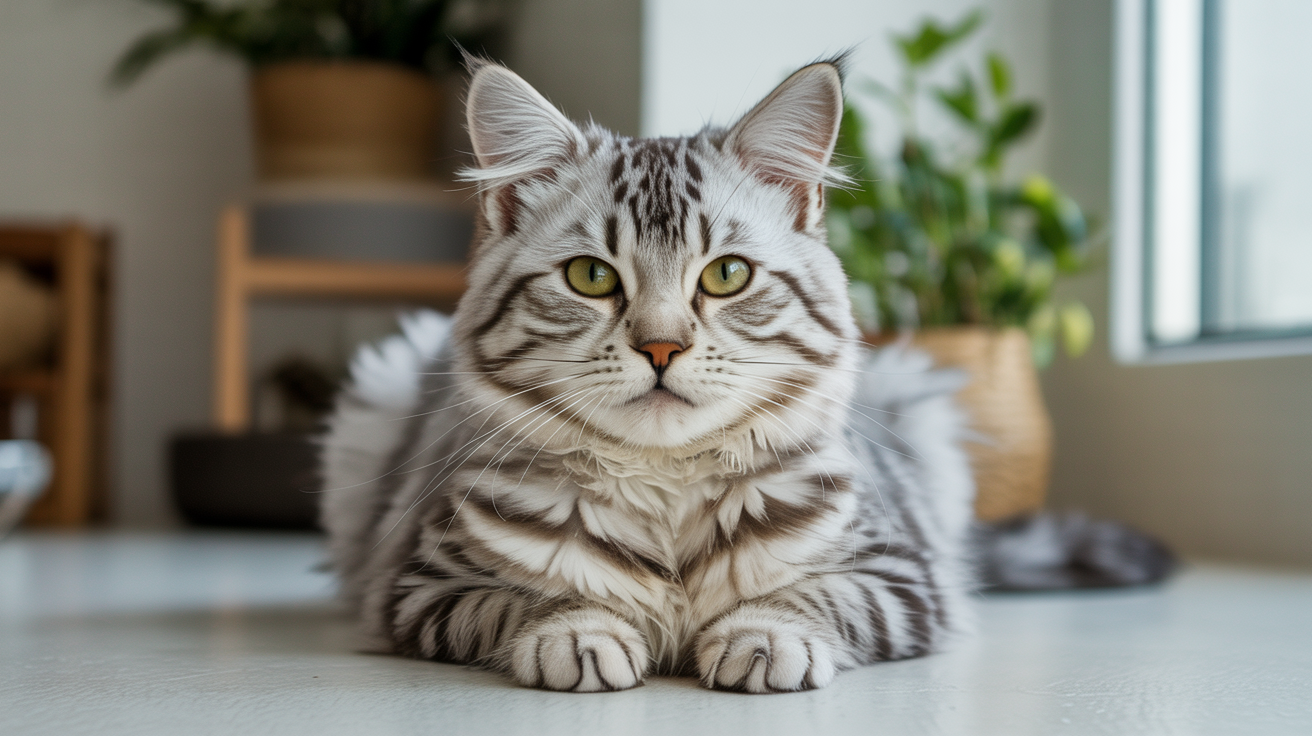
If you already have portion sizes figured out, the next question is almost always about timing. How often to feed a cat matters just as much as how much, and it's the part most guides skip past. Get the rhythm wrong and you end up with a cat who yowls at 5 a.m., grazes all day out of boredom, or guards the food bowl from a housemate. Get it right and mealtimes become one of the most predictable parts of your day.
This isn't about a single magic number of meals. It's about picking a pattern that fits your schedule, your cat's age, and your household, then sticking to it long enough for your cat's body and behavior to settle into it.
Two meals a day, or three?
For most healthy adult cats, two meals a day spaced roughly 8 to 12 hours apart is the standard recommendation. Cats have small stomachs built for frequent, prey-sized meals in the wild, but two meals a day is a reasonable domestic compromise: it keeps hunger more level than one large meal without requiring you to be home five times a day.
Three meals a day works fine too, and some cats do better on it: cats prone to vomiting bile on an empty stomach benefit from a shorter overnight gap, cats who inhale their food and throw it back up often do better with a smaller third portion, and it suits households where someone is naturally home midday anyway.
There's no strong case for four or more meals unless a vet has recommended it for a specific medical reason, like managing diabetes. More feedings mean more chances for portions to creep up and more chances for a cat to learn that pestering you gets rewarded with food.
The honest answer is that consistency matters more than the exact number. A cat fed at 7 a.m. and 6 p.m. every day, without fail, tends to settle better than a cat fed three times a day at random hours.
Does free feeding work for an indoor cat?
Free feeding, where dry food sits out all day and the cat grazes at will, used to be the default advice for indoor cats. It's fallen out of favor for reasons worth understanding rather than just accepting.
Free-fed cats lose the natural appetite cues that come with anticipating a meal, and many simply eat more than they need out of boredom, especially with limited exercise. Weight gain creeps up slowly enough that owners don't notice until a vet visit flags it. Free feeding also makes it harder to notice a drop in appetite, often the first sign something is wrong; if the bowl is always full, you have no way to tell whether your cat ate an ounce or a full portion today.
Scheduled meals fix both problems. You control the total amount, and you get a daily read on your cat's appetite just by watching how eagerly they approach the bowl. If your household still needs the portion sizing worked out by weight and life stage, sort that out first, since timing only works well once the amount is already right.
The one case where free feeding of dry food still makes sense is a multi-cat home where every cat naturally self-regulates and none are overweight, but even then, most vets now recommend measured portions over a bowl that's poured freely.
Best time of day to feed
There's no universally correct clock time, but two principles help. Anchor meals to your own routine, like right after you wake up and around dinner, and avoid feeding right before bed if your cat tends to want play afterward. A gap of at least 8 hours between the evening and morning meal keeps the overnight stretch reasonable without leaving your cat hungry enough to wake you up.
How the schedule should shift by life stage
A feeding schedule isn't static across a cat's life. Kittens, adults, and seniors need different meal counts for different reasons.
| Life stage | Typical meals per day | Why |
|---|---|---|
| Kittens (under 6 months) | 3 to 4 | Small stomachs, high energy needs, rapid growth |
| Young adults (1 to 7 years) | 2 to 3 | Stable metabolism, weight management is the priority |
| Senior cats (7-plus years) | 2 to 3, sometimes smaller and more frequent | Slower digestion, appetite changes, some dental sensitivity |
Kittens need more frequent meals because they can't eat enough in one sitting to cover their energy needs; if you're still working through that stage, the kitten feeding guide covers portion sizes alongside meal count. As a cat matures into adulthood, most owners can settle into two meals a day without much fuss.
Senior cats sometimes do better back on three smaller meals, not because they need more total food but because reduced appetite at a single sitting and dental discomfort can make a large meal harder to get through. The shift from adult to senior feeding isn't about a hard birthday cutoff; it's driven by weight, activity level, and appetite changes your vet can help you track. For a fuller picture of what changes and when, see how feeding needs shift across life stages.
Why consistent timing matters more than it seems
Two things improve once meal timing is consistent: weight control and litter box predictability.
A cat who eats at the same times each day develops a more stable hunger rhythm, which makes it easier for you to tell real hunger apart from attention-seeking behavior. Random feeding times train a cat to beg constantly, since it never learns when the next meal is coming and treats every moment as a possible opportunity.
Cats typically need to eliminate within a few hours of eating, so consistent mealtimes make litter box use more predictable too. A sudden change in that pattern, like straining, going more or less often, or missing the box, is far easier to notice against a stable baseline than against a schedule that shifts daily.
Moving a free-fed cat to a schedule
Switching a free-fed cat over to scheduled meals is one of the more common feeding changes owners make, and it usually comes with a rough few days of protest meowing. That's normal, and a gradual approach makes it easier on everyone.
Start by picking up the free-choice bowl for a few hours before the first scheduled meal, rather than removing it cold turkey. Over a week or two, stretch that gap until you land on two or three set mealtimes, keeping the meal times themselves rock solid from day one.
Expect vocal protest in the days right after the free-choice bowl disappears for good. Don't cave and refill it early; that teaches your cat that yowling works, and the behavior gets more persistent, not less. A short bout of play right before the scheduled mealtime helps redirect that energy and mimics a hunt-then-eat pattern. If your cat is used to grazing all day, expect the first couple of scheduled meals to disappear fast. That's a sign the transition is working, not a sign you're underfeeding.
Preventing food guarding in multi-cat households
Scheduled feeding solves one problem and can create another: it concentrates all the food-related tension into a couple of short windows a day, exactly when resource guarding between cats tends to show up.
A few adjustments help. Feed cats in separate locations, not side by side, even if they generally get along; seeing another cat's bowl is often enough to trigger guarding on its own. Use separate bowls, always, with enough of them that no cat has to wait for a shared spot. If one cat consistently muscles in on another's plate, feed it in a different room or on an elevated surface a nervous cat can't reach. Watch too for a cat who eats fast while glancing around rather than eating calmly; that's often the tell that guarding tension exists without an obvious confrontation.
None of this requires elaborate equipment. Two rooms, or two ends of the same room with furniture between the bowls, is often enough to defuse the tension.
Frequently Asked Questions
Is it bad to feed a cat only once a day?
For most adult cats, once-a-day feeding isn't ideal. It can trigger vomiting of bile on an empty stomach after a long overnight fast, and it forces the cat to eat one very large meal, which some cats don't handle well. Two meals is a better default unless a vet has recommended otherwise.
Can I switch my cat's feeding schedule suddenly?
Shifting the clock time of meals goes fairly quickly, since cats adapt within a few days. What doesn't go smoothly is switching abruptly from free feeding to scheduled meals; that change goes better spread over one to two weeks.
What if my cat still seems hungry between meals?
Double check the total daily amount against a portion guide rather than assuming more food is the answer, since begging often has nothing to do with actual hunger. If the amount is already right for weight and life stage, a midday play session or a food puzzle toy can fill the gap without adding calories.
Do senior cats need more frequent meals?
Not necessarily more food, but sometimes more frequent, smaller meals. Reduced appetite at any single sitting and dental discomfort are common reasons a senior cat does better on three smaller meals than two larger ones. A noticeable drop in a senior cat's appetite is worth mentioning to a vet, since it can also signal an underlying health issue.
Should I feed my cat before or after I eat?
Either works, as long as the timing stays consistent day to day. What matters far more than the order is that the clock time stays roughly the same every day.