Kittens
Litter Training a Kitten, Step by Step
Kitten litter training is usually quick when you set things up right. Here's exactly what to do, what to buy, and how to handle accidents.
Most kittens learn to use a litter box within a few days. Cats have a natural instinct to dig and cover waste, so your job is less about teaching and more about making the right spot obvious. Get the setup right from day one and accidents are usually rare.
Choosing the right litter box
Size matters more than most new owners expect. A box that's too deep or too tall is hard for an eight-week-old kitten to climb into. Start with a low-sided tray or a standard plastic box with one side trimmed down so the entry point is no more than 3–4 cm off the ground. Once your kitten is around four to five months old and more agile, you can move to a deeper box if you want.
The general rule for number of boxes is one per cat, plus one extra. For a single kitten, two boxes in different spots works well. This matters because kittens explore and play in bursts, and they don't always want to run back to the same corner when nature calls.
Covered boxes look tidy but trap odors inside, which many cats find off-putting. Honestly, most cats tolerate uncovered boxes better, especially as kittens who are still getting used to the whole process.
Picking a litter
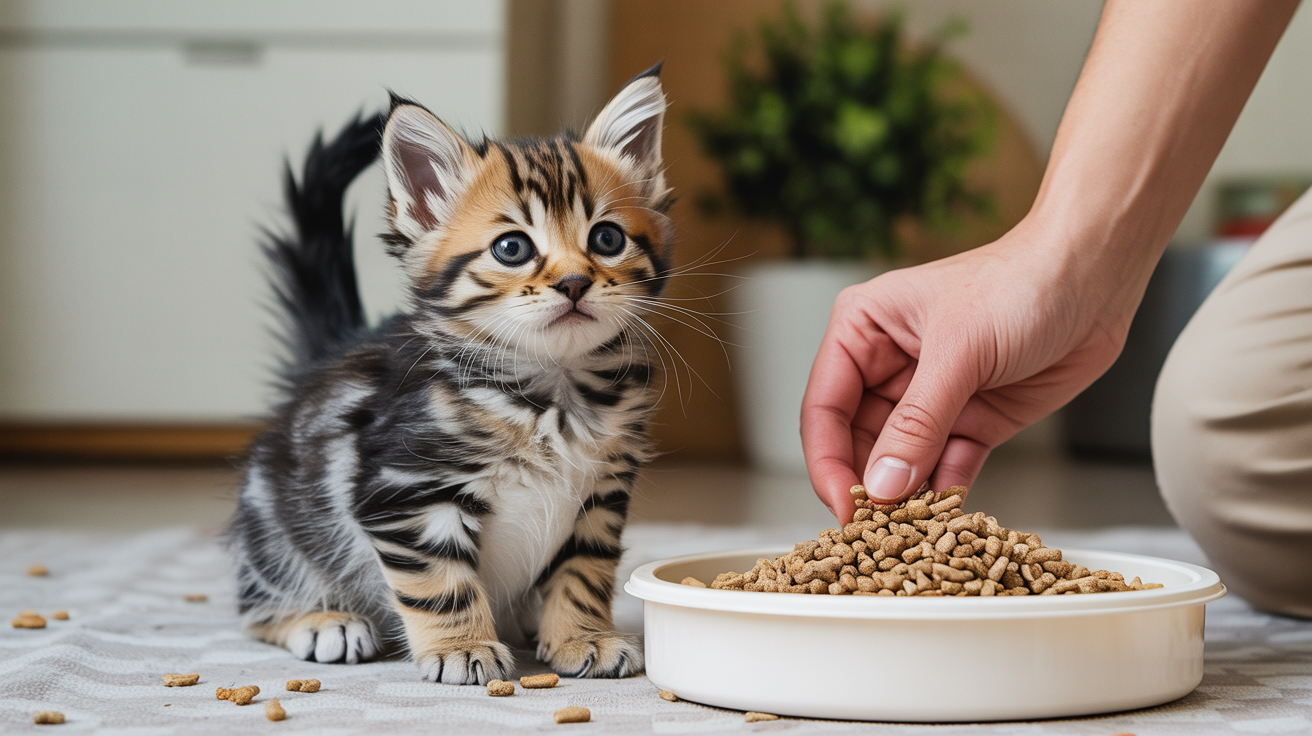
Go with an unscented, clumping clay litter to start. Kittens occasionally taste-test their litter out of curiosity, so avoid anything with heavy fragrance additives. Fine-grained litters (similar to sand) tend to be more appealing than coarse pellets for young cats. A depth of about 5–7 cm gives them enough to dig and cover without flinging litter over the sides constantly.
Crystal and pine litters work well for adult cats but can confuse kittens who've grown up on a different substrate. If you want to switch later, do it gradually by blending the new litter in over two weeks.
Setting up the box and introducing your kitten
Place the box in a quiet, low-traffic area. Not next to the food bowls (cats don't like that), not in a dark closet they'd have to work to reach. A bathroom corner or a laundry room with the door propped open is typical. If you have a multi-level home, put a box on each floor.
When your kitten first arrives home, take them directly to the litter box before exploring the rest of the space. Let them sniff it. If they step in, great. If not, gently place their front paws inside for a second, then let them leave on their own terms. Don't force it. You can read more about those first hours in our guide to your kitten's first week at home.
After meals, playtime, and naps are the highest-risk moments for accidents. Those are good times to carry your kitten over to the box and set them in. They may or may not go, but you're reinforcing where the spot is.
What to do after an accident
Accidents happen, particularly in the first week or two. The response matters.
- Clean the spot immediately with an enzyme-based cleaner. Regular household cleaners mask the smell to you but not to the kitten, and they'll return to the same spot.
- Don't scold or rub the kitten's nose in it. This doesn't teach anything useful and will just make them anxious around you.
- If accidents keep happening in one particular spot, put a litter box there temporarily. Sometimes a kitten is telling you they need a box closer to where they spend their time.
- Check whether the existing box is being kept clean enough. Kittens are more particular than adult cats. Scoop at least once a day, and do a full swap of the litter every one to two weeks.
If a kitten who was using the box reliably suddenly starts going elsewhere, that's worth paying attention to. Urinary tract infections and other health issues can cause this, and a vet visit is the right move rather than assuming it's a behavior problem.
A quick-reference setup checklist
| Item | What to get | Notes |
|---|---|---|
| Litter box | Low-sided tray or standard box | Entry height ≤ 4 cm for young kittens |
| Number of boxes | 1 per cat + 1 extra | 2 boxes for a single kitten |
| Litter type | Unscented clumping clay | Fine-grained preferred; 5–7 cm deep |
| Location | Quiet, accessible, away from food | One box per floor in multi-level homes |
| Cleaning frequency | Scoop daily; full change every 1–2 weeks | More often if kitten refuses to use a dirty box |
| Enzyme cleaner | For accidents | Breaks down odor so kitten won't revisit the spot |
Troubleshooting common problems
My kitten uses the box sometimes but misses the edge
This is almost always a box size or litter depth issue. Move to a larger box or add a litter mat around the edges to catch scatter. Some kittens dig enthusiastically and need higher sides once they're big enough to get in easily.
My kitten goes right next to the box, not in it
Try reducing the litter depth slightly (some cats prefer a shallower layer) or switch to a different litter texture. Also check whether the box has been moved or if something startled the kitten near it recently. A negative experience near the box can make them reluctant to go all the way in.
We have two kittens and one is bullying the other away from the box
Add a third box in a completely different part of the home. This is one of the most common multi-cat litter problems and extra boxes nearly always solve it. You can find more on kitten dynamics in our piece on the kitten socialization window explained.
My kitten stopped using the box after a vet visit or a stressful event
Stress can disrupt litter habits temporarily. Confine the kitten to a smaller space with the box close by for a day or two so they're re-establishing the routine without too many variables. If the problem persists more than a few days, check with your vet to rule out anything physical.
How long does litter training actually take?
Most kittens are reliably using the box within one to two weeks. Some get it in two days. If you're past three weeks and still having frequent accidents despite a clean box and good placement, a vet visit makes sense to check for health issues.
Frequently asked questions
At what age can a kitten start using a litter box?
Kittens start eliminating independently at around three to four weeks old, which is also when mother cats start introducing them to a litter area. By the time most kittens go to new homes at eight to twelve weeks, they've already had some exposure. You're mainly reinforcing the habit, not starting from scratch.
Should I use a covered or open litter box?
Open boxes are generally easier for kittens to learn on. Covered boxes trap odors and can feel confining to a young cat who isn't sure what's happening yet. If you want a covered box long-term, start open and transition once the kitten is consistently using the box.
What kind of litter is safest for young kittens?
Unscented, clumping clay is the standard recommendation. Avoid silica gel crystals for very young kittens (under 12 weeks) as some sources suggest the texture can be harder on tender paws, and the fine dust in cheaper clumping litters can be irritating. Pellet-style litters often get rejected by kittens who are used to soft, sandy substrates.
Can I train a kitten to use a toilet?
You can, though it takes patience and a dedicated training kit. The bigger issue is that toilet training removes your ability to monitor your cat's waste, which is one of the best early-warning signs for health problems. Many vets advise against it for that reason alone.
What if my kitten is biting and scratching instead of focusing on litter training?
Those are separate issues but both normal for this age. If rough play is making the whole introduction process harder, our guide on how to stop kitten biting and scratching covers the redirect techniques that work best.
This article is general guidance for healthy kittens; it is not veterinary advice — if you have concerns about your kitten's health or behavior, consult a licensed vet.