Kittens
A Kitten Vaccination and Vet Visit Schedule
A plain-language guide to kitten vaccinations and vet visits, covering core shots, timing, outdoor readiness, and what to expect at each appointment.
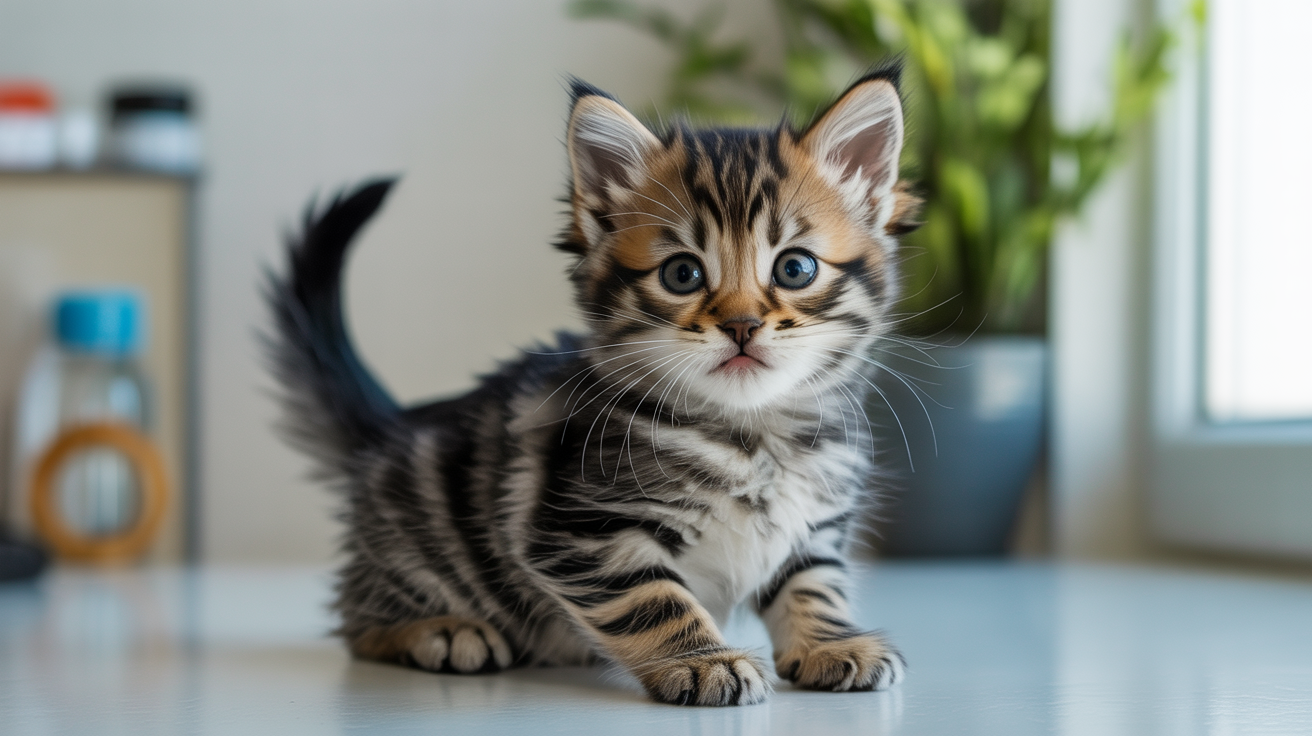
Your kitten needs a short series of vaccinations spread across the first few months of life, plus a vet checkup at each visit. The process is straightforward: core vaccines start around 6 to 8 weeks of age and run in booster rounds every few weeks until the kitten is about 16 weeks old. After that initial series wraps up, your vet will move to annual or triennial boosters depending on the vaccine and your cat's lifestyle.
The exact timing, the specific products used, and any non-core vaccines your kitten needs depend on where you live, the kitten's history, and what your vet recommends. This guide gives you the framework so you know what to expect and why each visit matters.
Why Kittens Need a Series of Shots, Not Just One
A single vaccine doesn't reliably protect a kitten the way it would an adult cat. The reason comes down to maternal antibodies. Kittens receive antibodies through their mother's colostrum (the first milk) in the days after birth. Those antibodies offer early protection but also partially block vaccines from working.
As maternal antibody levels drop over the first weeks of life, vaccines become more effective. The problem is that the drop happens at different rates in different kittens, so vets give boosters at regular intervals to catch the kitten at the right window. If only one dose were given, there's a real chance it landed while maternal antibodies were still high enough to interfere, leaving the kitten unprotected without anyone knowing.
This is why missing or spacing out booster appointments matters. The series is designed as a system, not individual one-off events.
Core Vaccines Every Kitten Receives
Vets classify vaccines as core (recommended for all cats) or non-core (recommended based on risk factors). Your kitten will receive both, but core vaccines are the foundation.
FVRCP covers three diseases in one shot:
- Feline viral rhinotracheitis (herpesvirus) -- a major cause of respiratory illness
- Calicivirus -- another respiratory and oral disease pathogen
- Panleukopenia -- a serious and often fatal gastrointestinal virus, sometimes called feline distemper
This combination vaccine is sometimes called the "distemper combo" and is given multiple times during the kitten series, then boosted periodically as an adult.
Rabies is required by law in most regions and is always a core vaccine. The timing of the first rabies shot and how often it's boostered afterward varies by the product used and local regulations. Your vet will know what applies in your area.
Non-Core Vaccines to Discuss at Your First Appointment
Your vet will ask about your kitten's likely lifestyle before recommending non-core vaccines. Common ones include:
Feline leukemia virus (FeLV) is often recommended for kittens who will spend any time outdoors or in contact with cats of unknown FeLV status. The virus spreads through close contact and is a leading cause of illness-related death in cats. Many vets recommend it for all kittens and then reassess once the cat's lifestyle is established.
Bordetella and Chlamydia vaccines exist and may be suggested for kittens going into a shelter, cattery, or multi-cat household where exposure risk is higher.
Talk through your kitten's expected environment at that first visit. If you're not sure yet whether your cat will go outside, say so -- your vet can help you decide.
What Happens at Each Vet Visit
The vaccination schedule gives you a built-in reason to have the vet examine your kitten several times before they reach adulthood. These appointments are more than just shots.
The first visit (6 to 8 weeks): This is usually the starting point for kittens coming from a breeder or rescue. Your vet will do a full physical -- weight, heart, lungs, eyes, ears, mouth, abdomen. They'll check for parasites, discuss deworming if indicated, and start the FVRCP series. If the kitten hasn't been tested for FeLV and FIV (feline immunodeficiency virus), this is typically when that happens. Bring any records you have from the breeder or rescue.
If you've just brought a kitten home, reading through your kitten's first week at home beforehand can help you prepare questions for that appointment.
Follow-up visits at 10 to 12 weeks and 14 to 16 weeks: These continue the FVRCP booster series and typically add the rabies vaccine at one of these appointments. Your vet may also address spay or neuter timing at these visits.
The spay/neuter appointment: Most vets recommend spaying or neutering around 5 to 6 months, though some shelters do it earlier. This is its own appointment with pre-op bloodwork and a follow-up, not part of the vaccine series -- but it usually falls in the same window.
One-year checkup: After the kitten series wraps up, your cat comes back around 12 months for boosters and a wellness exam. This transitions them into an adult cat health schedule.
A Practical Vaccine Visit Checklist
Bring these things to each appointment:
- Any records from the breeder, rescue, or previous vet
- The kitten's food (name and type) so the vet can assess nutrition
- A list of questions you've been saving up
- A secure carrier -- line it with a worn shirt that smells like home to reduce stress
- Your insurance information if you have pet insurance
Ask at each visit:
- Are we on track with the schedule?
- Should we add any non-core vaccines based on our lifestyle?
- What signs should I watch for after today's shots?
- When is the next appointment?
Post-vaccine reactions are usually mild. A kitten may be a little tired or sore at the injection site for 24 to 48 hours. If you notice swelling that persists, hives, vomiting, difficulty breathing, or significant lethargy, contact your vet the same day.
When Can a Kitten Go Outside?
The short answer: after the initial vaccine series is complete, which is generally around 16 weeks. Until the full FVRCP series and rabies vaccine are done, your kitten's immune protection against serious diseases is still being built.
Outdoor access also carries risks beyond disease -- traffic, predators, fights with other cats (which spread FeLV and FIV), and parasites. Many vets recommend waiting until the kitten is spayed or neutered as well, which removes the motivation to roam and reduces injury risk from cat fights.
When you do start introducing outdoor time, supervised outings are a lower-risk way to begin. A catio, a leash walk, or time in a fenced yard lets the cat experience the outdoors while you keep control of the exposure.
The socialization window is a separate but related consideration. Kittens have a critical period for learning that new things are safe, and it closes around 9 to 14 weeks. You can read more about how that window works in the kitten socialization window explained. The point here is that introducing outdoor sights and sounds before full vaccination is possible -- you just want to avoid direct contact with unknown cats or contaminated soil until the series is done.
Training basics like litter training a kitten step by step tend to come naturally during the same early weeks, so the first few months are a busy period on multiple fronts.
Frequently Asked Questions
My kitten already had some shots at the rescue. Do we start over?
Not necessarily. Bring whatever records you have to the first vet visit. If the timing and products used are documented, your vet can usually pick up from where the series left off rather than starting from scratch. Incomplete records sometimes mean restarting to be safe, but your vet will assess that.
What if I miss a booster appointment?
Contact your vet as soon as you realize the appointment was missed. Depending on how long it's been and where the kitten is in the series, you may be able to continue without restarting. Don't skip or delay boosters without talking to the vet first -- longer gaps can leave the kitten in a partially protected window.
Can vaccinations make my kitten sick?
Mild tiredness and temporary soreness at the injection site are normal and usually resolve within a day or two. True illness from a vaccine is rare. The diseases vaccines protect against are far more dangerous than the small post-shot reaction most kittens have. If anything seems more than mild, call your vet.
Does an indoor cat still need vaccines?
Core vaccines are generally recommended for all cats, indoor or not. Indoor cats can be exposed to pathogens on clothing, through a screen door, or during a vet visit. Rabies vaccination is also required by law in most places regardless of indoor status. Your vet may scale back certain non-core vaccines for a strictly indoor cat, but that's a conversation to have with them, not a decision to make on your own.
How long does vaccine immunity last?
It varies by vaccine. FVRCP is typically boostered one year after the kitten series ends, then every three years for adult cats, depending on the product. Rabies may be annual or triennial depending on the formulation and local law. Your vet will track this and send reminders -- keeping contact information updated with the clinic makes that system work.